


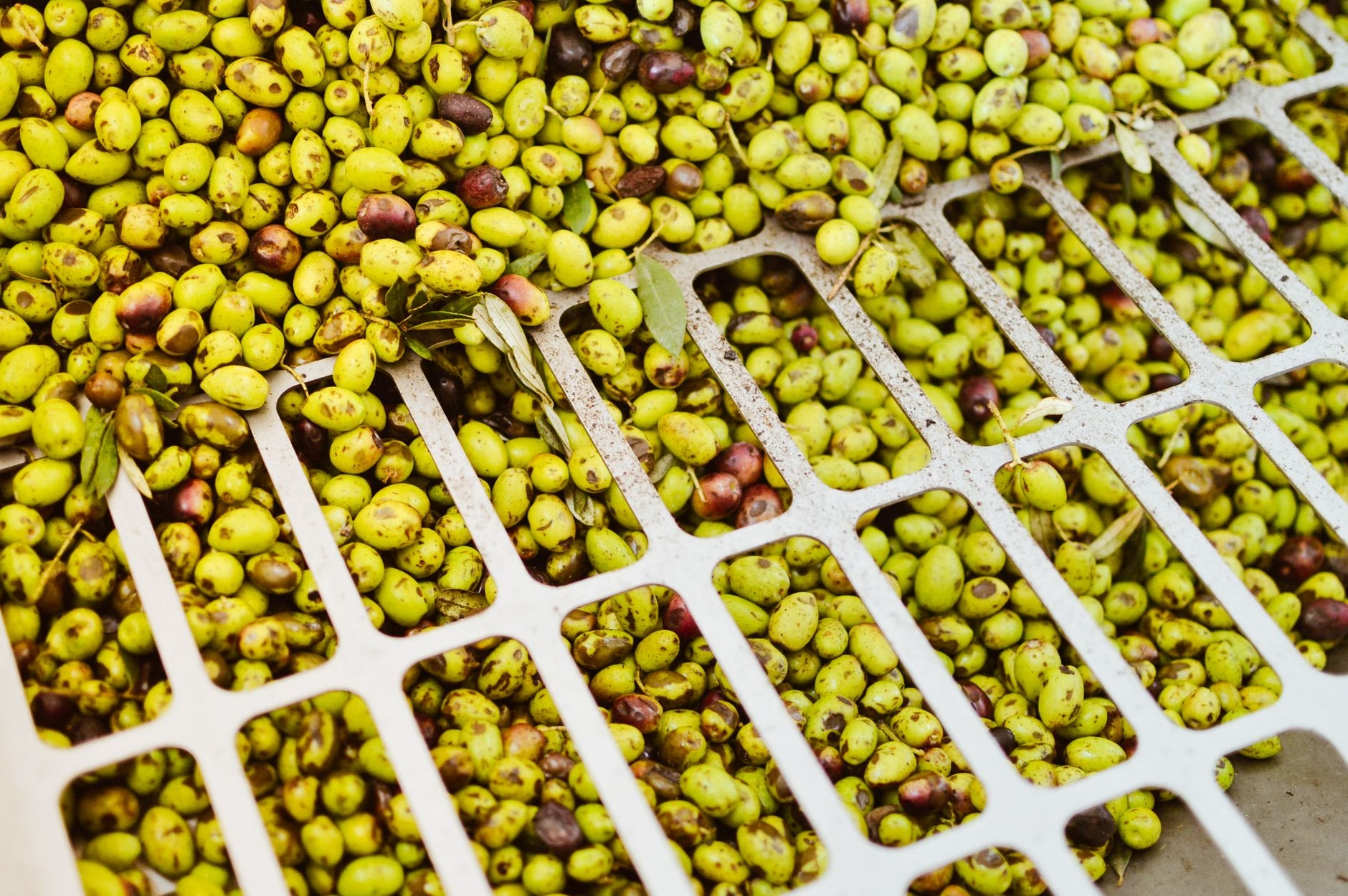
Shares of Spain’s Deoleo, recognized as the world’s foremost olive oil bottler and marketer, experienced a notable increase in value recently. The company’s stock advanced by nearly 16% as an escalating competition for its acquisition captured the attention of market observers. This development underscores the strategic importance of the olive oil sector and the significant interest major players hold in consolidating their positions within it.
Understanding Corporate Takeovers
A corporate takeover involves one company acquiring control of another. These events can be friendly, where the target company’s board agrees to the acquisition, or hostile, where the acquiring company attempts to buy a controlling stake against the wishes of the target’s management. A takeover battle, as observed with Deoleo, signifies a situation where multiple entities or groups are vying for control, often leading to increased bids and heightened market speculation. Such battles are typically driven by strategic objectives, including market share expansion, access to new technologies or distribution networks, cost synergies, or the elimination of competition.
For shareholders of the target company, a takeover battle can be highly beneficial. The competition among bidders often drives up the offer price, leading to substantial gains for investors. The surge in Deoleo’s share price directly reflects this dynamic, as investors anticipate a premium payout for their holdings. However, these situations also introduce uncertainty regarding the company’s future direction, management, and operational strategies.
The Strategic Importance of Olive Oil
The global olive oil market is a significant segment of the food industry, characterized by its rich history, cultural importance, and growing consumer demand for healthy eating options. Olive oil is not merely a cooking ingredient; it is a staple in many cuisines worldwide and is increasingly valued for its health benefits, including its role in heart health and antioxidant properties. This has led to a steady increase in its consumption across diverse markets, from traditional Mediterranean regions to emerging economies.
The industry faces unique challenges, including climate variability affecting olive harvests, fluctuating commodity prices, and the need for stringent quality control to combat fraud and mislabeling. Despite these hurdles, the market remains attractive due to its consistent demand and premium product positioning. Companies that can effectively manage supply chains, ensure product quality, and build strong brands are poised for long-term success.
Deoleo’s Prominent Market Position
As the world’s largest olive oil bottler and marketer, Deoleo holds a pivotal position within this complex global industry. The company’s extensive operations span from sourcing raw olive oil to bottling, distributing, and marketing various well-known brands across numerous countries. Its scale provides significant advantages in terms of purchasing power, logistical efficiency, and brand recognition. Control over such a large entity offers substantial influence over supply chains, pricing strategies, and market trends.
An acquisition of Deoleo would therefore represent a major shift in the competitive landscape of the olive oil sector. It could lead to a significant consolidation of market power, potentially impacting smaller producers, distributors, and ultimately, consumers. The company’s vast network and established brands make it an exceptionally attractive target for any entity looking to expand its footprint or gain a dominant position in the global olive oil trade.
Dynamics of a Bidding War
A bidding war typically unfolds as rival parties submit progressively higher offers to acquire a company. Each new bid aims to outmatch previous ones, enticing shareholders to accept their proposal. This competitive environment often involves strategic maneuvers, such as forming alliances, securing financing, and engaging in public relations campaigns to sway investor sentiment. The intensity of such a battle can significantly elevate the target company’s valuation beyond initial expectations.
The recent surge in Deoleo’s stock price is a direct consequence of this intensifying competition. As more bidders enter the fray or existing bidders raise their offers, the perceived value of the company increases, driving up its share price. This dynamic creates a lucrative opportunity for current shareholders, but also places considerable pressure on the acquiring parties to justify the heightened cost of acquisition with future strategic benefits and returns.
Investor Sentiment and Market Reaction
Investor sentiment plays a crucial role in the immediate market reaction to takeover news. When a company becomes the target of a takeover, especially a competitive one, investors often view it as a positive signal, anticipating a premium on their investment. This expectation fuels demand for the company’s shares, leading to a rapid increase in stock price. The market interprets the interest from multiple bidders as an affirmation of the target company’s underlying value and strategic importance.
Beyond the immediate financial gains for shareholders, a takeover battle can also signal broader trends within an industry. It may indicate a period of consolidation, increased competition, or a strategic repositioning by major players. For the olive oil sector, Deoleo’s situation highlights the ongoing drive for market leadership and efficiency in a globalized food market.
Broader Implications for the Olive Oil Sector
The potential acquisition of a company like Deoleo carries significant implications for the entire olive oil sector. Consolidation at this level can lead to changes in global supply chains, affecting producers, distributors, and retailers. A new owner might implement different sourcing strategies, introduce new brands, or alter existing distribution networks. This could create new opportunities for some market participants while posing challenges for others.
Furthermore, such a major acquisition could influence pricing dynamics across the industry. A larger, more consolidated entity might have greater leverage in negotiations with suppliers and retailers, potentially impacting the cost of olive oil for consumers. The focus on efficiency and scale that often accompanies large corporate takeovers could also drive innovation in production and marketing within the sector.
Challenges and Opportunities in the Olive Oil Market
The olive oil market continues to navigate various challenges, including the impact of climate change on olive harvests, which can lead to volatility in supply and prices. Ensuring authenticity and combating fraudulent products remain critical to maintaining consumer trust. However, these challenges also present opportunities for companies that invest in sustainable practices, advanced traceability technologies, and robust quality assurance programs.
The increasing global demand for healthy food products, coupled with a growing appreciation for gourmet and specialty oils, offers significant growth potential. Companies that can differentiate their products through quality, origin, and ethical sourcing are well-positioned to capitalize on these trends. A new owner of Deoleo would inherit these challenges and opportunities, with the potential to reshape the company’s approach to market leadership.
The Future Landscape
The outcome of the intensifying takeover battle for Deoleo will undoubtedly shape the future landscape of the global olive oil industry. Whether the company is acquired by one of the circling rivals or manages to maintain its independence, the process itself has highlighted the immense value and strategic importance attributed to leading players in this sector. The eventual resolution will likely dictate new competitive dynamics, influence investment trends, and set precedents for future mergers and acquisitions within the broader food industry.
In conclusion, the significant jump in Deoleo’s shares reflects a dynamic and highly competitive corporate environment. As the world’s largest olive oil bottler and marketer, the company’s fate is a matter of considerable interest, not only for its shareholders but for the entire global olive oil market. This event underscores the strategic value of established brands and extensive distribution networks in an increasingly consolidated global food economy.






















Leave a Reply