


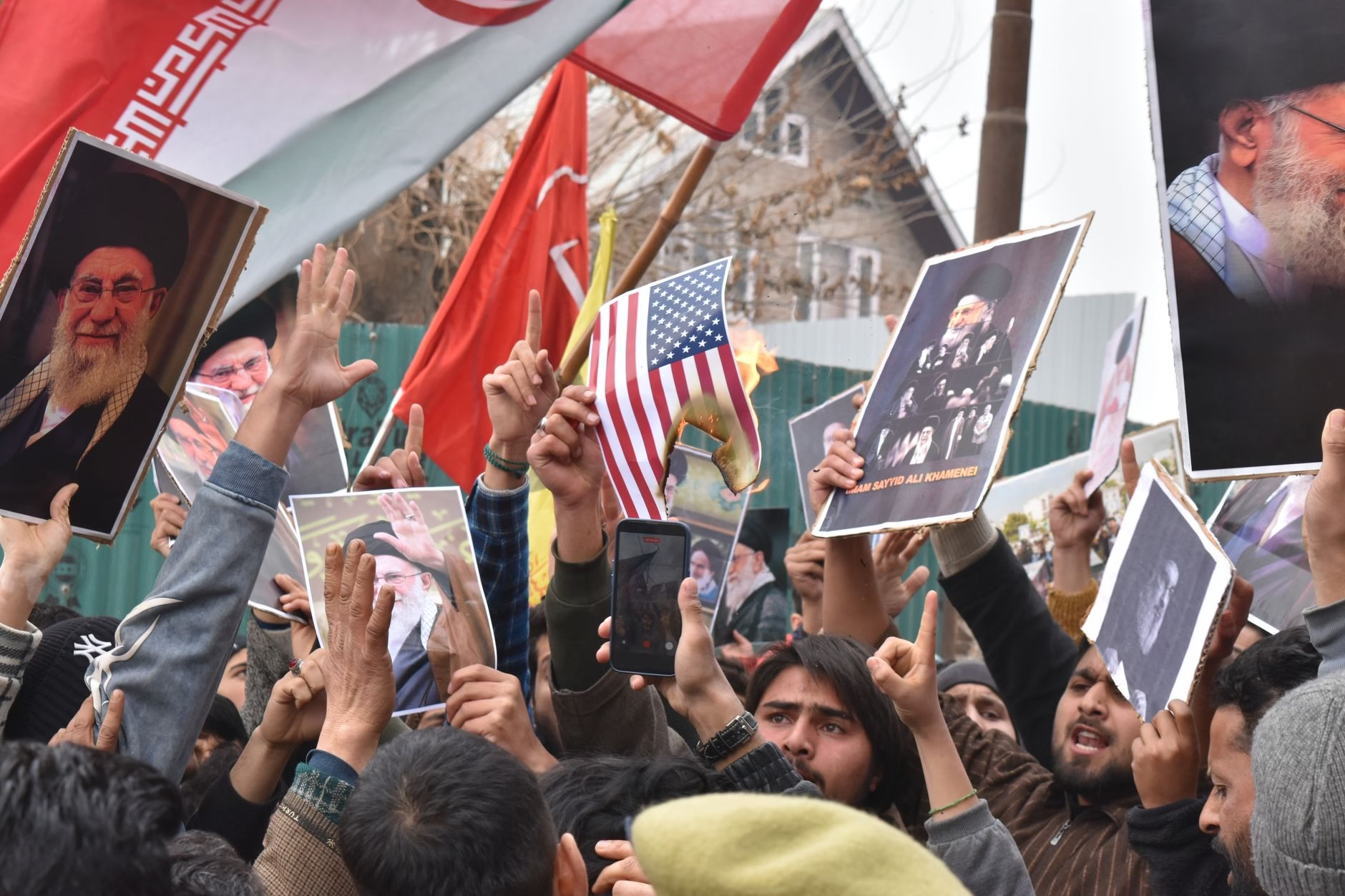
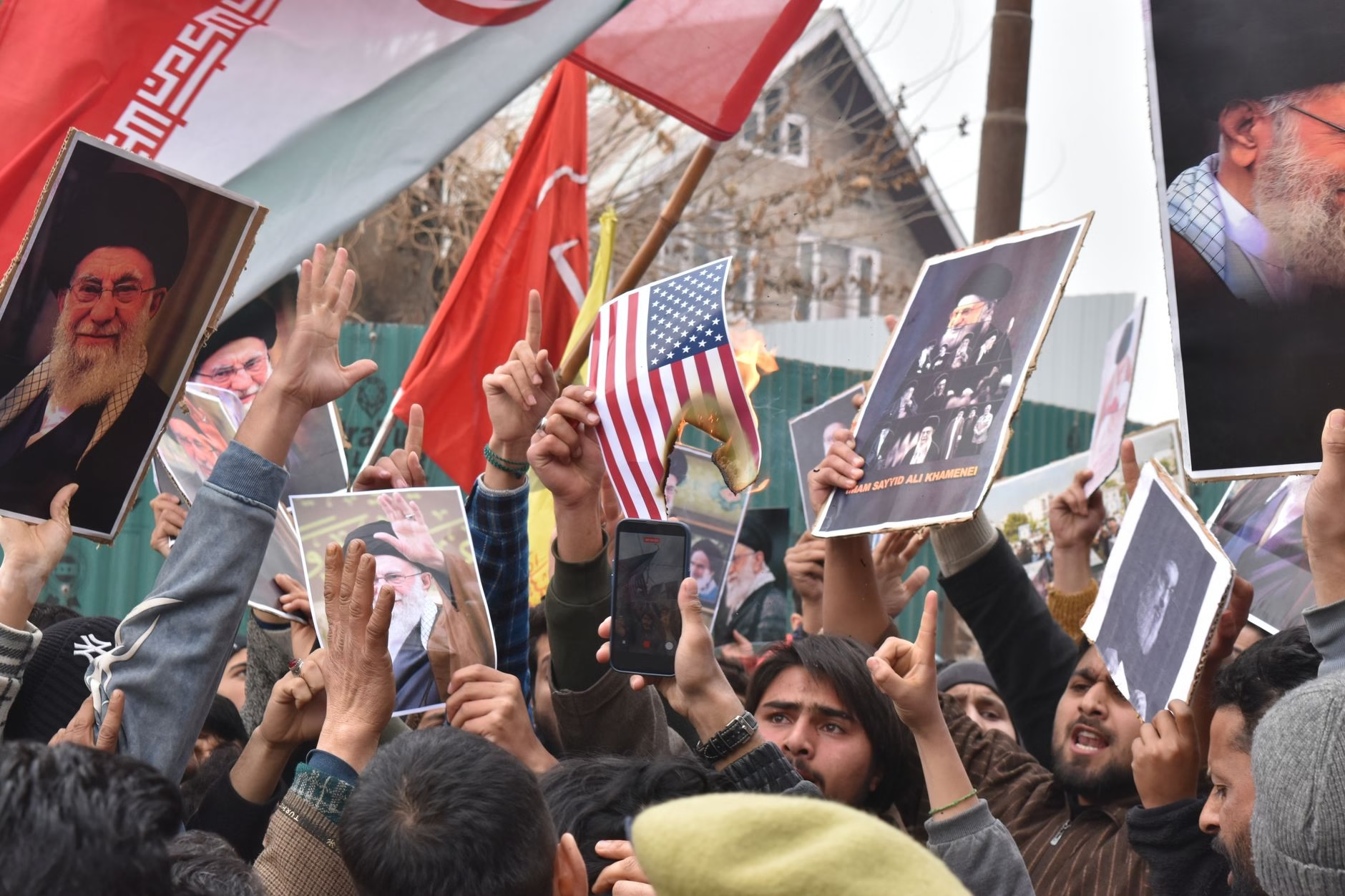
Recent statements from a senior U.S. administration envoy have cast a spotlight on the intricate dynamics of US Iran policy, particularly concerning the prospects for diplomatic resolution. The envoy indicated that Tehran does not appear to be interested in an agreement that aligns with American interests. This perspective underscores a significant challenge in the ongoing relationship between the two nations, suggesting a fundamental divergence in what each party considers a viable and beneficial deal.
This assessment arrived amidst a declared strategy by the U.S. administration to intensify economic pressure on Tehran. The approach signifies a deliberate effort to influence Iran’s strategic calculations and potentially compel a shift in its regional and nuclear policies. Understanding the implications of both Iran’s reported stance and the U.S. strategy of economic leverage is crucial for comprehending the current state of affairs in the Middle East.
The stated disinterest from Iran in a deal that ‘makes sense’ for the United States highlights a core impediment to progress. For any diplomatic resolution to be sustainable, it typically requires a degree of mutual benefit and compromise. When one party explicitly signals that the proposed terms or the underlying framework of negotiations do not align with its national interests, the path to a shared understanding becomes considerably more arduous. This suggests that the fundamental objectives and desired outcomes of each nation are currently far apart, creating a chasm that conventional diplomatic overtures struggle to bridge.
From the U.S. perspective, a deal that ‘makes sense’ would likely involve significant concessions from Iran on issues such as its nuclear program, ballistic missile development, and regional activities. These are areas where the United States and its allies perceive Iranian actions as destabilizing or threatening. Conversely, for Iran, a deal that ‘makes sense’ would likely entail substantial relief from international sanctions, recognition of its regional influence, and assurances regarding its security and sovereignty. The current chasm between these two sets of expectations creates a complex environment where common ground is difficult to establish.
The Strategy of Economic Pressure
The U.S. administration’s focus on exerting economic pressure on Tehran is a central pillar of its current US Iran policy. This strategy is predicated on the belief that economic hardship can serve as a powerful tool to alter the behavior of targeted nations. By restricting access to international markets, financial systems, and critical technologies, the aim is to diminish Iran’s resources and capacity to pursue policies deemed undesirable by the United States.
The rationale behind this approach is multifaceted. Proponents argue that economic sanctions can limit a nation’s ability to fund contentious programs, such as nuclear enrichment or support for proxy groups in the region. The intended effect is to create internal pressures within Iran, potentially leading its leadership to reconsider its strategic choices and engage in negotiations on terms more favorable to the United States.
However, the effectiveness and consequences of such a strategy are often debated. While economic pressure can undoubtedly inflict significant costs, its ability to compel desired political outcomes is not always guaranteed. History shows that targeted nations can sometimes adapt to sanctions, seek alternative economic pathways, or even become more entrenched in their existing policies, viewing the pressure as an external assault on their sovereignty.
Challenges in Diplomatic Engagement
The combination of Iran’s expressed disinterest in a U.S.-centric deal and the sustained application of economic pressure creates a particularly challenging environment for diplomatic engagement. Dialogue often thrives on a foundation of shared interests or at least a willingness to explore common ground. When one party openly states that the other’s proposed framework is not acceptable, it signals a deep-seated mistrust and a lack of perceived mutual benefit.
This situation can lead to a prolonged stalemate, where both sides remain firm in their positions, waiting for the other to yield. The U.S. may hope that continued economic pressure will eventually force Iran to the negotiating table on American terms, while Iran may believe it can withstand the pressure and eventually compel the U.S. to ease sanctions without significant concessions. This creates a high-stakes waiting game with uncertain outcomes.
Furthermore, the application of severe economic pressure can sometimes be counterproductive to diplomatic efforts. While intended to create leverage, it can also foster resentment and harden resolve, making it more difficult for leaders to make compromises without appearing weak to their domestic audiences. The perception of being coerced can diminish the political will to engage in meaningful negotiations.
Implications for Regional Stability
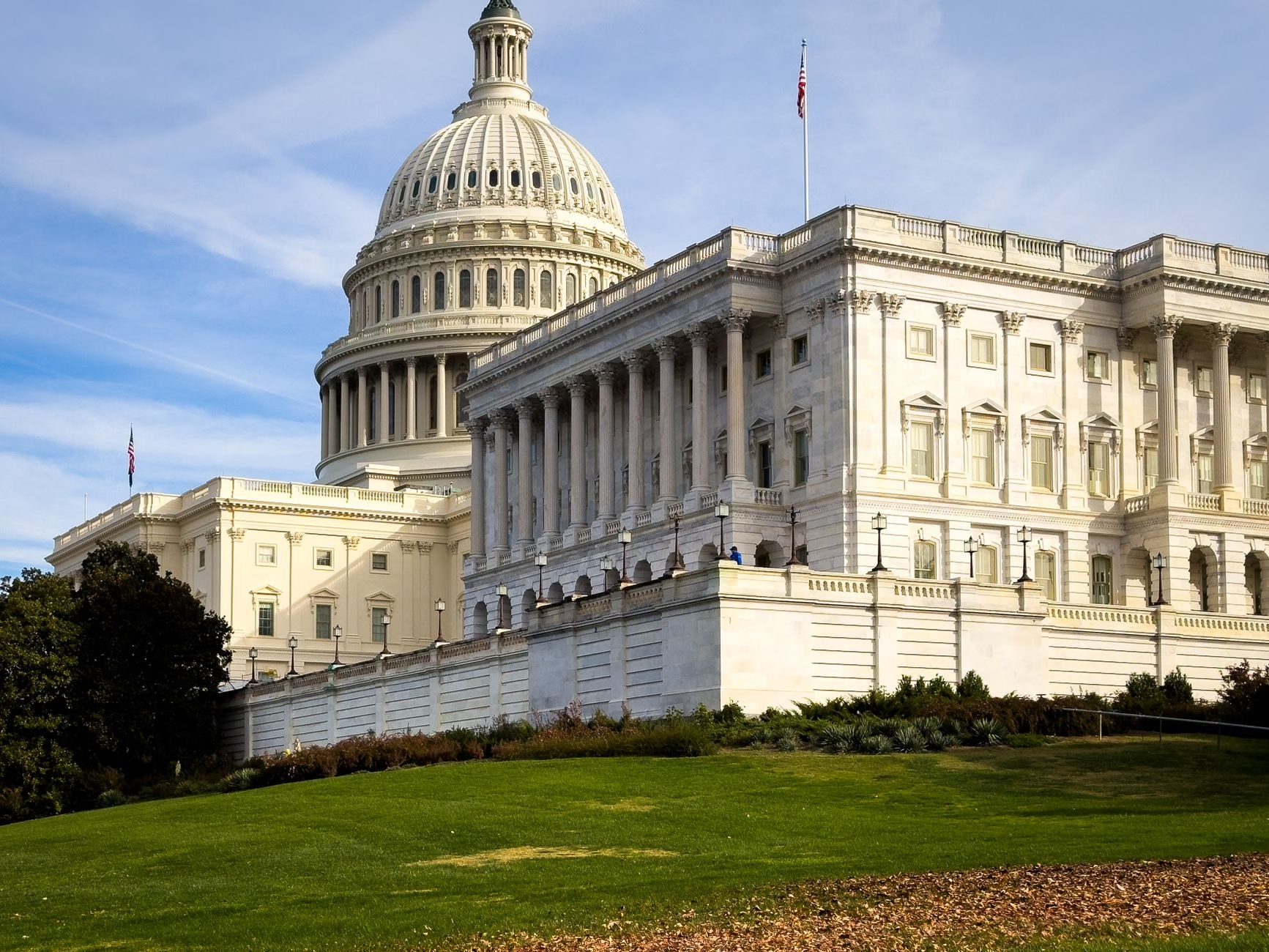
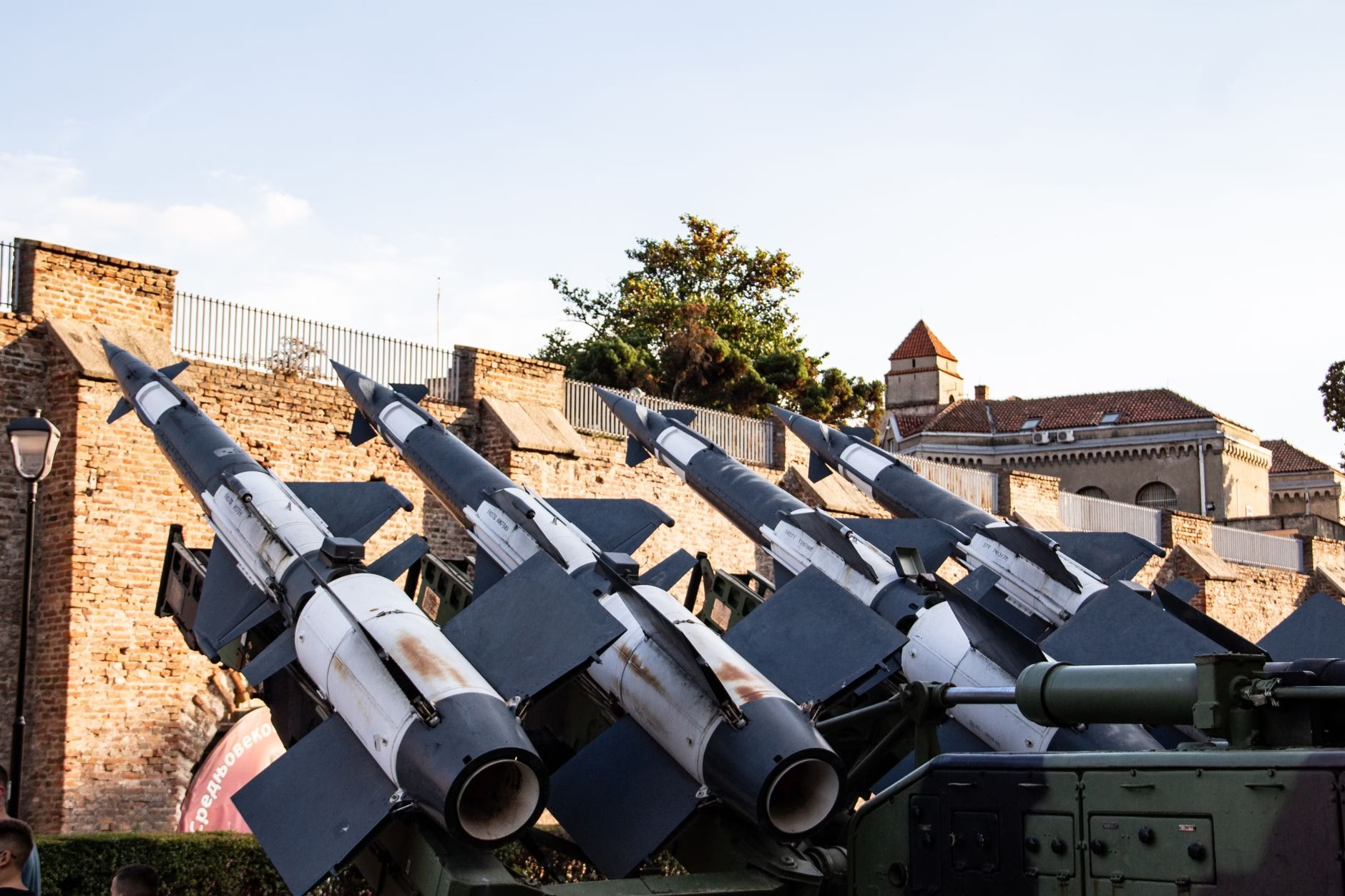
The ongoing tension stemming from this US Iran policy approach has significant implications for regional stability. The Middle East is a volatile region, and the relationship between the United States and Iran is a critical factor in its overall security landscape. A lack of diplomatic breakthroughs and the continuation of a high-pressure strategy can exacerbate existing conflicts and create new flashpoints.
Regional actors closely monitor the dynamics between Washington and Tehran, often aligning their own policies based on perceived shifts in power or diplomatic leverage. The absence of a clear path to de-escalation can encourage proxy conflicts, arms races, and a general climate of uncertainty that impacts economic development and human security across the region. The interplay of economic pressure, diplomatic impasse, and regional rivalries creates a complex web of challenges that demand careful navigation.
Looking Ahead
The current state of US Iran policy, characterized by a U.S. focus on economic pressure and Iran’s reported disinterest in a U.S.-favorable deal, suggests a protracted period of tension. For any future diplomatic efforts to succeed, a fundamental shift in approach or a re-evaluation of core objectives by one or both parties may be necessary. The challenge lies in finding a framework that can genuinely address the security concerns and national interests of both the United States and Iran, moving beyond the current impasse where a mutually acceptable resolution remains elusive. The path forward will undoubtedly require innovative diplomatic strategies and a willingness to bridge deeply entrenched differences.



















Leave a Reply