


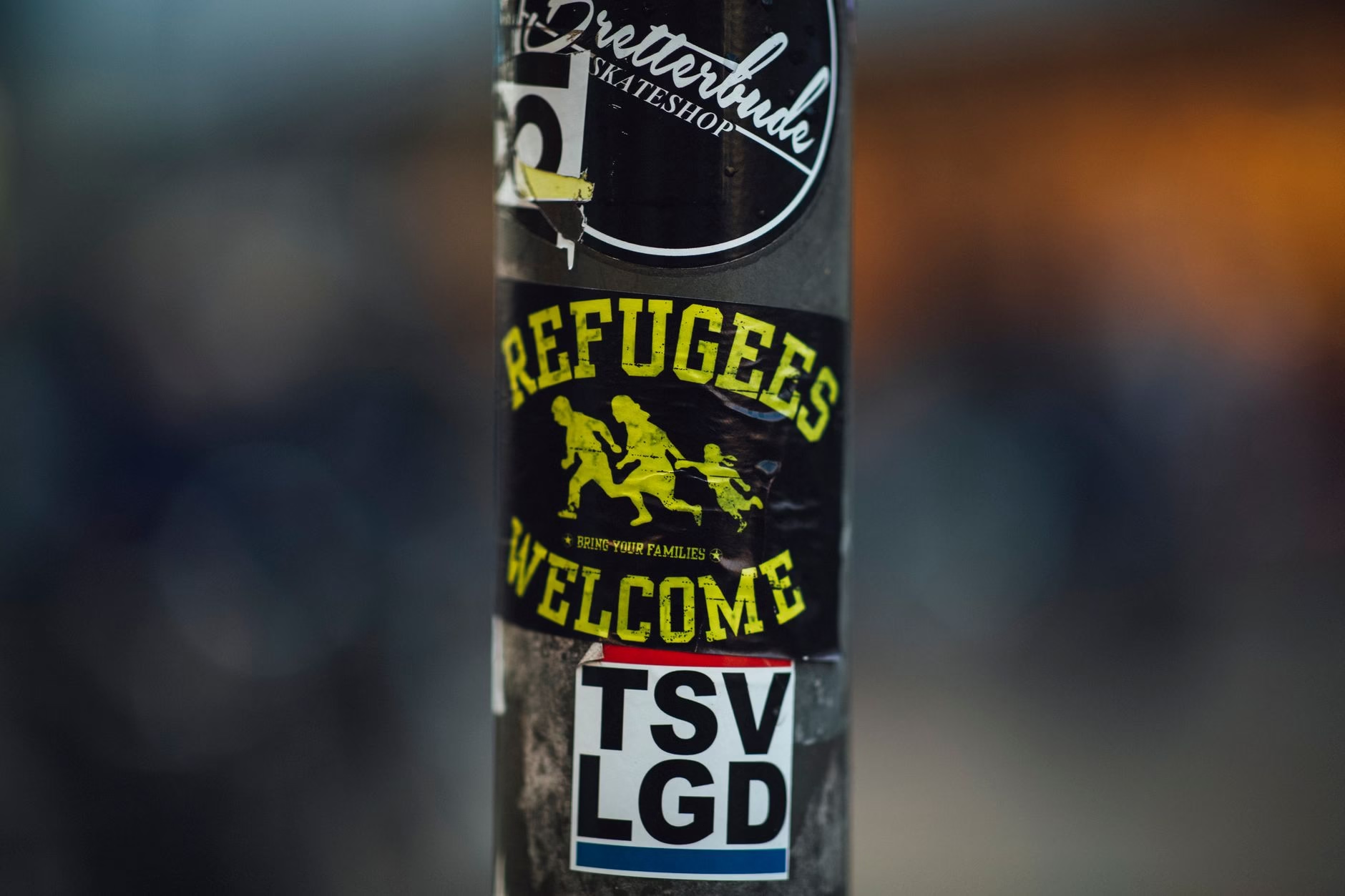
The landscape of international refugee policy is constantly evolving, shaped by geopolitical shifts, domestic considerations, and the enduring principles of humanitarian law. A significant development in recent years involves the re-evaluation of refugee statuses, particularly for individuals who initially fled conflict zones. Germany, a nation that has historically offered sanctuary to a substantial number of asylum seekers, is reportedly engaging in such a review, specifically concerning Syrian nationals.
Understanding Refugee Status and Its Revocation
Refugee status is typically granted under the 1951 Refugee Convention, an international treaty that defines who is a refugee and outlines the rights of refugees, as well as the responsibilities of states. A person is recognized as a refugee if they have a well-founded fear of being persecuted for reasons of race, religion, nationality, membership of a particular social group, or political opinion, and is outside their country of origin. This status is not permanent in all circumstances; it is subject to review and can be revoked under specific conditions.
International law provides clear guidelines for when refugee status may cease or be revoked. These conditions generally relate to a fundamental change in circumstances in the country of origin, rendering the fear of persecution no longer well-founded. For instance, if the conditions that led to the initial flight—such as armed conflict or widespread human rights abuses—have ceased to exist, and a safe return is genuinely possible, a state may consider revoking protection. Other grounds for revocation can include serious criminal offenses committed by the refugee or misrepresentation during the asylum application process.
The Syrian Context and Changing Dynamics
The conflict in Syria, which began in 2011, led to one of the largest displacement crises in modern history. Millions of Syrians sought refuge in neighboring countries and further afield, including a significant number in European nations like Germany. The initial granting of refugee status or subsidiary protection was largely based on the pervasive violence, instability, and humanitarian crisis gripping the country.
However, as the conflict has evolved, certain areas within Syria have experienced varying degrees of stabilization. While large parts of the country remain unsafe, and the political situation is far from resolved, some regions have seen a reduction in active hostilities. This shifting dynamic prompts host countries to assess whether the original grounds for granting protection still apply. Such assessments are inherently complex, requiring careful consideration of on-the-ground realities, human rights reports, and international legal interpretations.
Legal and Ethical Considerations
The process of revoking refugee status is fraught with legal and ethical complexities. States must adhere strictly to international and national laws, ensuring that each case is assessed individually and that due process is followed. A blanket revocation policy is generally not permissible under international law, as the fear of persecution remains highly individualized. The onus is on the state to demonstrate that the conditions for cessation or revocation are met.
From an ethical standpoint, the decision to revoke protection carries profound implications for individuals and families who have built new lives in their host countries. Many refugees may still harbor legitimate fears of returning, even if the general security situation has improved in certain areas. Concerns about forced conscription, arbitrary detention, lack of basic services, and ongoing human rights abuses by the regime or other actors often persist. The psychological impact of potentially being forced to return to a country still recovering from conflict, or one where they may face persecution, cannot be overstated.
Impact on Integration and Social Cohesion
Discussions surrounding the revocation of refugee status can also have broader societal impacts. For individuals who have spent years integrating into German society, learning the language, finding employment, and establishing social networks, the prospect of losing their protection status can be deeply unsettling. This uncertainty can hinder further integration efforts, creating a sense of precarity and instability.
Furthermore, public discourse around such policies can influence social cohesion. It is crucial for governments to communicate their policies transparently and with sensitivity, balancing the legitimate concerns of host populations with the humanitarian obligations towards those seeking refuge. The perception of fairness and adherence to legal principles is vital for maintaining trust and preventing xenophobia.
International Standards and Best Practices
When considering status revocation, states are expected to consult relevant international bodies, such as the United Nations High Commissioner for Refugees (UNHCR), which provides guidance on the interpretation and application of the 1951 Refugee Convention. The UNHCR’s position emphasizes that cessation clauses should be applied with extreme caution and only when there has been a fundamental, stable, and durable change in circumstances in the country of origin, allowing for a safe and dignified return.
Any decision to revoke status must be accompanied by robust appeal mechanisms, allowing individuals to challenge the decision in an independent judicial or administrative body. This ensures that individual circumstances are thoroughly reviewed and that no person is returned to a situation where they face a genuine risk of persecution or serious harm.
The ongoing review of refugee status for Syrians in Germany highlights the intricate balance between national sovereignty, international legal obligations, and humanitarian principles. It underscores the need for meticulous individual assessments, adherence to due process, and a deep understanding of the complex and often perilous realities that continue to shape the lives of those displaced by conflict.





















Leave a Reply