


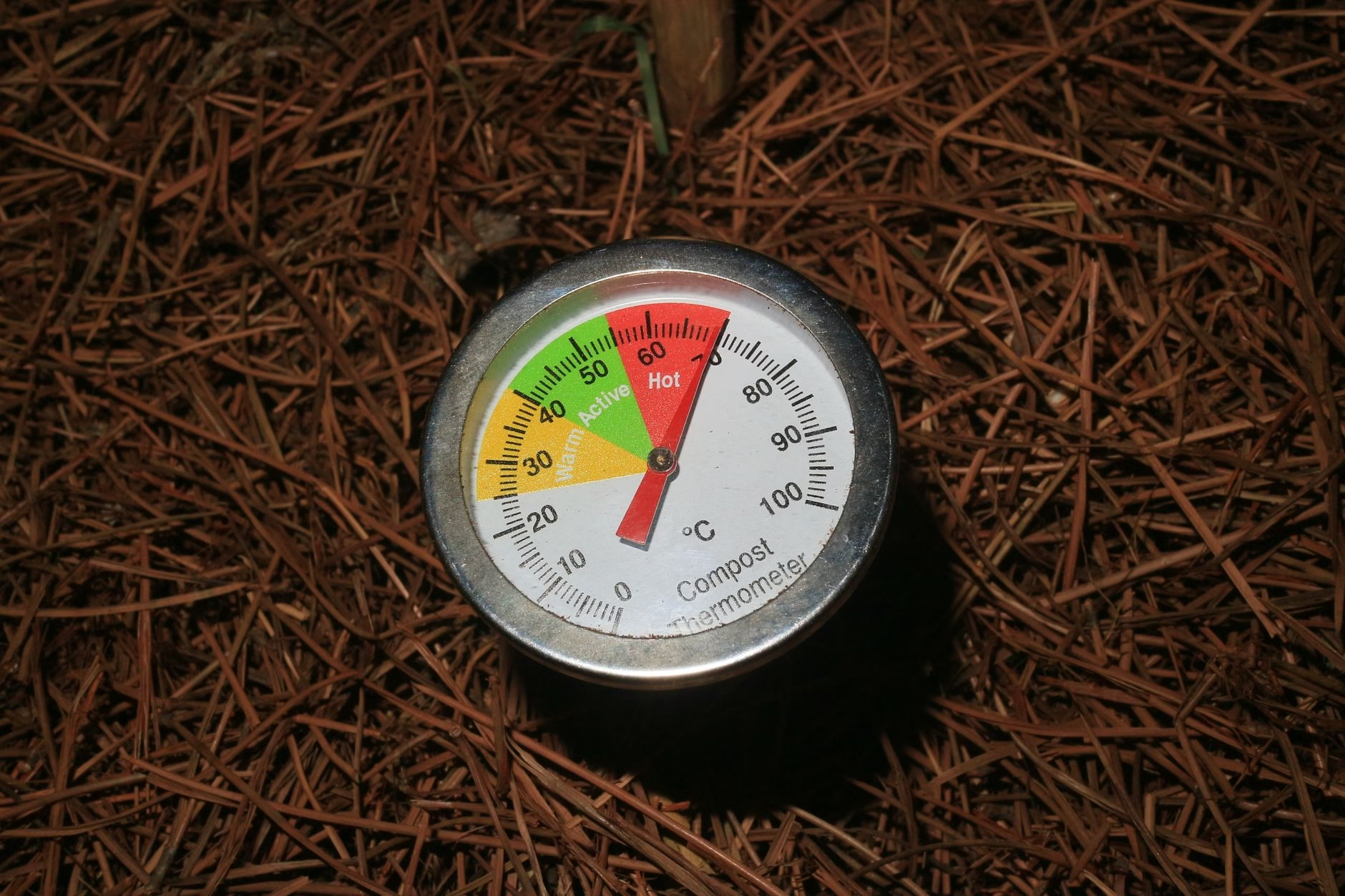
The global climate is undergoing significant changes, bringing with it more frequent and intense heatwaves. For dedicated gardeners, these rising temperatures present a formidable challenge, threatening plant health, water resources, and the very joy of cultivation. Adapting to these new environmental realities is no longer an option but a necessity. This article explores practical, effective strategies that enable gardeners to not only cope with but also thrive in conditions of extreme heat, ensuring their green spaces remain vibrant and productive.
Understanding the Impact of High Temperatures
Extreme heat affects plants in multiple ways. High ambient temperatures can cause rapid water loss through transpiration, leading to wilting and dehydration. Direct sun exposure, especially during peak hours, can result in leaf scorch, where plant tissues burn and turn brown. The soil also suffers; excessive heat can deplete soil moisture quickly, hinder microbial activity crucial for nutrient cycling, and even cook delicate root systems. Understanding these impacts is the first step toward developing resilient gardening practices.
Strategic Watering for Heat Resilience
Effective watering is paramount during periods of extreme heat. Rather than frequent, shallow watering, which encourages surface roots and rapid evaporation, deep and infrequent watering is more beneficial. This practice encourages roots to grow deeper into the soil, where moisture is more consistent. The best time to water is early in the morning, before the sun’s intensity increases, or late in the evening, after temperatures have cooled. Watering during the hottest part of the day is inefficient due to high evaporation rates and can even harm plants by creating a magnifying glass effect with water droplets on leaves. Utilizing drip irrigation systems or soaker hoses can deliver water directly to the root zone, minimizing waste and maximizing efficiency compared to overhead sprinklers.
Protecting Plants from Sun Scorch
Just as humans seek shade from intense sun, plants often require similar protection during heatwaves. Shade cloths are an invaluable tool, providing a physical barrier that reduces direct sunlight exposure and lowers ambient temperatures around plants. These can be draped over hoops or simple frames, offering temporary relief during the hottest parts of the day or for entire periods of extreme heat. Positioning taller plants to naturally shade more delicate, lower-growing species can also be an effective strategy. For container plants, relocating them to shadier spots on a patio or under a tree can prevent overheating and root damage.
Enhancing Soil Health and Moisture Retention
Healthy soil is the foundation of a resilient garden. Incorporating ample organic matter, such as compost, significantly improves the soil’s water-holding capacity. Organic matter acts like a sponge, absorbing and slowly releasing moisture, making it available to plants for longer periods. Mulching is another critical practice. A thick layer (2-4 inches) of organic mulch, such as wood chips, straw, or shredded leaves, around plants helps to insulate the soil, keeping it cooler and dramatically reducing evaporation. Mulch also suppresses weeds, which compete with desirable plants for precious water and nutrients.
Selecting Heat-Tolerant Plant Varieties
One of the most proactive steps gardeners can take is to choose plants that are naturally adapted to warmer climates and drought conditions. Many native plants are excellent choices, as they have evolved to thrive in local environmental extremes. Researching and selecting varieties known for their heat tolerance, such as certain types of succulents, Mediterranean herbs, or specific cultivars of vegetables and flowers, can significantly reduce the stress on both the plants and the gardener during heatwaves. Consulting local nurseries and agricultural extension offices can provide valuable insights into suitable plant selections for a specific region.
Adjusting Planting Schedules and Garden Layout
Traditional planting schedules may need reevaluation in the face of changing climates. Shifting planting times to avoid the peak heat of summer, perhaps planting earlier in spring or later in fall, can give plants a better chance to establish before extreme temperatures arrive. Succession planting, where crops are planted in stages, can also help ensure a continuous harvest even if some plantings succumb to heat stress. Furthermore, considering the garden’s microclimates and designing its layout to maximize natural shade or create windbreaks can contribute to a more resilient ecosystem.
Leveraging Technology and Tools for Heat Management
Modern gardening offers a range of tools and technologies to aid in heat management. Automated irrigation systems with soil moisture sensors can precisely deliver water only when and where it’s needed, optimizing water use. Weather stations and smart garden apps can provide real-time data and forecasts, allowing gardeners to anticipate heatwaves and take preventative measures. Rain barrels can collect rainwater, providing a sustainable source of irrigation during dry spells. These technological aids, when used thoughtfully, can significantly enhance a garden’s ability to withstand extreme conditions.
The Gardener’s Mindset: Embracing Adaptation
Beyond specific techniques, adapting to gardening in extreme heat also involves a shift in mindset. It means embracing flexibility, learning from successes and failures, and recognizing that a garden is a dynamic, evolving entity. It encourages a deeper connection with the local environment and a commitment to sustainable practices. Gardeners are inherently resilient, and this quality is more important than ever as they navigate the challenges of a changing climate.
Conclusion:
Gardening in extreme heat presents undeniable challenges, but with informed strategies and a proactive approach, it is entirely possible to maintain a flourishing garden. By focusing on strategic watering, providing adequate shade, nurturing soil health, selecting appropriate plant varieties, and utilizing available technologies, gardeners can build resilience into their green spaces. These adaptations not only help plants survive but also contribute to a more sustainable and environmentally conscious approach to cultivation, ensuring the enduring beauty and productivity of our gardens for years to come.





















Leave a Reply