


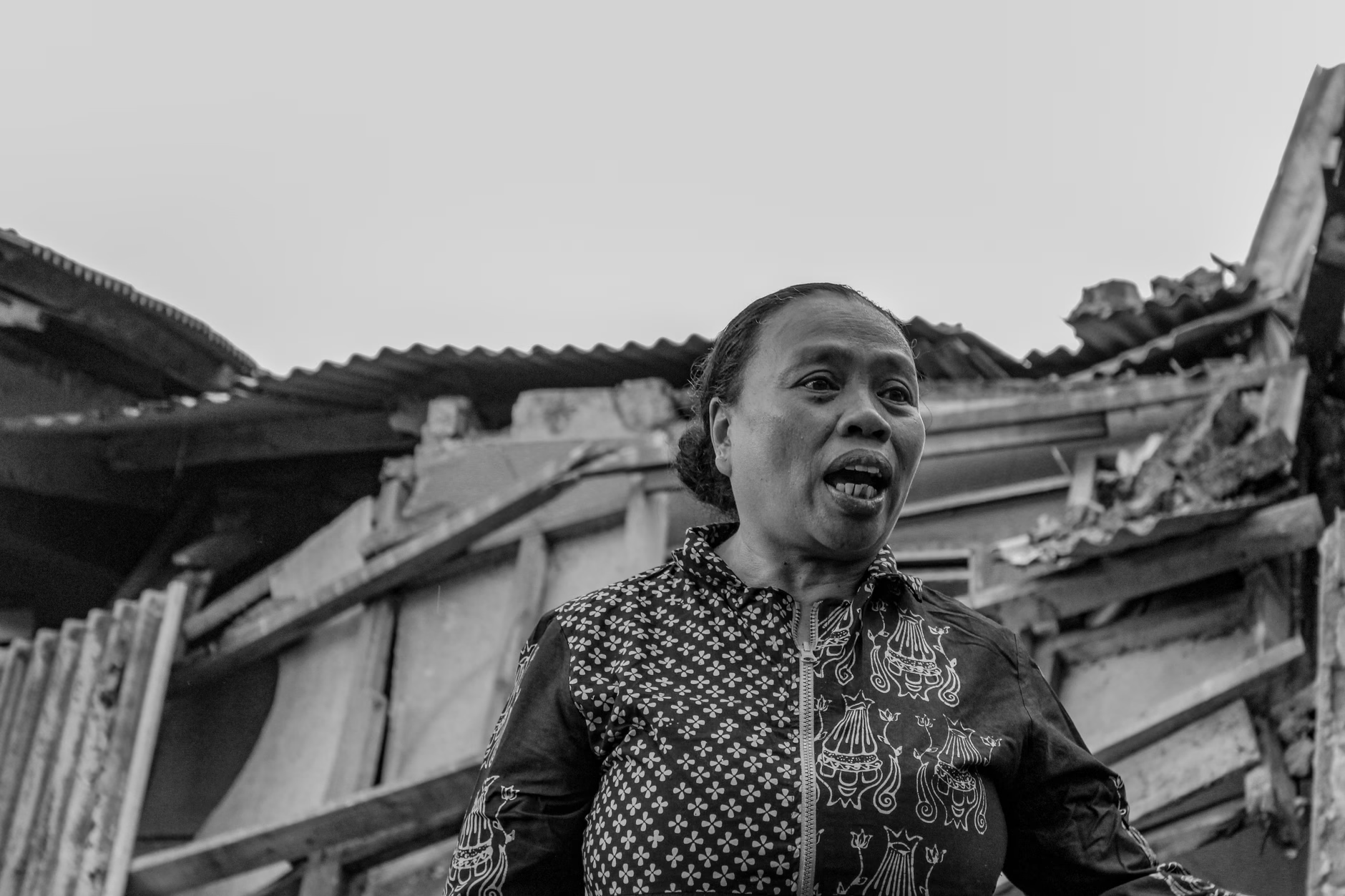
The Indonesian archipelago, known for its stunning natural beauty, also lies within one of the world’s most seismically active zones. This inherent geological vulnerability was tragically underscored by a powerful earthquake that recently struck Flores island, resulting in the loss of twenty lives. Such events serve as a stark reminder of the constant threat posed by natural disasters in this vibrant nation. The incident on Flores island highlights the critical need for robust disaster preparedness and response mechanisms in regions prone to significant seismic activity.
Indonesia’s Tectonic Landscape
Situated along the Pacific Ring of Fire, Indonesia experiences frequent seismic events due to the convergence of several major tectonic plates. The Australian, Eurasian, Pacific, and Philippine Sea plates all interact beneath the archipelago, creating immense geological stress. This complex interplay of forces leads to a high incidence of earthquakes, many of which are powerful enough to cause widespread destruction. Flores island, part of the Lesser Sunda Islands, is particularly susceptible to these tremors, being located in a zone where plate movements are highly active. Understanding this geological context is crucial for appreciating the scale of the challenges faced by communities across Indonesia.
Immediate Consequences and Human Toll
The recent earthquake on Flores island tragically claimed the lives of twenty individuals, a devastating human cost that reverberates through the affected communities. Beyond the immediate fatalities, powerful seismic events typically cause extensive damage to infrastructure, including homes, roads, and essential services. Such destruction can displace thousands, disrupt daily life, and severely impact local economies. The aftermath often involves urgent search and rescue operations, providing medical aid to the injured, and establishing temporary shelters for those whose homes have been rendered uninhabitable. The emotional and psychological toll on survivors and affected families is profound, requiring sustained support in the wake of such a traumatic experience.
Challenges in Emergency Response
Responding to a major earthquake in a geographically diverse and often remote region like Flores presents numerous logistical hurdles. Access to affected areas can be severely hampered by damaged roads, landslides, and collapsed bridges, delaying the arrival of aid and rescue teams. The coordination of emergency services, including medical personnel, search and rescue units, and humanitarian organizations, is paramount. Ensuring effective communication channels remains a critical challenge, especially when power outages disrupt conventional networks. Furthermore, the distribution of essential supplies such as food, water, and shelter materials requires meticulous planning and execution to reach those most in need swiftly and efficiently.
Rebuilding and Fostering Resilience
Following the immediate emergency phase, the focus shifts towards long-term recovery and reconstruction. This process involves not only rebuilding damaged infrastructure but also implementing measures to enhance community resilience against future seismic events. Efforts often include the construction of earthquake-resistant buildings, the development of early warning systems, and comprehensive public education campaigns on disaster preparedness. Empowering local communities with the knowledge and resources to respond effectively to emergencies is a cornerstone of sustainable recovery. International assistance and collaboration frequently play a vital role in supporting these extensive rebuilding initiatives, providing expertise and resources to aid the affected regions.
Strengthening Disaster Preparedness
The recurring nature of seismic activity in Indonesia underscores the continuous need for strengthening disaster preparedness at all levels. This includes investing in advanced monitoring technologies to better predict and understand seismic movements, as well as refining emergency protocols and evacuation plans. Regular drills and training programs for both emergency responders and the general public are essential to ensure a coordinated and effective response when disaster strikes. Furthermore, integrating disaster risk reduction strategies into urban planning and development policies can significantly mitigate the potential impact of future earthquakes, protecting lives and livelihoods.
Conclusion
The powerful earthquake that claimed twenty lives on Flores island serves as a somber reminder of Indonesia’s inherent vulnerability to natural disasters. While the immediate focus remains on supporting the affected communities and facilitating recovery, such events also provide critical lessons for enhancing national and regional resilience. Through continued investment in scientific research, robust infrastructure, effective emergency response systems, and community empowerment, Indonesia can strive to minimize the human and economic toll of future seismic events, ensuring greater safety and stability for its people. The path to recovery is often long and arduous, but with collective effort and strategic planning, communities can emerge stronger and better prepared for the challenges that lie ahead.






















Leave a Reply