


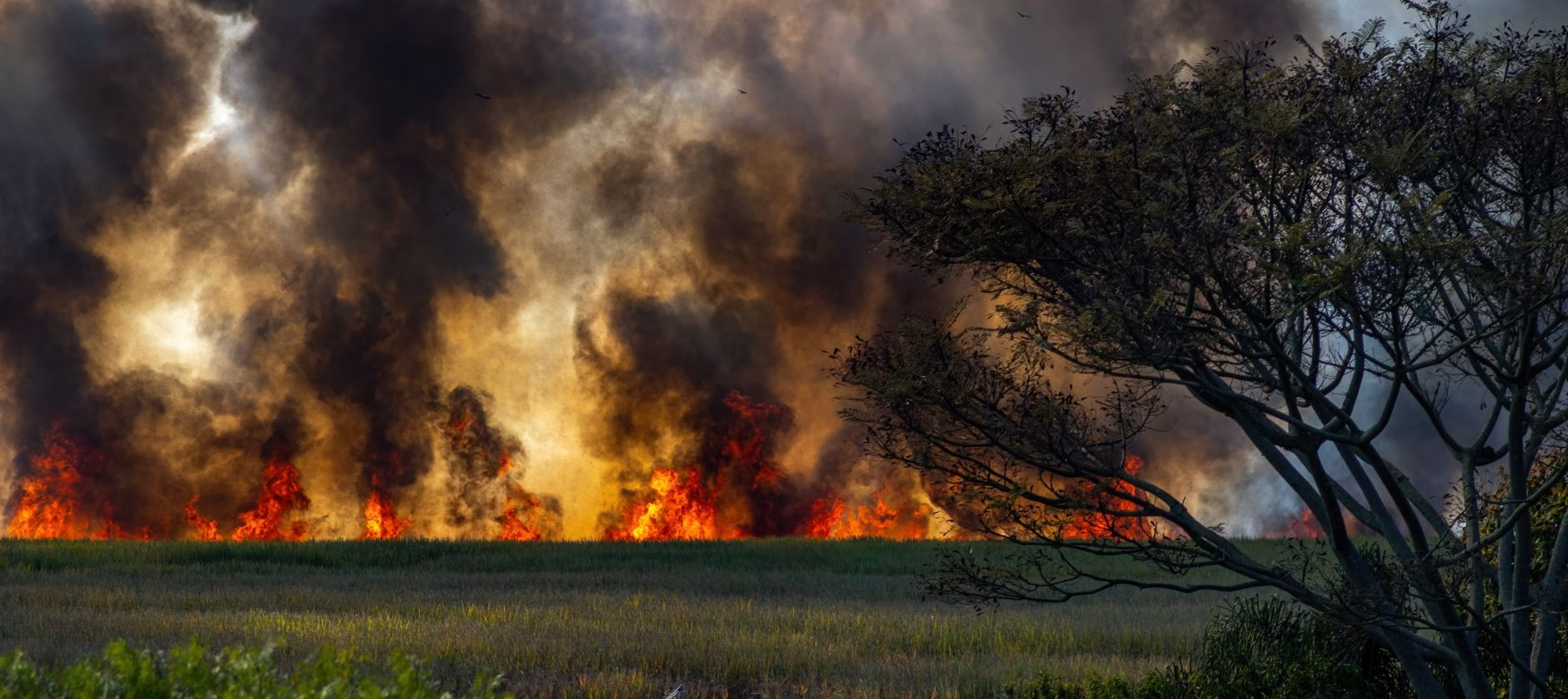
Europe is increasingly confronting the severe repercussions of a changing climate, manifested prominently through intensifying heatwaves and a surge in destructive wildfires. Across the continent, from the Mediterranean shores to northern regions, communities and ecosystems are grappling with unprecedented environmental challenges. The confluence of prolonged high temperatures and dry conditions creates a volatile landscape, significantly elevating the risk of widespread blazes. This situation necessitates a robust and coordinated response from national authorities and international bodies alike.
The Escalating Threat of European Heatwaves
Over recent decades, meteorological data consistently indicates a discernible trend of rising average temperatures across Europe. This warming pattern contributes to more frequent, longer-lasting, and more intense heatwaves. Such extreme thermal events place immense strain on public health, infrastructure, and natural resources. The prolonged periods of intense heat desiccate vegetation, turning forests, grasslands, and agricultural areas into highly flammable fuel. This environmental transformation sets the stage for rapid ignition and uncontrolled fire propagation, even from minor sparks or natural causes.
Wildfire Dynamics Across the Continent
While historically associated with southern European countries, the threat of wildfires is now expanding into regions previously less affected, including parts of France and England. These fires are often characterized by their rapid spread and intense heat, making them exceedingly difficult to contain. Factors contributing to their ferocity include strong winds, dense undergrowth, and challenging terrain. The ecological impact is profound, leading to habitat destruction, soil erosion, and significant air pollution. Economically, the costs are staggering, encompassing property damage, agricultural losses, and the substantial resources required for firefighting operations and subsequent recovery efforts.
Ecological and Socio-Economic Consequences
The immediate aftermath of a wildfire is often devastating. Beyond the visible destruction of forests and homes, there are long-term ecological consequences. Biodiversity suffers immensely as countless species lose their habitats, and ecosystems can take decades, if not centuries, to recover. Soil degradation becomes a significant concern, increasing the risk of landslides and flooding in subsequent rainfall events. For human populations, the displacement of residents, the loss of livelihoods, and the health impacts from smoke inhalation represent critical socio-economic challenges. The psychological toll on affected communities is also considerable, underscoring the far-reaching impact of these environmental disasters.
Emergency Response and Preparedness Strategies
Effective wildfire management hinges on a multi-faceted approach encompassing prevention, early detection, and rapid suppression. European nations are continually refining their emergency response protocols, deploying specialized firefighting units, aerial support, and advanced surveillance technologies. Prevention efforts include controlled burns, creating firebreaks, and public awareness campaigns to mitigate human-caused ignitions. International cooperation and resource sharing, such as through the EU Civil Protection Mechanism, are becoming increasingly vital as fires transcend national borders and overwhelm local capacities. Investing in resilient infrastructure and community preparedness programs is also crucial for minimizing damage and ensuring public safety.
The Broader Climate Change Context
The escalating wildfire crisis in Europe is inextricably linked to the broader phenomenon of climate change. Scientific consensus points to human activities, particularly the emission of greenhouse gases, as the primary driver of global warming. The increased frequency and intensity of heatwaves, coupled with altered precipitation patterns, create ideal conditions for wildfires. Addressing this challenge requires not only immediate response measures but also a concerted global effort to reduce carbon emissions and transition to sustainable energy sources. Adaptation strategies, such as developing fire-resistant landscapes and urban planning that accounts for wildfire risk, are also essential components of a long-term solution.
Building Resilience and a Sustainable Future
Moving forward, a comprehensive strategy for managing European wildfires must integrate both immediate operational responses and long-term climate action. This includes enhancing early warning systems, improving cross-border collaboration, and investing in research and development for innovative firefighting techniques. Furthermore, there is a critical need for policies that promote sustainable land management, reforestation with fire-resistant species, and the protection of vulnerable ecosystems. Educating the public on fire safety and the impacts of climate change remains paramount. By fostering a collective commitment to environmental stewardship and climate resilience, Europe can better safeguard its natural heritage and communities against the intensifying threat of wildfires in a warming world.



















Leave a Reply