


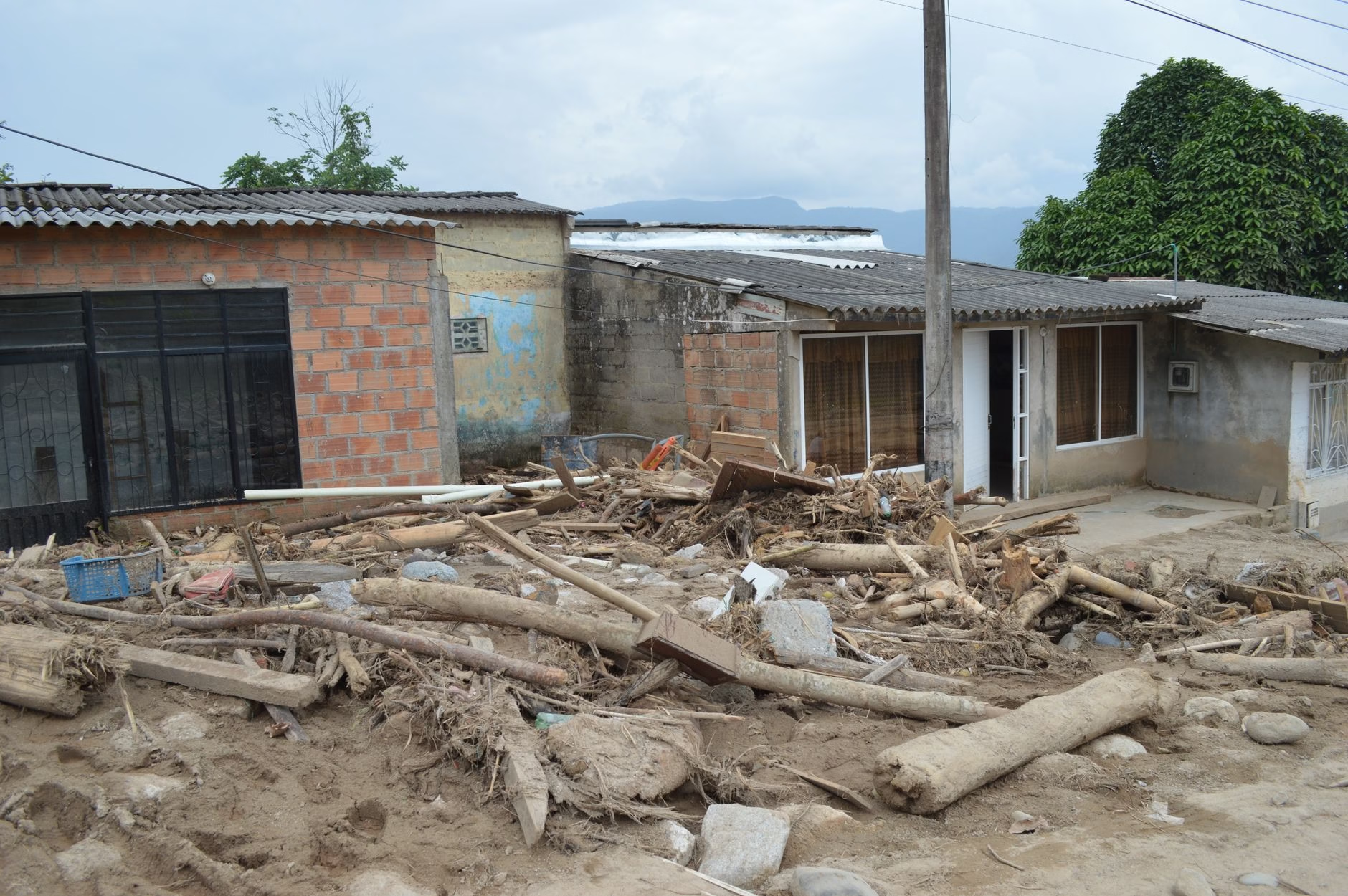
Setting the Scene in Cali
Colombia, a nation positioned within the geologically active Pacific Ring of Fire, frequently experiences seismic events. Its complex tectonic setting makes it susceptible to earthquakes, some of which can be quite powerful. When a significant tremor, described as the strongest to impact the region in decades, strikes a major urban center like Cali, the immediate aftermath presents considerable challenges for both authorities and residents. Such an event tests the resilience of infrastructure, emergency services, and the community itself, demanding a swift and coordinated response to mitigate damage and save lives.
Immediate Challenges and Initial Assessments
In the moments following a powerful earthquake, the primary concerns revolve around assessing the extent of damage and ensuring public safety. Initial reports often indicate structural failures, particularly in older buildings or those not constructed to modern seismic standards. Power outages are common, disrupting communication networks and hindering immediate response efforts. Roads may become impassable due to rubble or landslides, complicating the movement of emergency vehicles and personnel. The first hours are critical for establishing a clear picture of the affected areas and identifying locations where people may be trapped under debris.
Emergency services, including police, fire departments, and civil defense units, are immediately mobilized. Their initial tasks involve securing hazardous zones, providing first aid to the injured, and conducting rapid damage assessments. The sheer scale of a major urban earthquake often overwhelms local resources, necessitating support from national agencies and potentially international aid organizations. Coordinating these diverse groups effectively is paramount to an efficient disaster response, ensuring that resources are deployed where they are most needed and that efforts are not duplicated.
The Critical Role of Search and Rescue Teams
One of the most urgent and demanding aspects of post-earthquake response is urban search and rescue (USAR). Specialized teams, equipped with advanced tools and trained in techniques for locating and extracting individuals from collapsed structures, converge on affected sites. These teams often include engineers, medical personnel, and canine units, each playing a vital role in the complex operation. The work is physically arduous and emotionally taxing, carried out amidst unstable debris and the constant threat of aftershocks.
Rescuers meticulously comb through rubble, using listening devices, cameras, and their own expertise to detect signs of life. Every minute counts in these operations, as the chances of survival for trapped individuals diminish over time. The methodical clearing of debris, shoring up unstable sections, and creating safe pathways are all part of the intricate process. The focus remains on preserving life, even as the challenges of working in a highly dangerous environment persist. The dedication of these teams is a testament to the human spirit in the face of overwhelming catastrophe.
Community Mobilization and Support Networks
Beyond the formal emergency services, the community itself plays a crucial role in the immediate aftermath of a major earthquake. Neighbors often become first responders, helping those around them before official aid arrives. Volunteers frequently organize to assist with search efforts, distribute aid, and provide comfort to the displaced. This spontaneous outpouring of solidarity is a powerful force in disaster recovery, demonstrating the inherent resilience of a population facing adversity.
Local authorities work to establish temporary shelters for those whose homes have been damaged or destroyed. These shelters provide not only a safe place to sleep but also access to food, water, and medical care. Psychological support becomes increasingly important as individuals grapple with the trauma of the event, the loss of loved ones, and the uncertainty of their future. Community centers and religious organizations often serve as hubs for these support networks, offering both practical assistance and emotional solace.
Restoring Infrastructure and Essential Services
As search and rescue operations gradually transition into recovery phases, the focus shifts to restoring essential services and infrastructure. Repairing damaged power grids, water supply systems, and telecommunication networks is critical for normalizing daily life and supporting ongoing recovery efforts. Engineers and utility workers face the daunting task of assessing damage, prioritizing repairs, and implementing solutions in what can be a widespread and complex environment.
Transportation networks, including roads and bridges, must be inspected and repaired to facilitate the movement of goods, services, and people. The ability to transport construction materials, medical supplies, and humanitarian aid efficiently is vital for the long-term recovery process. Re-establishing these foundational services is a slow and incremental process, often requiring significant financial investment and coordinated planning across multiple government agencies and private sector partners.
Long-Term Recovery and Building Resilience
The journey from immediate response to full recovery following a major earthquake is extensive and multifaceted. It involves not only rebuilding physical structures but also addressing the economic and social impacts on the affected population. Governments typically initiate long-term reconstruction plans, which include providing housing assistance, supporting businesses, and revitalizing local economies. The goal is not merely to restore what was lost but to build back stronger and more resilient communities.
This often entails reviewing and updating building codes to ensure that new constructions can withstand future seismic events. Investment in early warning systems and public education campaigns on earthquake preparedness also becomes a priority. By integrating lessons learned from the disaster into future planning, cities like Cali can enhance their capacity to mitigate risks and respond more effectively to potential seismic challenges, fostering a culture of preparedness and resilience among their citizens.



















Leave a Reply