


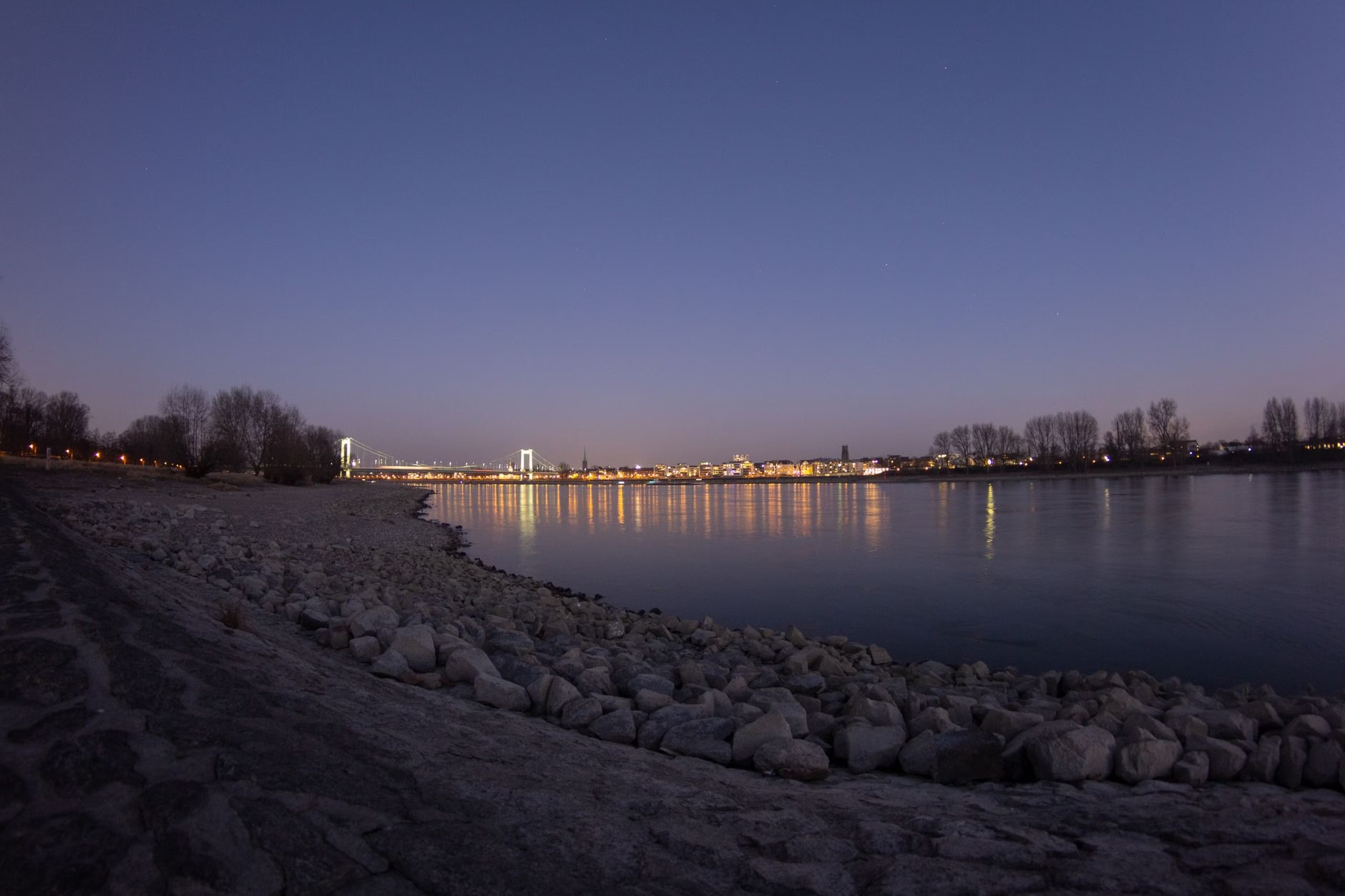
The Rhine River, a pivotal waterway traversing several European nations, stands as an indispensable artery for commerce and industry. Its consistent navigability has historically underpinned the continent’s economic stability, facilitating the movement of vast quantities of raw materials, manufactured goods, and energy resources. However, in recent times, this crucial waterway has faced escalating challenges due to persistently low water levels. These conditions introduce significant disruptions to the efficiency and reliability of inland shipping, a cornerstone of Europe’s logistical infrastructure.
The prospect of unprecedented operational adjustments, such as potentially segmenting the river into separate shipping channels to maintain passage, underscores the gravity of the situation. Such discussions highlight the urgent need for adaptive strategies to mitigate the impact of these environmental shifts. Understanding the multifaceted causes, widespread impacts, and potential long-term solutions is essential for safeguarding the future of European supply chains and ensuring continued economic resilience.
The Economic Lifeline: Importance of Rhine Shipping
For centuries, the Rhine has served as a vital conduit, connecting industrial heartlands with major ports like Rotterdam. It enables the cost-effective and environmentally friendlier transport of bulk goods, including coal, iron ore, chemicals, and petroleum products. Industries along its banks, from manufacturing to agriculture, rely heavily on its transport capabilities for both inbound supplies and outbound finished products. The river’s extensive network of tributaries and canals further integrates it into a broader European inland navigation system, amplifying its strategic importance.
Disruptions to Rhine shipping ripple through various sectors, affecting production schedules, increasing transport costs, and potentially leading to shortages. The efficiency of this waterway directly influences the competitiveness of European industries in a global market. Therefore, maintaining its navigability is not merely a logistical concern but a fundamental economic imperative for the entire region.
Understanding the Causes of Water Level Decline
The recurring phenomenon of diminished water levels in the Rhine is attributed to a complex interplay of environmental and climatic factors. A primary driver is prolonged periods of drought, which lead to reduced rainfall and snowmelt in the river’s Alpine source regions. The contribution from glaciers, historically a consistent source of meltwater during warmer months, is also decreasing due to climate change.
Additionally, higher ambient temperatures contribute to increased evaporation from the river’s surface. Changes in precipitation patterns, characterized by more intense but less frequent rainfall events, can also exacerbate the problem, as the ground struggles to absorb water efficiently, leading to less groundwater recharge for the river system. These combined factors create a challenging hydrographic landscape, making low water events more frequent and severe.
Direct Impacts on Commercial Navigation
The immediate consequence of low water levels is a drastic reduction in the cargo capacity of barges. Vessels designed to carry thousands of tons must lighten their loads significantly to avoid grounding in shallower sections. This necessitates more trips to transport the same volume of goods, leading to increased fuel consumption, higher operational costs, and extended delivery times.
Certain critical choke points along the Rhine, such as the stretch near Kaub, become particularly problematic. Here, the riverbed rises, making navigation perilous for larger vessels when water levels fall below specific thresholds. Shipping companies are forced to either use smaller, less efficient barges or seek alternative transport methods, such as rail or road, which are often more expensive and less sustainable for bulk cargo.
Operational Adjustments and Logistical Innovations
In response to these persistent challenges, various operational adjustments are being considered and implemented. Discussions around innovative strategies, such as potentially segmenting the river into distinct channels for different vessel types or directions, highlight the severity of the situation and the need for creative solutions. While such a measure would represent a significant logistical undertaking, it reflects the urgency of ensuring continued navigability.
Other measures include optimizing vessel designs for shallower drafts, enhancing real-time water level monitoring systems, and improving dredging operations in critical areas. Furthermore, logistics providers are increasingly exploring intermodal transport solutions, combining river transport with rail or road for the final leg of journeys, to build greater resilience into their supply chains.
Broader Economic and Supply Chain Repercussions
The ripple effects of Rhine low water levels extend far beyond the immediate shipping industry. Industries reliant on the river for raw material delivery or product distribution face increased costs, which can impact their profitability and competitiveness. Energy companies, for instance, may struggle to transport coal to power plants or deliver fuel to consumers, potentially affecting energy security.
Supply chains become more fragile and susceptible to delays, leading to production bottlenecks and increased inventory costs. Consumers may ultimately face higher prices for goods as businesses pass on the elevated transport expenses. The cumulative economic impact underscores the systemic importance of the Rhine and the far-reaching consequences of its diminished navigability.
Long-Term Strategies for River Resilience
Addressing the long-term challenges posed by climate change and its impact on the Rhine requires a multi-faceted approach. Investment in robust infrastructure, including advanced water management systems and improved river engineering, is crucial. This could involve exploring options for water retention during periods of high flow to release during droughts, or enhancing natural floodplains to regulate water levels more effectively.
Furthermore, promoting sustainable land use practices in the river basin can help improve water retention and reduce runoff. International cooperation among the riparian states is also paramount for developing and implementing coordinated strategies for river management, data sharing, and policy formulation. Research into climate-resilient transport solutions and alternative energy sources for shipping can also contribute to a more sustainable future for the Rhine.
Conclusion: Adapting to a Changing Hydrographic Landscape
The challenges presented by record low water levels on the Rhine River are a stark reminder of the profound impact of environmental shifts on economic infrastructure. The river’s critical role in European commerce necessitates proactive and innovative responses to ensure its continued viability. From operational adjustments like potential river segmentation to long-term investments in resilience and sustainable practices, a comprehensive approach is essential.
Adapting to this changing hydrographic landscape requires sustained commitment from governments, industries, and communities alike. By embracing collaborative strategies and technological advancements, Europe can strive to maintain the Rhine as a robust and reliable artery of trade, securing its economic future amidst evolving environmental conditions.





















Leave a Reply