


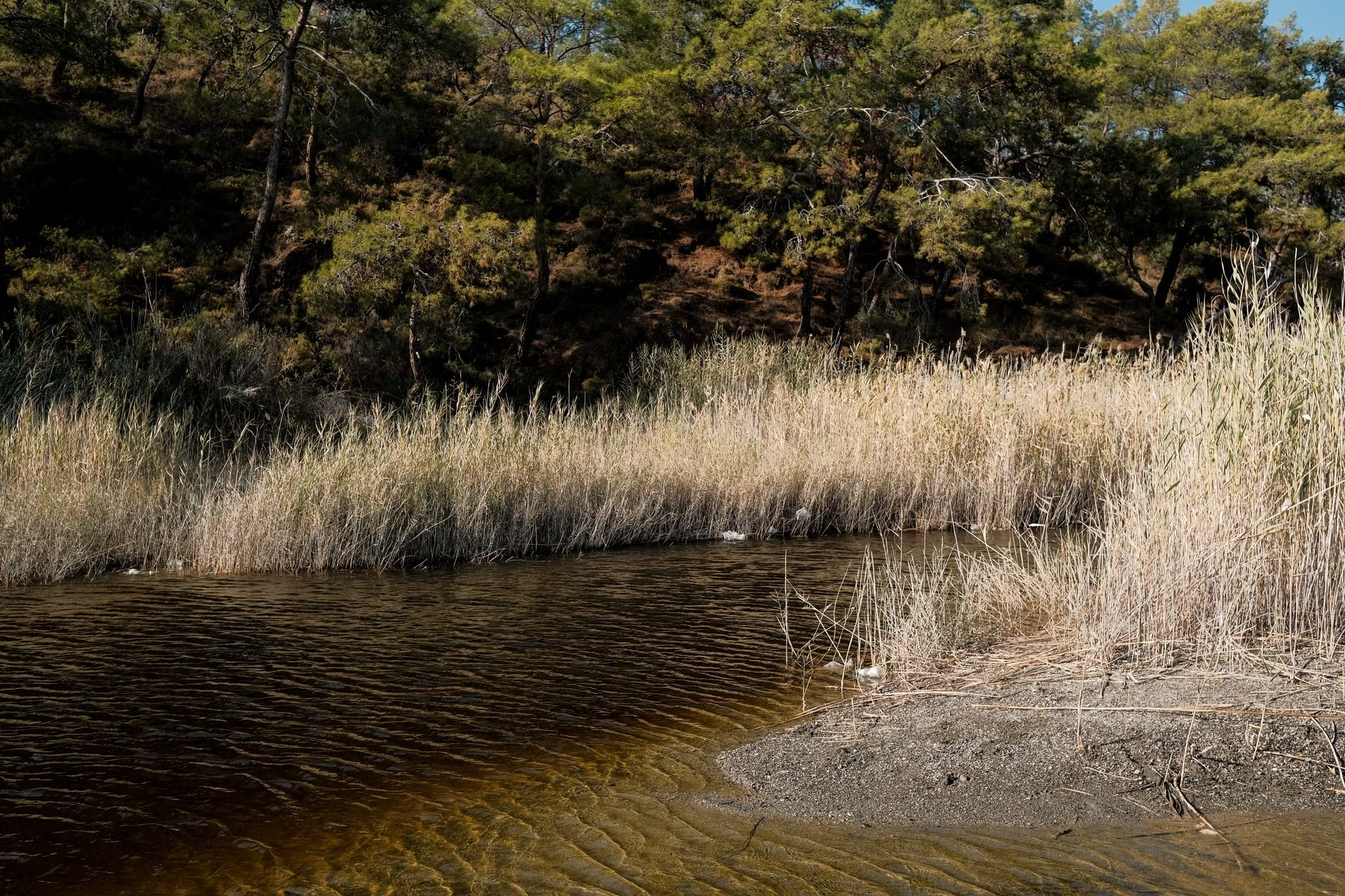
A Continent Under Pressure
Europe is currently experiencing one of its most severe droughts in centuries, a phenomenon that is profoundly altering landscapes and disrupting critical infrastructure. Record-breaking heatwaves have contributed to critically low water levels in major rivers, which are the lifeblood of the continent’s economy and energy supply. This environmental crisis is not merely a seasonal inconvenience; it represents a significant challenge with cascading effects across various sectors, from transportation and industry to agriculture and energy production.
The severity of the situation has prompted urgent discussions and actions among European leaders, as the long-term implications of such widespread water scarcity become increasingly apparent. The current conditions are widely considered to be the worst in at least 500 years, underscoring the extraordinary nature of the environmental pressures facing the region.
The Lifelines of Europe: Major Rivers in Peril
Key waterways such as the Rhine, Danube, Po, and Loire, which are vital for shipping, irrigation, and power generation, are experiencing alarmingly low water levels. The Rhine, a crucial artery for Germany and other nations, has seen its water levels drop to historic lows, particularly at critical points like Kaub. This reduction directly impedes the movement of goods, as barges are unable to carry their full capacity, leading to increased transport costs and delays.
Similarly, the Danube, traversing multiple countries, and the Po River in Italy, a lifeline for agriculture, are also significantly depleted. France’s Loire River, known for its scenic beauty and historical chateaux, is so shallow in places that it can be crossed on foot. These conditions highlight a widespread hydrological stress across the continent, impacting both natural ecosystems and human activities.
Economic Fallout: Supply Chains and Industry
The impact on European economies is substantial and multifaceted. The shipping industry, particularly barge operators on the Rhine, faces immense challenges. With reduced cargo capacity, the cost of transporting essential commodities like coal, chemicals, and grain escalates dramatically. This forces businesses to seek more expensive alternative transport methods, such as rail or road, which are not always feasible or cost-effective for bulk goods.
Industrial operations that rely on river transport for raw materials or finished products are experiencing disruptions. Factories that depend on a steady supply of river water for cooling or processing are also vulnerable. The ripple effect of these logistical bottlenecks can lead to higher consumer prices, reduced industrial output, and potential supply chain vulnerabilities across the continent.
Energy Sector Under Strain
The drought significantly exacerbates Europe’s existing energy challenges. Hydroelectric power generation, a clean and renewable energy source, is severely curtailed due to insufficient water flow. Countries like Norway and France, which rely heavily on hydropower, are seeing reduced output, forcing them to seek alternative, often more carbon-intensive, energy sources.
Nuclear power plants also face difficulties. These facilities require vast amounts of river water for cooling their reactors. Low water levels or elevated river temperatures can force plants to reduce their output or even temporarily shut down to prevent overheating and comply with environmental regulations regarding the temperature of discharged water. France’s EDF, a major nuclear operator, has been particularly affected, having to scale back production at several plants. Furthermore, the transport of coal to power plants, essential for electricity generation in some nations, is hampered by the shipping crisis on rivers like the Rhine, threatening energy security.
Agricultural and Environmental Consequences
The agricultural sector is bearing a heavy burden from the prolonged drought. Crop yields are significantly reduced across vast swathes of Europe, leading to concerns about food security and higher food prices. Farmers are struggling with parched fields and limited irrigation options, impacting staples like corn, wheat, and other essential crops.
Beyond agriculture, the environmental consequences are profound. Aquatic ecosystems are under severe stress, with fish populations and other wildlife struggling to survive in shrinking, warmer waters. The exposure of riverbeds is also revealing historical artifacts and unexploded ordnance from past conflicts, posing additional challenges and safety concerns.
Governmental Responses and Future Outlook
European governments are implementing various measures to mitigate the crisis. Germany, for instance, has prioritized rail transport for essential goods like coal to ensure power plant operations. France has temporarily relaxed regulations on the temperature of water discharged from nuclear power plants to allow continued operation, albeit with environmental trade-offs.
While these are immediate responses, the long-term outlook suggests that such extreme weather events may become more frequent and intense due to climate change. Scientists warn that the current drought is not an isolated incident but rather a symptom of broader climatic shifts. This necessitates a fundamental reassessment of water management strategies, infrastructure resilience, and energy policies across Europe.
Adapting to a Changing Climate
The current crisis serves as a stark reminder of Europe’s vulnerability to climate change and the interconnectedness of its natural systems with its economic and social well-being. Adapting to a future with more frequent and severe droughts will require significant investment in water conservation technologies, diversification of energy sources, and the development of more resilient supply chains. Collaborative efforts across nations will be crucial to manage shared water resources effectively and build a more sustainable and climate-resilient continent.















Leave a Reply