


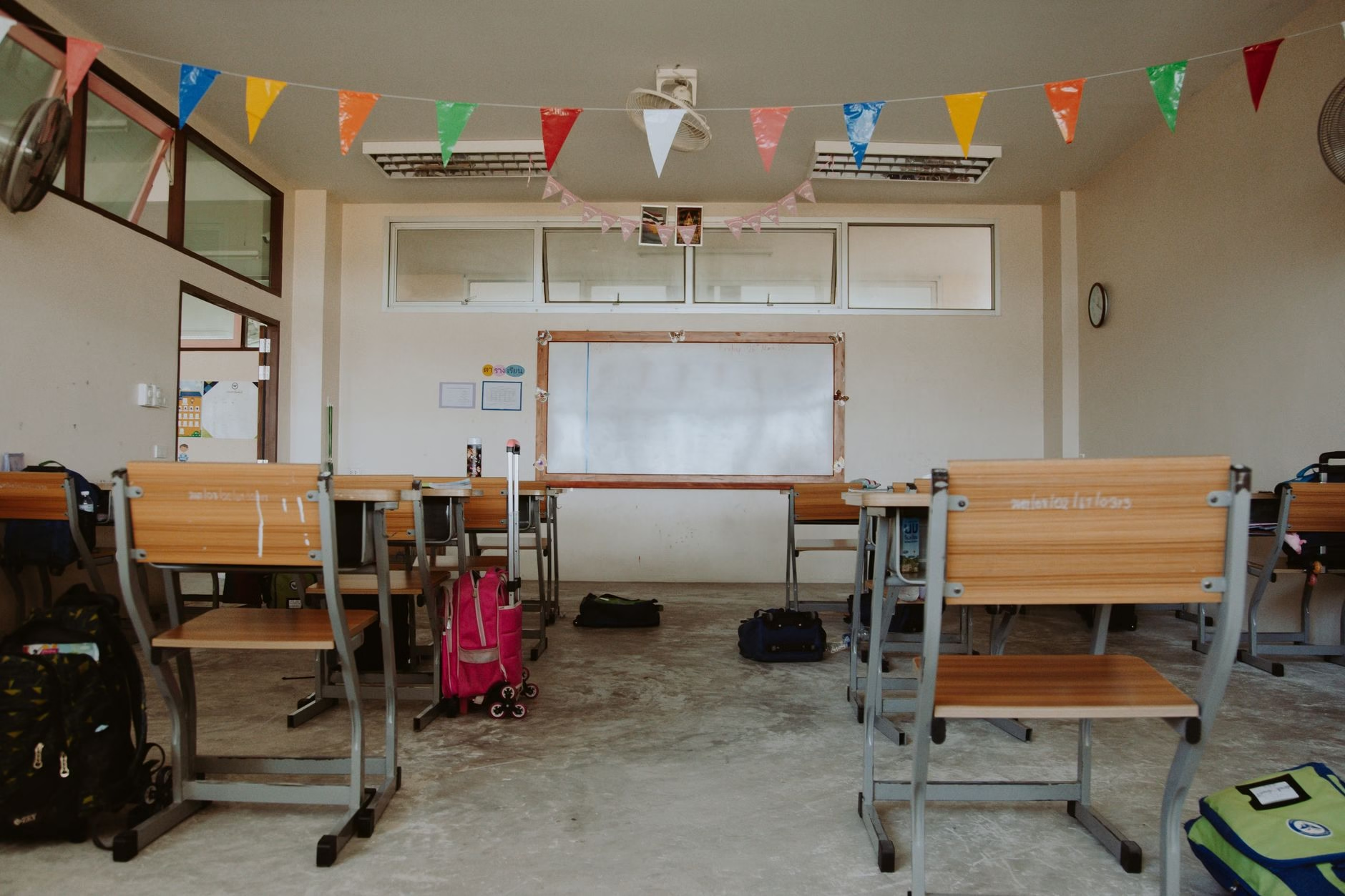
A profound sense of sorrow has enveloped a community in Thailand following a devastating incident at a local school. The tragic event resulted in the loss of five dedicated school staff members, whose lives were cut short in an unforeseen act of violence. Beyond the immediate fatalities, the incident left more than twenty individuals injured, with ten reportedly in critical condition, underscoring the severe impact on the victims and their families. This calamitous occurrence has sent shockwaves through the nation, prompting an outpouring of grief and concern for those affected. The gravity of the situation highlights the urgent need for support for the survivors and a comprehensive understanding of the circumstances surrounding such a distressing event.
The Immediate Aftermath of the Incident
In the wake of such a sudden and violent event, the immediate scene is often characterized by chaos and an urgent response from emergency services. First responders, including medical personnel and law enforcement, typically converge rapidly to provide critical aid to the injured and secure the area. The priority in these initial hours is to attend to those with life-threatening injuries, transport them to medical facilities, and ensure the safety of anyone still within the affected premises. The swift coordination of these efforts is paramount in mitigating further harm and providing immediate care. Eyewitnesses and survivors often experience profound shock and disorientation, requiring immediate psychological first aid alongside physical treatment. The initial hours are crucial not only for medical intervention but also for establishing a sense of security and beginning the process of understanding what transpired.
Impact on the School Community
The direct impact of a school tragedy reverberates deeply within its community, particularly among students, faculty, and staff. The loss of five staff members represents a significant void, affecting the daily operations and the emotional fabric of the institution. These individuals often play multifaceted roles, serving not only as educators or administrators but also as mentors, confidants, and pillars of support for students. Their absence leaves an indelible mark, and the process of grieving their loss becomes a collective burden for the entire school population. For the injured, the path to recovery can be long and arduous, encompassing both physical healing and psychological rehabilitation. Students, even those physically unharmed, may grapple with feelings of fear, anxiety, and insecurity, requiring sustained support to process the trauma and regain a sense of normalcy within their learning environment. The incident transforms the school from a place of learning into a site of profound remembrance and healing.
Community Response and Resilience
In times of immense tragedy, communities frequently demonstrate remarkable resilience and solidarity. Following an event of this magnitude, there is typically an immediate outpouring of support for the victims, their families, and the wider school community. Local residents, community organizations, and government agencies often mobilize resources to provide assistance, ranging from financial aid to counseling services. Vigils and memorial gatherings may be organized to honor the lives lost and to provide a space for collective grieving and remembrance. This collective response serves as a vital mechanism for healing, allowing individuals to share their sorrow, offer comfort, and reinforce the bonds that hold the community together. The shared experience of loss, while deeply painful, can also foster a renewed sense of unity and determination to support one another through difficult times.
Broader Implications for School Safety
Tragedies occurring within educational settings invariably ignite broader discussions about school safety and security protocols. Such incidents serve as stark reminders of the vulnerabilities that can exist within institutions designed to be sanctuaries for learning. Governments, educational authorities, and parents often re-evaluate existing security measures, considering enhancements such as improved access control, surveillance systems, and emergency response plans. The debate extends beyond physical security to encompass the importance of fostering a supportive and inclusive school culture, where potential threats can be identified and addressed proactively. These discussions are not confined to the immediate locality but often resonate nationally and internationally, as societies grapple with the complex challenge of safeguarding their educational environments from violence.
Addressing Trauma and Long-Term Recovery
The psychological repercussions of a school shooting extend far beyond the immediate aftermath, affecting survivors, witnesses, and the broader community for years to come. Trauma can manifest in various ways, including post-traumatic stress, anxiety, depression, and difficulty concentrating. Providing accessible and sustained mental health support is crucial for helping individuals cope with these challenges. This includes grief counseling for those who lost loved ones, trauma-informed care for survivors and witnesses, and psychological support for students and staff returning to the school environment. Long-term recovery is a gradual process that requires patience, empathy, and a comprehensive network of support services. Educational institutions often implement programs designed to foster emotional well-being and resilience, recognizing that healing is a journey that requires continuous attention and care.
Preventative Measures and Future Considerations
Preventing future tragedies in schools requires a multi-faceted approach that addresses both immediate security concerns and underlying societal factors. This includes implementing robust security measures such as controlled access points, trained security personnel, and clear emergency lockdown procedures. Beyond physical security, a significant focus is often placed on early intervention and threat assessment programs, designed to identify individuals who may pose a risk to themselves or others and provide them with appropriate support. Promoting mental health awareness and access to services within schools is also paramount, as addressing psychological distress can be a crucial preventative step. Educational campaigns aimed at fostering a culture of reporting suspicious behavior and encouraging open communication among students, staff, and parents are also vital components of a comprehensive prevention strategy. The goal is to create environments where students feel safe, supported, and empowered to thrive.
Conclusion
The recent school tragedy in Thailand, which claimed the lives of five staff members and left many more injured, stands as a somber reminder of the profound vulnerability of educational institutions to acts of violence. The incident has not only inflicted immense pain and loss upon the immediate community but has also underscored the universal imperative to prioritize safety, foster resilience, and provide unwavering support to those affected by such devastating events. As the community embarks on the long path of healing and recovery, the collective commitment to enhancing school safety, addressing trauma, and nurturing a culture of care remains paramount. The memory of those lost serves as a powerful impetus for ongoing efforts to ensure that schools remain havens of learning and growth for all.






















Leave a Reply