


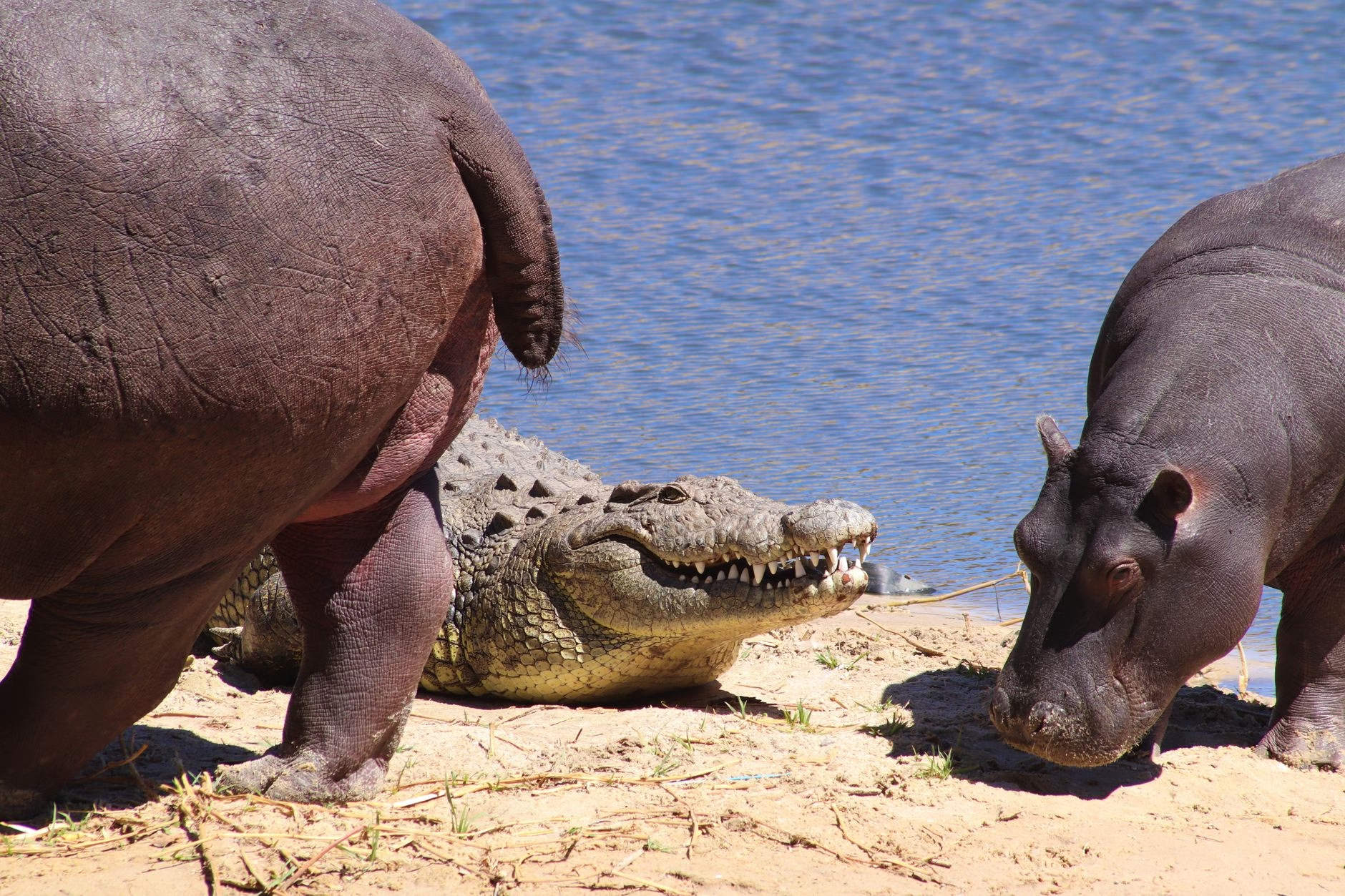
A recent incident in northern Botswana, where a tourist boat was compelled to outmaneuver a charging hippopotamus, serves as a powerful reminder of the untamed nature of Africa’s wilderness. Such occurrences, while rare, underscore the critical importance of understanding wildlife behavior and adhering to stringent safety protocols during safari adventures. This event highlights the dynamic relationship between humans and the natural world, particularly in environments teeming with powerful animals like the hippopotamus.
Botswana is renowned globally for its pristine landscapes and abundant wildlife, offering unparalleled opportunities for immersive nature experiences. However, these expeditions into the wild demand respect for the inhabitants of these ecosystems and a proactive approach to safety. The incident provides a valuable opportunity to delve deeper into the characteristics of hippos, the allure of Botswana’s safaris, and the measures necessary to ensure both thrilling and secure wildlife encounters.
Understanding the Formidable Hippopotamus
The hippopotamus, or ‘river horse,’ is an iconic African mammal, yet its placid appearance often belies its true nature. These semi-aquatic giants are among the most dangerous animals on the continent, responsible for more human fatalities than any other large mammal in Africa. They are highly territorial, especially in water, and can be incredibly aggressive when they feel threatened or when protecting their young.
Hippos spend their days submerged in rivers, lakes, and swamps, emerging at night to graze on land. Despite their massive size, they are surprisingly agile and fast, both in water and over short distances on land. Their powerful jaws and sharp tusks are formidable weapons, capable of inflicting severe damage. Understanding these behavioral traits is fundamental for anyone venturing into their habitat.
Botswana’s Premier Safari Destinations
Botswana stands as a beacon for wildlife enthusiasts, celebrated for its commitment to high-value, low-impact tourism. The country boasts magnificent natural reserves such as the Okavango Delta, a UNESCO World Heritage site, and Chobe National Park, famous for its vast elephant herds. These regions offer diverse safari experiences, including traditional game drives, walking safaris, and particularly, water-based excursions.
Water safaris, conducted in motorboats or traditional mokoro canoes, provide a unique perspective on the aquatic ecosystems. They allow visitors to glide silently through waterways, observing wildlife from a different vantage point. However, these experiences also place tourists in close proximity to animals like hippos and crocodiles, necessitating heightened awareness and expert guidance.
Navigating Water-Based Safaris Safely
Boat safaris in Botswana’s water-rich areas, such as the Okavango Delta and the Chobe River, are incredibly popular. They offer breathtaking views of hippos, crocodiles, and a myriad of birdlife. The thrill of observing these creatures in their natural habitat is undeniable, but it comes with inherent responsibilities for both tour operators and visitors.
Experienced guides are the cornerstone of safe water safaris. Their extensive knowledge of animal behavior, local waterways, and emergency procedures is invaluable. They are trained to interpret animal signals, anticipate potential risks, and react swiftly to ensure the safety of their passengers. Tourists must place their trust in these professionals and strictly adhere to all instructions provided.
Prioritizing Safety in Wildlife Encounters
Safety on any wildlife safari is paramount. The incident involving the charging hippo underscores several key safety principles. Firstly, maintaining a respectful distance from wild animals is crucial. While guides aim to provide excellent viewing opportunities, they must always prioritize the animals’ comfort and safety, as well as that of the tourists.
Secondly, the unpredictable nature of wild animals means that even seemingly calm situations can change rapidly. Tourists should remain seated, keep noise levels to a minimum, and avoid any actions that might provoke or startle wildlife. The objective is to observe without interfering, allowing animals to behave naturally in their environment.
Understanding Hippo Aggression Triggers
Hippos are territorial animals, and their aggression is often a defensive response. They may charge boats if they perceive them as a threat to their space, their young, or themselves. Factors such as a boat inadvertently coming too close, blocking an escape route, or making sudden movements can trigger an aggressive reaction.
When a hippo charges, its speed and power are astonishing. A boat operator’s ability to react quickly and decisively, as demonstrated in the Botswana incident, is critical for avoiding serious harm. This highlights the necessity for well-maintained vessels, experienced operators, and clear emergency protocols to be in place for all water-based safaris.
Responsible Tourism and Conservation Efforts
The incident also serves as a reminder of the broader context of responsible tourism. Choosing reputable safari operators who prioritize ethical wildlife viewing and conservation is essential. These operators typically invest in guide training, adhere to strict safety standards, and contribute to local conservation initiatives.
Responsible tourism ensures that wildlife encounters remain sustainable and beneficial for both the local communities and the animal populations. By supporting such practices, visitors contribute to the preservation of Botswana’s unique ecosystems and help ensure that future generations can also experience the wonder of its wild inhabitants.
Conclusion
Experiencing the wildlife of Botswana is an extraordinary privilege, offering profound connections with nature. While the thrill of encountering magnificent creatures like the hippopotamus is a highlight, it is vital to approach these experiences with an understanding of the inherent risks and a deep respect for the wild. The recent incident in northern Botswana, though startling, reinforces the importance of expert guidance, adherence to safety guidelines, and a continuous appreciation for the powerful, untamed beauty of the African wilderness. By embracing responsible tourism, visitors can ensure their safaris are not only unforgettable but also safe and sustainable.






















Leave a Reply