


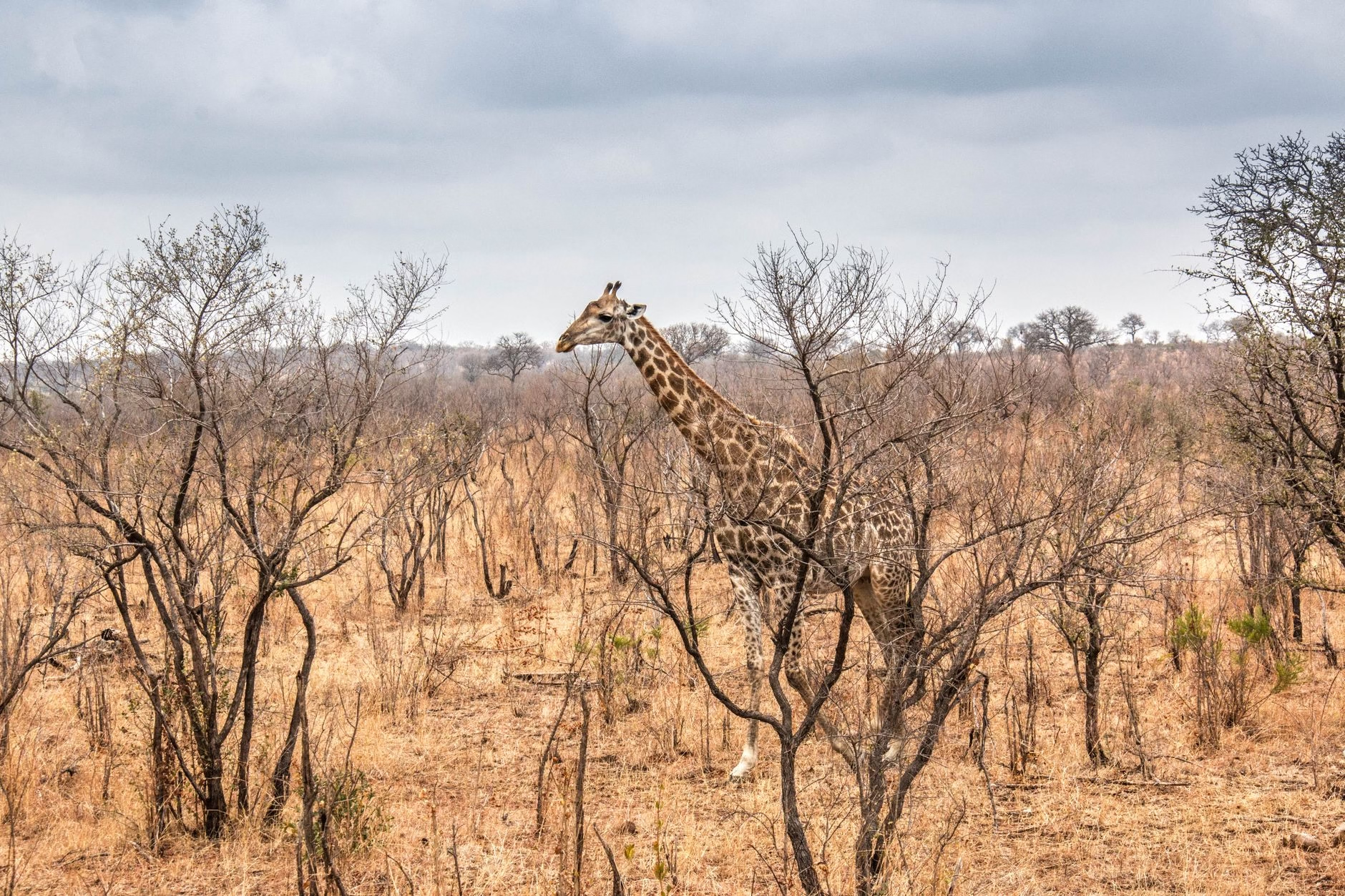
The landscape of wildlife conservation and tourism in South Africa is undergoing a significant transformation. A notable trend involves the repurposing of land previously designated for hunting into exclusive luxury safari retreats. This strategic shift represents a broader commitment to sustainable tourism and ethical wildlife management, offering visitors an immersive experience rooted in preservation rather than extraction. The conversion of such areas into high-end photographic safari destinations underscores an evolving understanding of how best to protect biodiversity while simultaneously contributing to local economies.
The Evolution of Wildlife Tourism
For decades, South Africa has been renowned for its diverse ecosystems and abundant wildlife, attracting visitors from across the globe. Historically, various forms of tourism, including hunting, played a role in land management and revenue generation for private reserves. However, global perspectives on conservation and animal welfare have evolved considerably. There is a growing demand for tourism models that prioritize the well-being of wildlife and contribute directly to ecological restoration. This societal shift has propelled many landowners and conservationists to re-evaluate traditional practices and embrace more sustainable alternatives.
The transition from a hunting reserve to a luxury safari retreat is a complex undertaking, requiring substantial investment in infrastructure, ecological rehabilitation, and staff training. It signifies a deliberate move towards a non-consumptive form of tourism, where the value of wildlife is recognized in its living state. This approach aligns with modern conservation principles that advocate for the protection of species and habitats through responsible tourism. The objective is to create environments where animals can thrive undisturbed, offering guests unparalleled opportunities for observation and appreciation.
From Hunting Grounds to Haven
The transformation process typically involves several key stages. Initially, a comprehensive ecological assessment is conducted to understand the existing biodiversity and identify areas requiring rehabilitation. This may include removing fences that impede natural migration routes, reintroducing indigenous plant species, and implementing anti-poaching measures. The focus shifts from managing wildlife for hunting quotas to fostering a balanced ecosystem where natural processes can flourish. This often leads to an increase in wildlife populations and a healthier environment overall.
Establishing a luxury safari retreat also entails developing high-quality accommodation and services designed to meet the expectations of discerning travelers. This includes constructing elegant lodges, private villas, and tented camps that blend seamlessly with the natural surroundings. The emphasis is on providing comfort, exclusivity, and an authentic connection to the wilderness. Expert guides, often with extensive knowledge of the local flora and fauna, lead guests on game drives, walking safaris, and bird-watching excursions, enhancing the educational and experiential aspects of the visit.
The Luxury Safari Experience
A luxury safari retreat offers more than just game viewing; it provides an holistic experience designed to rejuvenate the mind, body, and spirit. Guests can expect personalized service, gourmet dining featuring locally sourced ingredients, and a range of amenities such as spas, infinity pools, and private viewing decks. The design of these retreats often incorporates sustainable building practices and renewable energy sources, further reinforcing their commitment to environmental stewardship. Every detail is meticulously crafted to ensure a memorable and impactful stay.
The core of the luxury safari experience remains the opportunity to witness Africa’s iconic wildlife in their natural habitat. From the majestic “Big Five” – lion, leopard, elephant, rhino, and buffalo – to a myriad of bird species and smaller creatures, the biodiversity is astounding. Ethical viewing practices are paramount, ensuring that animal behavior is not disrupted. This respectful approach allows for genuine encounters, fostering a deeper appreciation for the intricate web of life within these protected areas. The quiet moments spent observing a herd of elephants at a watering hole or a leopard camouflaged in a tree are often the most profound.
Conservation and Community Impact
One of the most compelling aspects of converting hunting reserves into luxury safari retreats is the significant positive impact on conservation efforts. The revenue generated from high-end tourism provides crucial funding for anti-poaching initiatives, habitat restoration projects, and wildlife monitoring programs. Unlike hunting, which removes animals from the ecosystem, photographic safaris generate value from animals remaining alive and thriving. This economic incentive directly supports the long-term viability of wildlife populations and their habitats.
Furthermore, these retreats often play a vital role in local community development. They create employment opportunities for local residents, ranging from lodge staff and guides to chefs and artisans. Many establishments also invest in community projects, such as schools, clinics, and infrastructure development, thereby improving the quality of life for neighboring populations. This symbiotic relationship between conservation, tourism, and community empowerment is essential for the sustained success of these initiatives. By involving local communities, a sense of ownership and responsibility for conservation is fostered, creating a more robust and resilient framework for wildlife protection.
The Future of South African Safaris
The trend of transforming former hunting reserves into luxury safari retreats signals a promising future for South African conservation and tourism. It reflects a global movement towards more responsible and ethical travel, where experiences are valued not just for their exclusivity but also for their positive impact. As travelers become increasingly conscious of their environmental footprint and the ethical implications of their choices, destinations that prioritize conservation and sustainability will continue to gain prominence.
South Africa, with its rich natural heritage and established tourism infrastructure, is well-positioned to lead this charge. The ongoing conversion of land from consumptive to non-consumptive uses demonstrates a forward-thinking approach that benefits wildlife, local communities, and the global conservation agenda. These luxury safari retreats are not merely places to stay; they are vital sanctuaries contributing to the preservation of one of the world’s most precious natural treasures. They offer a compelling vision for how tourism can be a powerful force for good, ensuring that future generations can continue to marvel at the wonders of the African wilderness.
Conclusion
The transformation of former hunting reserves into luxury safari retreats in South Africa marks a pivotal moment in the nation’s conservation journey. This strategic evolution underscores a commitment to ethical tourism, ecological restoration, and community empowerment. By offering unparalleled wildlife experiences within a framework of sustainability, these retreats are redefining the essence of a safari. They stand as beacons of hope, demonstrating that economic prosperity and environmental preservation can indeed go hand in hand, securing a vibrant future for South Africa’s magnificent wildlife and its people.


















Leave a Reply