


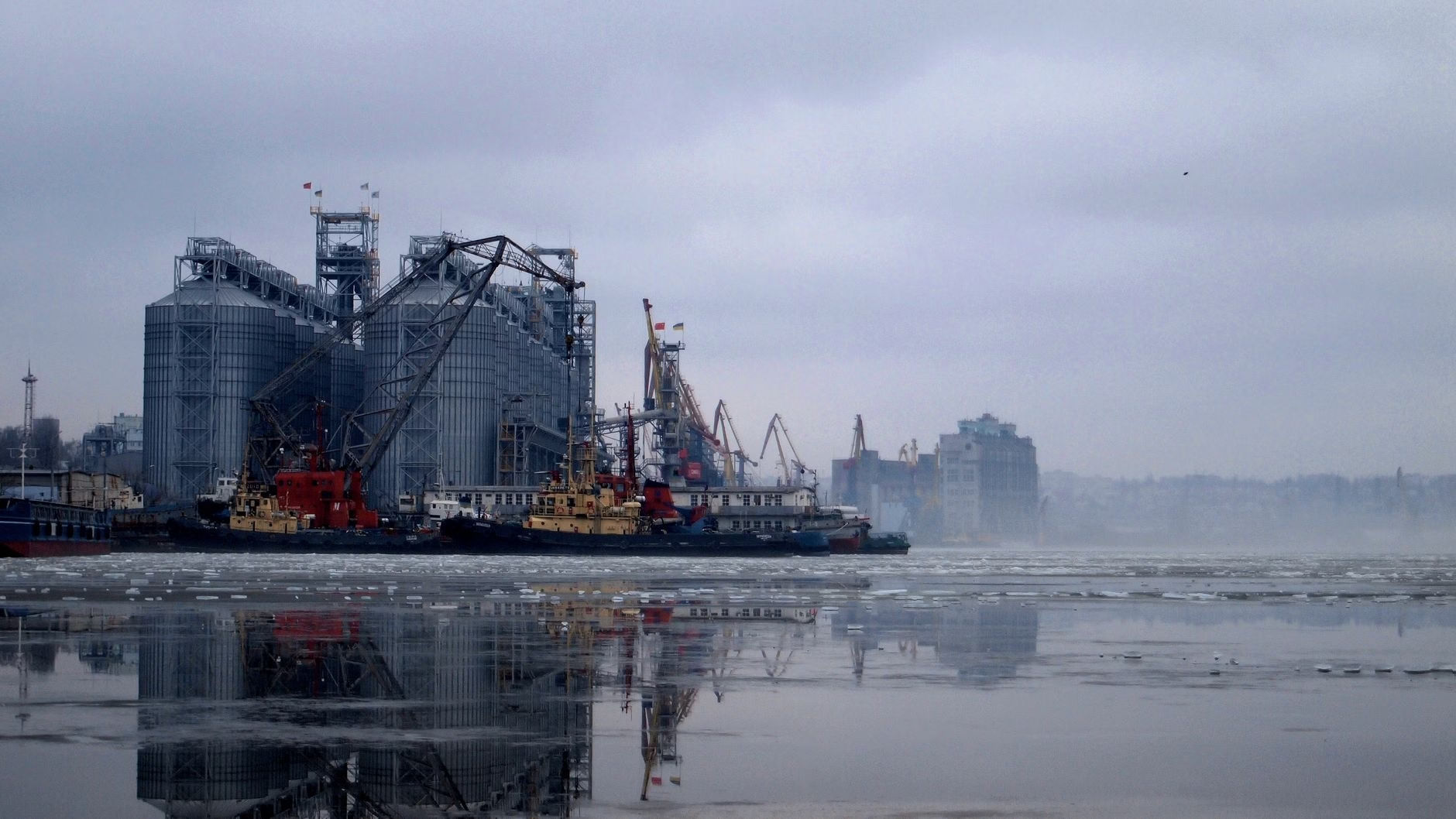
Ukrainian officials have issued a significant statement regarding a recent maritime incident, asserting that a grain vessel operating in the region was subjected to an attack directly attributable to Russian forces. This serious allegation carries profound implications, particularly considering the vital role that grain shipments from Ukrainian ports play in maintaining global food security and stability. The announcement from Kyiv immediately draws international attention to the ongoing challenges in maritime navigation within conflict zones.
The official communication from Ukraine provides specific details concerning the tragic human cost of the alleged assault. It unequivocally states that one individual onboard the attacked grain ship was killed. Furthermore, the report indicates that three other persons sustained various injuries during the incident. While the initial public announcements have not elaborated on the precise circumstances surrounding these casualties, such as the identities of those affected, the nature of their injuries, or the exact method of the attack, the declaration itself highlights a grave concern for human life and safety at sea.
This reported attack on a civilian cargo ship, especially one involved in the transport of essential foodstuffs, is a matter of immediate and serious international concern. Global maritime organizations, humanitarian agencies, and nations heavily reliant on the stability of shipping routes are likely to view such an incident with alarm. The principle of ensuring the safety of commercial vessels and their crews is a cornerstone of international maritime law, and any perceived violation of this principle can lead to widespread condemnation and calls for accountability.
The allegations made by Ukraine against Russia regarding this specific event underscore the persistent volatility and inherent dangers present in the operational environment of the Black Sea. This region, serving as a crucial artery for international trade, has been a focal point of geopolitical tensions, particularly concerning the movement of agricultural products. Diplomatic efforts to establish and maintain secure corridors for these critical exports have been a continuous and often challenging endeavor, reflecting the high stakes involved for global supply chains.
An incident resulting in fatalities and injuries on a grain ship, as reported by Ukrainian authorities, starkly highlights the severe risks encountered by those involved in maritime transport within conflict-affected areas. It also raises critical questions about adherence to international protocols and humanitarian laws designed to protect civilian shipping and prevent harm to non-combatants. Such events can erode trust in international agreements and exacerbate existing geopolitical tensions.
The Broader Context of Black Sea Grain Exports
The Black Sea has historically been a pivotal waterway for the global grain trade. Ukraine, often referred to as the “breadbasket of Europe,” is a major exporter of wheat, corn, and sunflower oil, among other agricultural products. The disruption of these exports, whether through blockades, attacks, or general insecurity, has immediate and far-reaching consequences for global food prices and food security, particularly impacting vulnerable nations in Africa and the Middle East.
Following the full-scale invasion, the security of these maritime routes became a critical international issue. Agreements, such as the Black Sea Grain Initiative, were brokered to create safe corridors for commercial vessels carrying foodstuffs, aiming to alleviate a potential global food crisis. These initiatives, while providing temporary relief, have often been fragile, subject to political tensions and renewed hostilities. Incidents like the one reported by Ukraine underscore the precarious nature of such arrangements and the constant threat faced by shipping in the region. The international community has repeatedly called for the protection of these vital supply lines, recognizing their humanitarian and economic importance. Any action that jeopardizes these routes directly threatens global food stability and can lead to heightened diplomatic tensions.
International Response and Accountability
The international community is expected to monitor this situation closely, awaiting further details and seeking independent verification where such processes are feasible. Calls for thorough and impartial investigations into serious allegations of this nature are standard practice, serving to establish facts, identify responsible parties, and ensure that accountability is upheld. The broader implications of such an event extend beyond the immediate human cost, potentially affecting global insurance rates for shipping, influencing preferred maritime routes, and impacting the willingness of crews and shipping companies to operate in the region.
This reported assault, if confirmed through independent channels, would represent a significant and concerning escalation of risks to maritime commerce and human life. The protection of essential shipping lanes and the paramount safety of seafarers remain critical concerns for all international stakeholders. The focus will undoubtedly remain on gathering comprehensive information regarding the incident, understanding its full impact on the individuals involved, and assessing its broader ramifications for regional and global stability, particularly concerning the flow of vital food supplies. The international community consistently emphasizes the importance of upholding international law and protecting civilian infrastructure during conflicts.





















Leave a Reply