


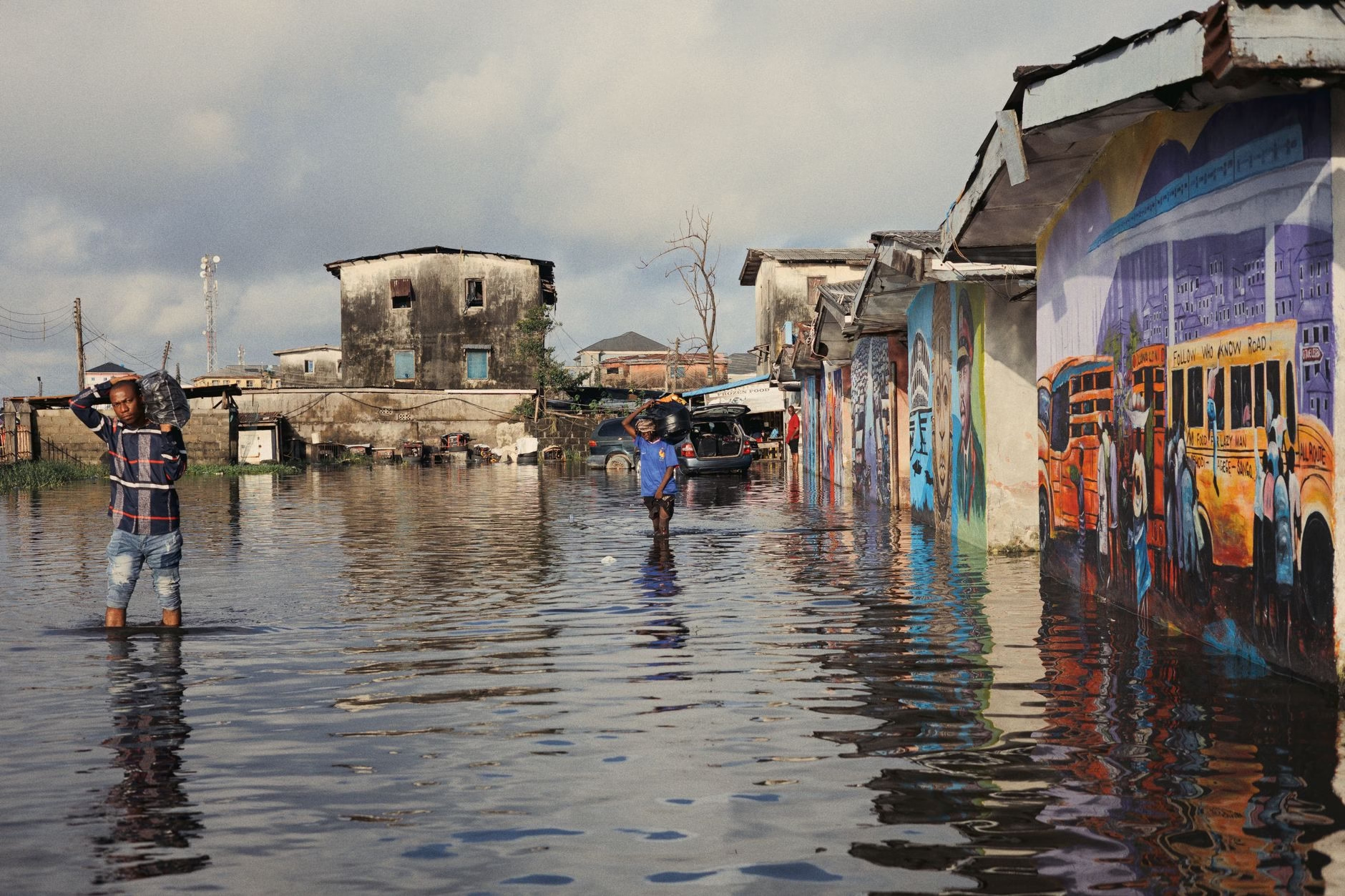
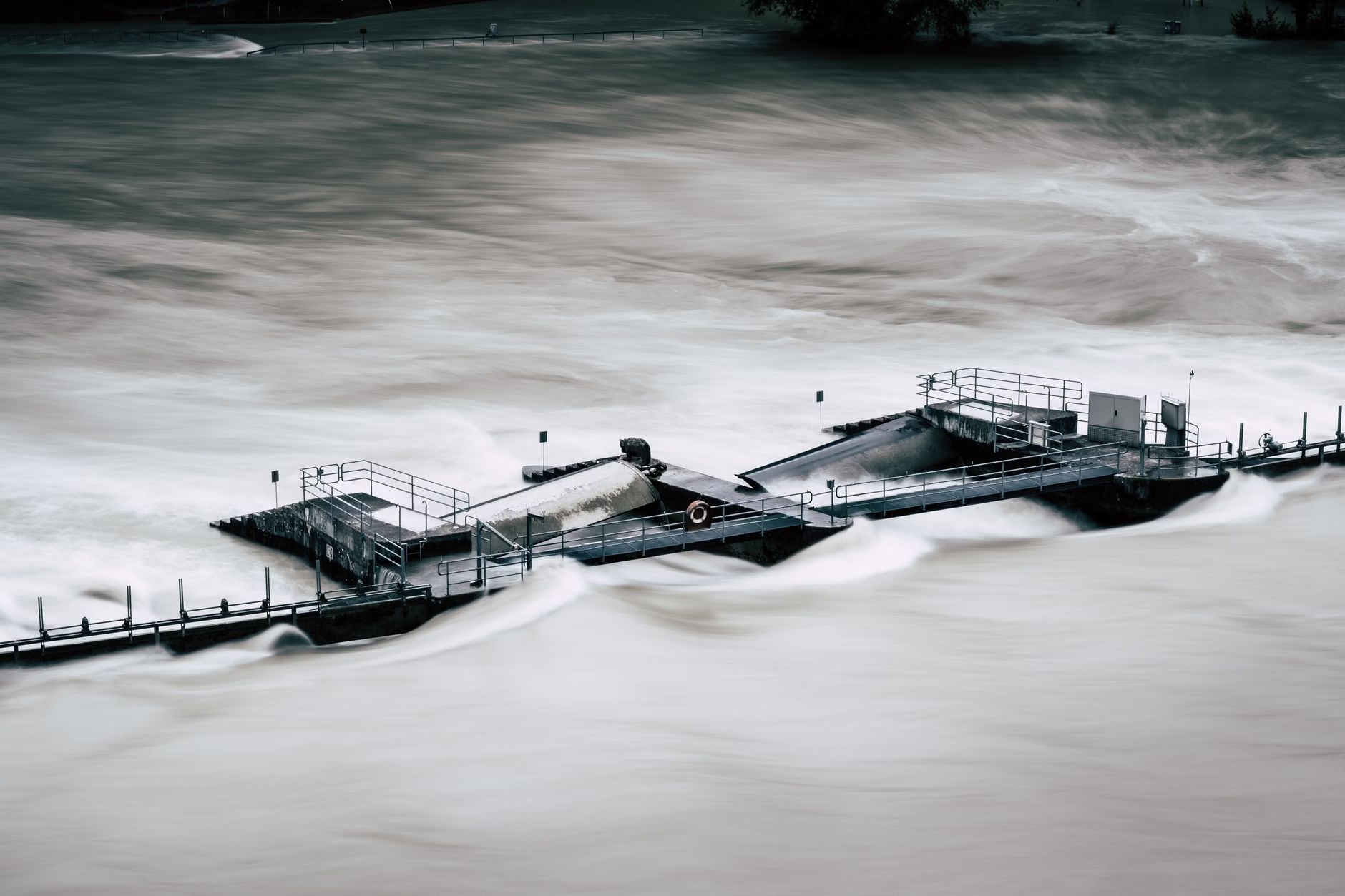
Natural disasters, particularly widespread flooding, frequently plunge communities into chaos and uncertainty. In such critical times, the rapid dissemination of accurate information becomes paramount for public safety and effective emergency response. However, these periods of crisis are also fertile ground for the spread of misinformation, often through the misattribution of visual content. Across West Africa, a region highly susceptible to seasonal deluges, the challenge of distinguishing authentic, contextually relevant footage from misleading videos poses a significant hurdle for both authorities and citizens alike. The phenomenon of videos originating from one location, such as Ghana, being erroneously presented as scenes from another, like Lagos, Nigeria, highlights a persistent issue in the digital age. This practice not only generates unnecessary panic but can also divert crucial attention and resources away from areas genuinely in need, undermining coordinated relief efforts.
The Digital Landscape and Information Spread
The advent of social media platforms has revolutionized how news and information travel, particularly during unfolding events. In moments of crisis, individuals often turn to these platforms for real-time updates, to share their experiences, or to seek assistance. While this connectivity can be a powerful tool for community mobilization and rapid communication, it also presents a double-edged sword. The ease with which videos and images can be shared, often without proper verification or contextualization, means that unverified or misleading content can go viral within minutes. The emotional intensity of disaster footage further accelerates its spread, as users, driven by concern or a desire to inform, may share content without critically assessing its origin or relevance. This creates a complex information environment where truth and falsehood can become inextricably intertwined, making it difficult for the public to discern reliable sources.
The Impact of Misattributed Content
The consequences of misattributed videos during natural disasters are far-reaching and detrimental. At a fundamental level, such content can induce widespread panic in communities that are not actually affected by the depicted events, leading to unnecessary fear and anxiety. Conversely, it can desensitize individuals to the true scale of a disaster if they repeatedly encounter sensationalized or out-of-context footage. More critically, misattributed videos can severely impede emergency response efforts. When images purporting to show severe flooding in one city are actually from another, emergency services, aid organizations, and government agencies might misallocate resources, sending help to the wrong locations or underestimating the severity of the actual crisis zones. This misdirection of aid can have dire consequences, delaying assistance to those genuinely imperiled and exacerbating humanitarian suffering. Furthermore, the constant exposure to false information erodes public trust in official communications and traditional media outlets, making it harder for vital safety messages to resonate effectively.
Why Misattribution Occurs
Several factors contribute to the prevalence of misattributed content during crises. One primary reason is the rapid pace of information sharing, where the impulse to be the first to report or share often overrides the need for verification. In the absence of immediate official updates, people may rely on user-generated content, which can be easily manipulated or misinterpreted. Another common cause is the recirculation of old footage. Videos from past floods or disasters, sometimes even from different regions or countries, are frequently re-shared during new events, mistakenly or intentionally presented as current scenes. Lack of geographical markers or clear timestamps in many videos makes it challenging for the average viewer to ascertain their true origin. In some instances, misattribution can be a deliberate act of disinformation, aimed at sowing discord, discrediting authorities, or achieving political objectives. However, often it is simply a result of genuine human error, a well-intentioned but misguided attempt to inform others.
The Specific Context of West Africa
West Africa is particularly vulnerable to the challenges posed by seasonal flooding, a phenomenon exacerbated by climate change and rapid, often unplanned, urbanization. Cities like Lagos, a sprawling metropolis built on low-lying coastal plains, and numerous communities across Ghana, regularly contend with heavy rainfall and inadequate drainage infrastructure. These conditions make them highly susceptible to inundation, creating a recurring cycle of disaster and recovery. The high population density in many urban centers, coupled with increasing internet and smartphone penetration, means that when floods strike, a vast amount of visual content is generated and shared almost instantaneously. This digital environment, while offering avenues for communication and support, also amplifies the risk of misattribution. The shared regional context of West Africa, with similar landscapes and challenges, can sometimes make it easier for viewers to mistakenly accept footage from one country as being from another, especially when specific identifying landmarks are not visible.
Strategies for Verification
Combating the spread of misattributed flood videos requires a multi-faceted approach involving technology, media literacy, and collaborative efforts. Fact-checking organizations play a crucial role by actively monitoring social media, identifying viral content, and using digital forensics tools to verify the authenticity and context of videos. Techniques such as reverse image searches, analyzing metadata, scrutinizing background details for geographical clues, and cross-referencing with satellite imagery or local news reports are essential. Promoting media literacy among the general public is equally vital. Educational initiatives can empower individuals to critically evaluate the content they encounter online, encouraging them to question sources, look for corroborating evidence, and be wary of emotionally charged or sensationalized posts. Official government and emergency response agencies also bear a responsibility to provide timely, accurate, and easily accessible information, establishing themselves as trusted sources during crises.
Role of Citizens and Platforms
Individual citizens have a significant role to play in curbing the spread of misinformation. Before sharing any content, especially during a crisis, it is imperative to pause and verify its authenticity. Simple steps like checking the source, looking for multiple reports from credible news outlets, and being skeptical of content that lacks specific details or appears overly dramatic can make a substantial difference. Reporting potentially false or misleading content to platform administrators is another crucial action. Social media companies, in turn, have a responsibility to implement robust policies and technological solutions to identify and flag misinformation more effectively. This includes investing in AI-driven content moderation, partnering with fact-checkers, and providing clear mechanisms for users to report dubious content. Their proactive efforts are essential in creating a safer and more reliable information ecosystem during times of emergency.
Conclusion
The challenge of misattributed flood videos in West Africa, exemplified by instances where footage from Ghana is mistakenly shared as scenes from Lagos, underscores a broader global issue of misinformation during natural disasters. While the digital age offers unprecedented opportunities for connectivity and rapid information exchange, it also demands heightened vigilance and critical thinking. By fostering media literacy, supporting fact-checking initiatives, ensuring prompt and accurate official communications, and encouraging responsible sharing practices among citizens and platforms, it is possible to build a more resilient information environment. Ultimately, safeguarding the integrity of information during crises is not merely about debunking false claims; it is about protecting lives, enabling effective humanitarian response, and preserving public trust in the face of adversity. The collective effort to verify and contextualize visual content is a critical component of disaster preparedness and response in an increasingly interconnected world.













Leave a Reply