



Detectives and county medical examiners in Georgia are continuing their joint investigation this week into the sudden death of 18-year-old standout athlete Nolan Xavier Wells, whose family remains without definitive answers as official toxicology and forensic results remain pending.
First responders were dispatched to a residential location late Friday evening following reports of an unresponsive male, where emergency medical personnel performed life-saving procedures before transporting Wells to a nearby regional medical center. Physicians pronounced the high school senior dead shortly after arrival, prompting local law enforcement to secure the scene and launch a standard death investigation.
Background and Context of the Incident
Wells was widely recognized across his local community as a star multi-sport athlete with college recruitment prospects and a clean disciplinary record. School administrators described him as an exemplary student leader who had recently completed standard preseason physical examinations without any reported medical complications.
Initial statements from the local police department indicated that responding officers found no immediate evidence of foul play, forced entry, or obvious physical trauma at the scene. However, because the death occurred suddenly in an otherwise healthy young adult, state law mandates a full forensic autopsy to establish the official cause and manner of death.
Family members released a statement expressing profound grief while emphasizing their search for clarity regarding the circumstances that led to his death. They noted that Wells had shown no signs of illness or distress in the hours leading up to the emergency call.
The Autopsy Process and Forensic Timeline
Forensic pathologists completed the initial anatomical examination of Wells’ body early Monday morning, but representatives from the medical examiner’s office confirmed that determining a conclusive cause of death requires advanced secondary testing. These extended procedures standardly include comprehensive toxicology screens, histopathology tissue analysis, and genetic cardiac evaluations.
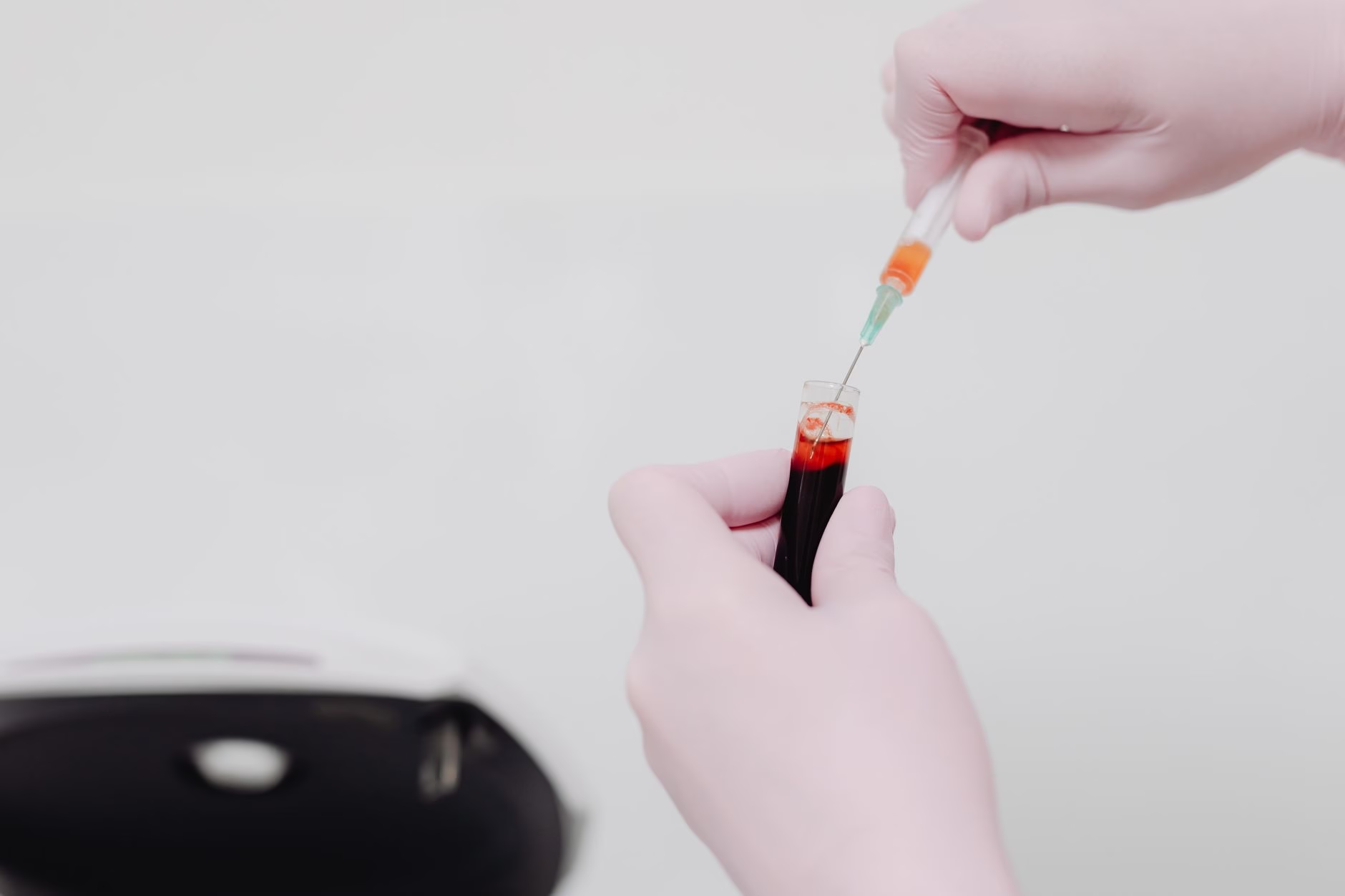
Toxicology screenings analyze blood, vitreous fluid, and tissue samples for pharmaceutical substances, metabolic imbalances, or environmental toxins. State laboratory officials noted that due to regional caseload backlogs and the meticulous nature of specialized panel testing, complete results typically require six to eight weeks.
Pathology experts explain that in cases involving young, trained athletes where physical trauma is ruled out, microscopic examinations of heart muscle tissue are crucial. Conditions such as hypertrophic cardiomyopathy, myocarditis, or subtle channelopathies often leave no visible mark on the outer structure of the heart during a standard visual autopsy.
Expert Perspectives and Statistical Data
Data from the National Center for Catastrophic Sports Injury Research indicates that sudden cardiac death remains the leading cause of non-traumatic mortality among young athletes in the United States. Statistical models suggest that an underlying structural or electrical heart defect causes sudden death in approximately 1 in 50,000 high school athletes each year, frequently presenting without prior clinical symptoms.
Forensic pathologists emphasize that a delayed autopsy report does not necessarily indicate a complex criminal investigation, but rather reflects standard scientific rigors. Independent medical examiners stress that preliminary anatomical findings often yield negative results, leaving microscopic cellular examination as the primary tool for answers.
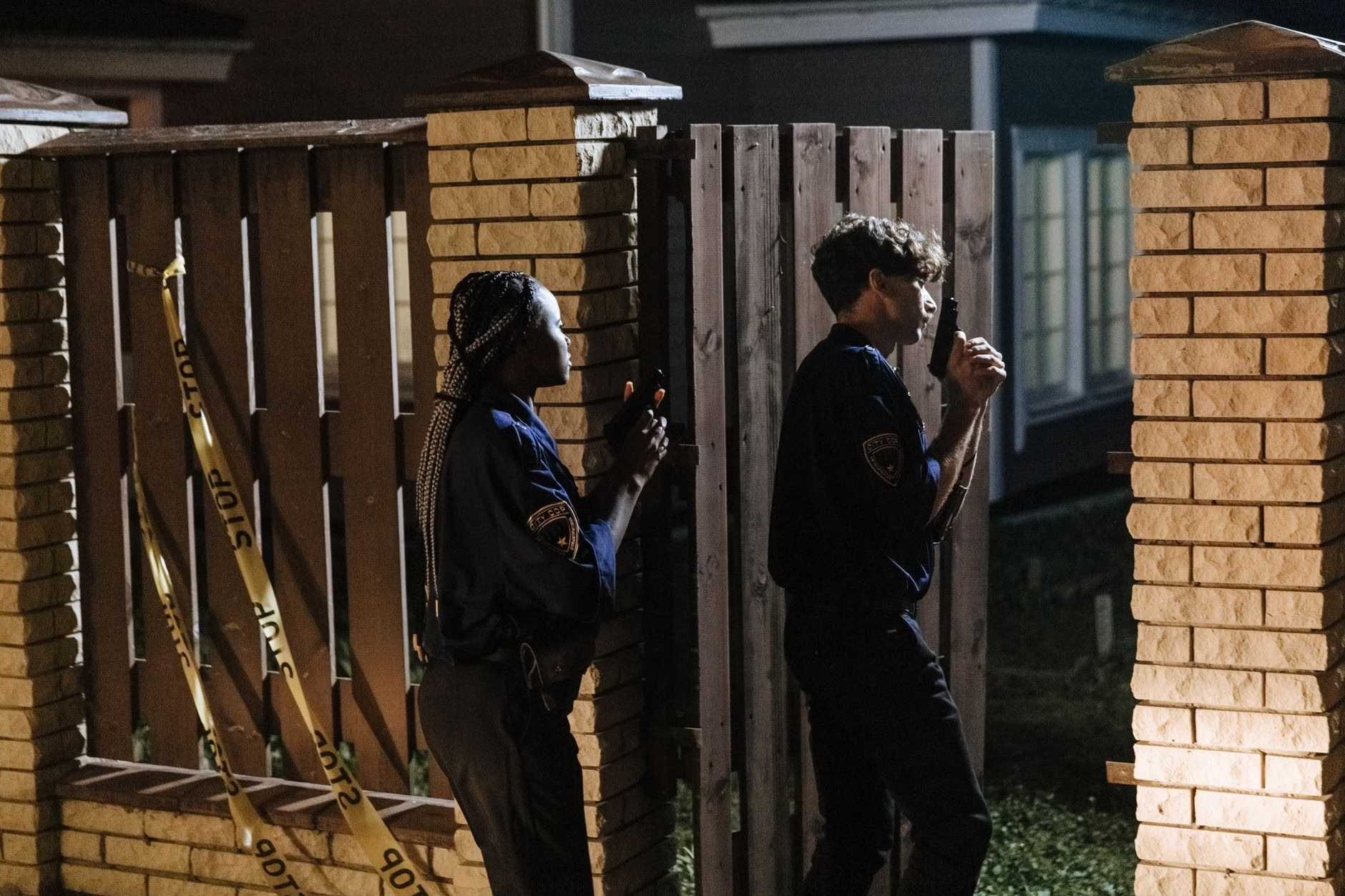
Law enforcement officials reaffirmed that the case remains an open investigation, which is standard protocol until the medical examiner issues a final, certified death certificate. Investigators continue to review electronic communication logs, interview witnesses who interacted with Wells in his final 24 hours, and reconstruct a precise timeline of events.
Community Impact and Next Steps
The tragedy has sparked renewed discussions among regional athletic directors and youth sports organizations regarding mandatory advanced cardiac screenings, such as electrocardiograms (ECGs), for student-athletes prior to seasonal competition. While major medical associations remain divided on universal screening protocols due to high rates of false positives, local school district leaders confirmed they are evaluating their current sports medicine safety guidelines.
Crisis counselors remain stationed at Wells’ high school to support classmates, teammates, and faculty as the academic community mourns his loss. Student organizations have organized candlelight vigils and memorial tributes planned for the upcoming weekend athletic events.
Investigators urge anyone with relevant information regarding Wells’ whereabouts or activities prior to the Friday evening incident to contact the county sheriff’s department. Authorities expect to release an updated investigative summary once the state crime laboratory completes its specialized toxicological analyses in the coming weeks.




















Leave a Reply