


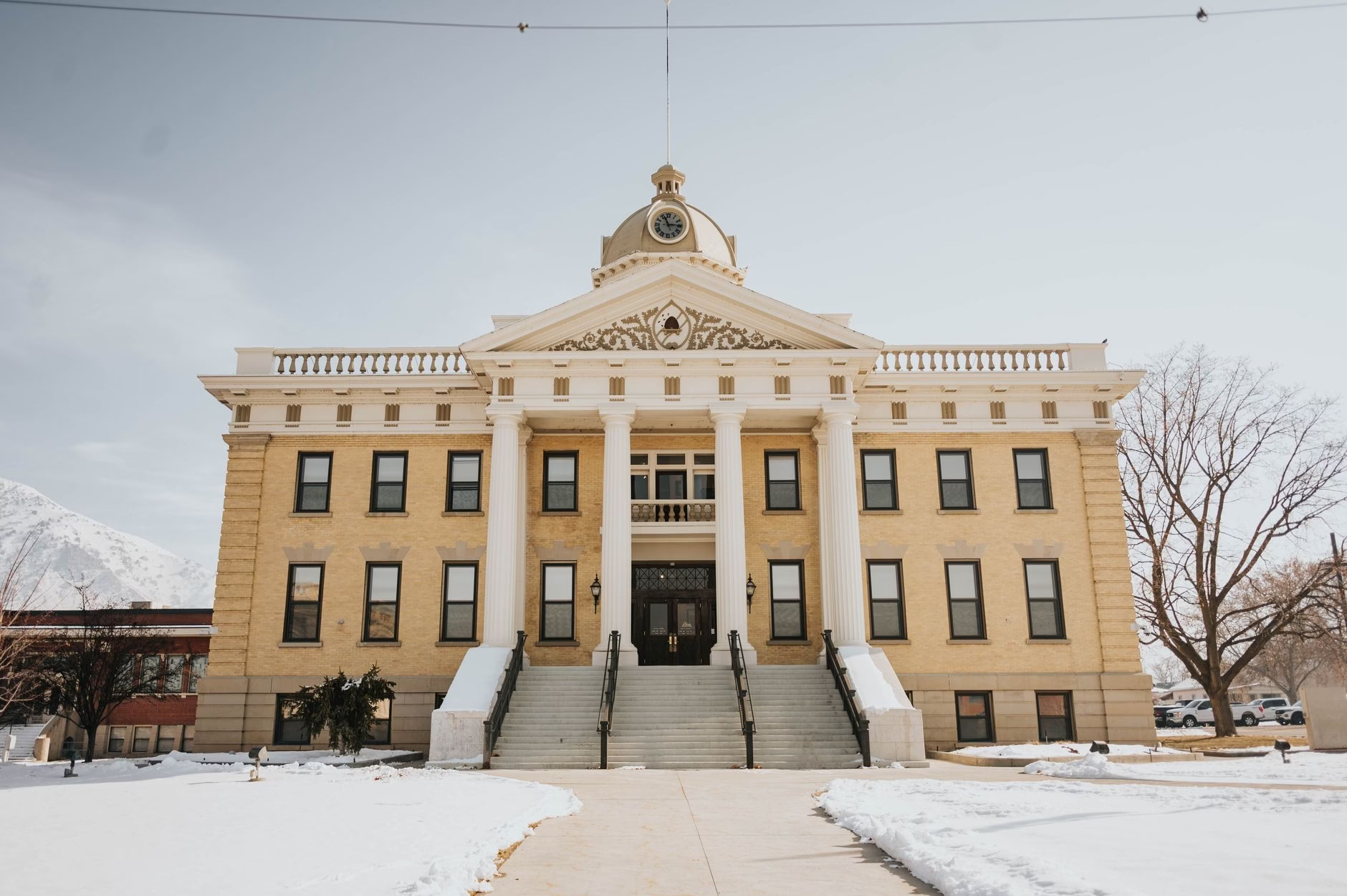
Authorities in a rural Ohio county are urgently seeking state assistance and external resources this week to care for 16 siblings rescued from a squalid home and to fund the prosecution of their parents and grandparents. The unprecedented case has overwhelmed the local child welfare system and municipal infrastructure, highlighting the severe challenges small counties face when confronting large-scale abuse and neglect cases.
The Discovery and Immediate Crisis
The crisis began earlier this month when law enforcement officers discovered the 16 children, ranging in age from toddlers to young adults, living in severe isolation and filth. Authorities arrested the children’s parents and two grandparents, charging them with multiple counts of kidnapping, child endangerment, and abuse. Local social workers report that the victims require immediate medical attention, psychological evaluations, and specialized foster placements.
Because of the extreme isolation the siblings endured, transition planning must be handled with intense therapeutic oversight. Keeping the siblings connected while placing them in environments capable of handling severe trauma presents a logistical hurdle that the countyu2019s existing foster network cannot support alone. Officials have already begun reaching out to neighboring jurisdictions and state agencies for emergency placement options.
Systemic Strain on Rural Infrastructure
For a rural county with limited tax revenues, the sudden influx of 16 high-needs foster placements presents an existential budget crisis. According to state child welfare data, the average cost of specialized therapeutic foster care can exceed $250 per day per child, translating to over $120,000 a month for this single family. This figure does not include the mounting costs of legal representation, medical treatments, and psychological counseling.
“Rural counties operate on razor-thin margins, and their social services are designed for steady, predictable caseloads,” said Sarah Jenkins, a child welfare policy analyst. “A single case of this magnitude can completely deplete a county’s annual emergency reserve in a matter of weeks, forcing local governments to choose between funding vital public services and providing necessary care for victims.”
In addition to social services, the local prosecutor’s office faces a massive logistical hurdle. Prosecuting four separate defendants simultaneously while managing testimony from 16 traumatized victims requires resources that far exceed the county’s current legal staff. The county prosecutor has already indicated plans to request special prosecutors and financial aid from the state attorney general’s office to manage the trial load.
Legal and Medical Challenges Ahead
Legal experts note that the prosecution must balance the pursuit of justice with the mental well-being of the children. Prosecutors are currently exploring ways to secure testimony without subjecting the younger victims to further trauma on the witness stand. This may involve video-recorded depositions or the use of facility dogs to comfort the children during interviews.
Medical evaluations have revealed that several of the siblings suffer from severe malnutrition, developmental delays, and untreated physical ailments. Pediatricians specializing in severe neglect cases emphasize that rehabilitation will be a multi-year process requiring speech, occupational, and physical therapy. The immediate focus remains on stabilizing their physical health and establishing a sense of safety.
Community members have rallied to support the children, organizing donation drives for clothing, toys, and monetary contributions. However, county officials emphasize that while community generosity helps meet immediate needs, it cannot replace the sustained, systemic funding required for long-term specialized care and legal prosecution.
Broader Implications for Child Welfare and Oversight
This case has renewed national debates regarding the oversight of homeschooled children and isolated families. Advocacy groups argue that current state laws provide too many loopholes, allowing abusive guardians to hide children from mandatory reporters like teachers and school nurses. Opponents of stricter regulations warn against government overreach, but child safety advocates insist that basic check-ins could prevent prolonged abuse.
In the coming weeks, observers will watch whether the Ohio state legislature approves emergency funding to offset the county’s ballooning legal and social service expenses. The outcome of the initial court hearings for the parents and grandparents will dictate the timeline for what is expected to be a lengthy and complex trial. Meanwhile, child advocates will monitor the placement of the siblings, hoping to keep them in close contact while ensuring they receive the specialized care necessary to begin their recovery.
























Leave a Reply