


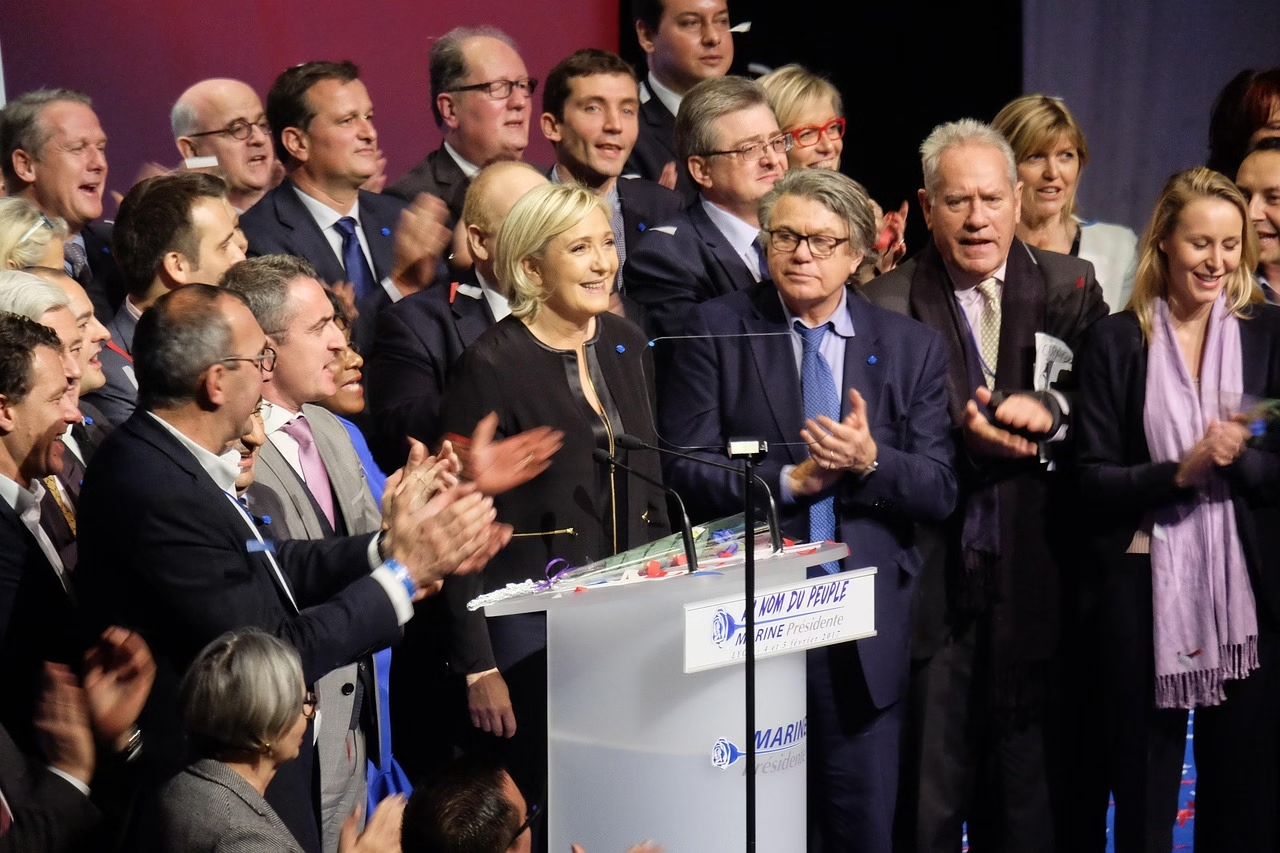
Legal Ruling Shifts the French Political Landscape
A French appeals court ruled this week that far-right leader Marine Le Pen may proceed with a presidential bid, overturning an initial lower-court decision that threatened to bar her from public office. While the ruling removes the immediate legal obstacle to her candidacy, the court concurrently mandated that Le Pen wear an electronic monitoring tag for a duration of one year. This judicial compromise creates an unprecedented scenario in modern French politics, where a leading presidential contender must navigate a campaign while under state-mandated surveillance.
Context of the Judicial Proceedings
The decision stems from ongoing legal investigations into the alleged embezzlement of European Parliament funds. Prosecutors have accused the National Rally party of using parliamentary resources to pay for domestic political staff, a charge that Le Pen and her party have consistently denied. The initial lower-court verdict had sought a five-year ban on holding public office, a move that would have effectively ended her career and prevented her from challenging the current administration in the next election cycle.
Campaign Logistics and Political Optics
The imposition of an electronic monitoring tag presents significant logistical and symbolic hurdles for the National Rally. While the device does not physically prevent Le Pen from traveling or campaigning, the constant visual and public reminder of her legal status complicates her narrative of being a victim of political persecution. Political analysts suggest that the tag could alienate centrist voters who prioritize institutional stability, even as it potentially galvanizes her core base around themes of judicial overreach.
Expert Perspectives on the Election Impact
Political strategist Jean-Luc Moreau noted that the ruling transforms the upcoming election into a referendum on the French judiciary rather than purely on policy. “The image of a presidential candidate wearing an electronic tag is a visual that French voters have never had to process,” Moreau stated. Data from recent polling suggests that while Le Pen’s supporters remain loyal, the legal cloud could dampen her appeal among undecided voters who remain wary of candidates facing criminal sanctions.
Broader Implications for the Republic
This ruling highlights the increasing intersection of judicial activism and national electoral politics in Europe. As the legal process continues, the National Rally faces the dual challenge of managing a high-stakes campaign while simultaneously defending its leadership in court. The persistence of the electronic tag requirement signifies that the judiciary intends to maintain strict oversight, regardless of the political calendar or the status of the candidate.
Future Developments to Watch
Observers are now tracking how the French electorate responds to the campaign trail optics as the presidential race intensifies. The primary focus remains on whether the legal monitoring will influence public perception during key debates or if the party can successfully pivot the conversation back to economic and immigration issues. Analysts expect further legal motions from the defense team, which may attempt to have the monitoring condition removed entirely as the election date approaches.


























Leave a Reply