


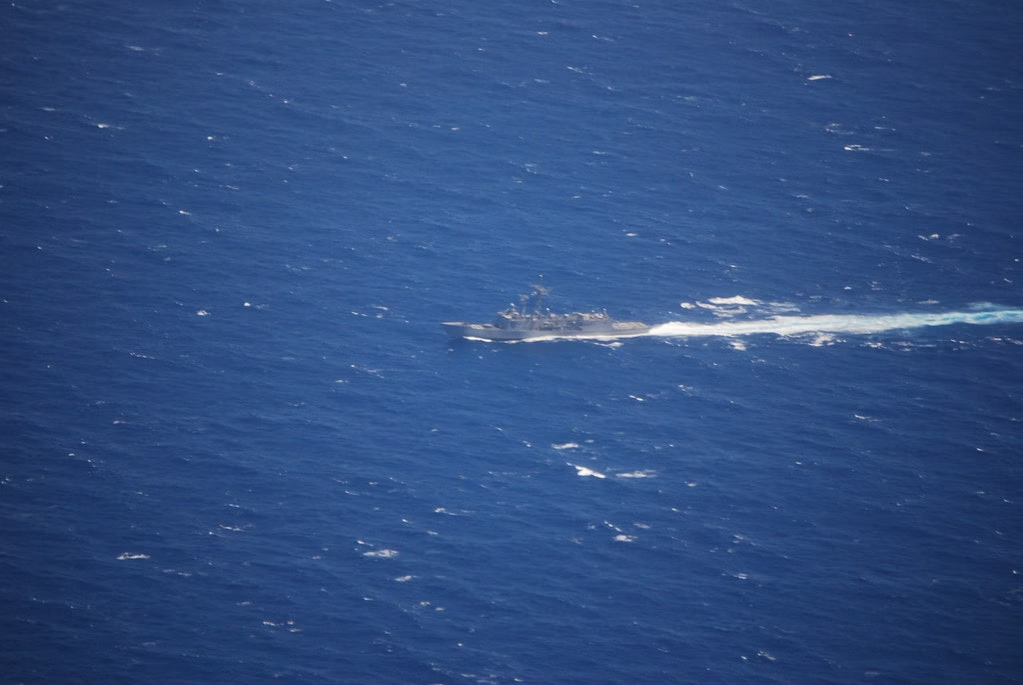
Global oil prices surged in early trading on Wednesday following reports of an Iranian attack on commercial vessels in the Strait of Hormuz, a critical maritime chokepoint. In response to the escalating regional instability, the United States government announced the immediate revocation of authorization for several pending oil sales linked to Iran, signaling a hardening stance against Tehran’s maritime activities.
The Strategic Significance of the Strait
The Strait of Hormuz serves as the world’s most important oil transit chokepoint, with approximately 21 million barrels of oil passing through the narrow passage daily. This volume represents roughly 20 percent of global petroleum liquids consumption, making any disruption a matter of immediate international concern.
Historically, the Strait has been a focal point for geopolitical friction. Tensions have simmered since the 2018 U.S. withdrawal from the Joint Comprehensive Plan of Action (JCPOA), leading to a series of maritime incidents, seizures, and increased naval patrols by Western powers.
Market Volatility and Price Movements
Brent crude futures jumped by more than 3 percent to trade above $85 per barrel shortly after the news broke. Similarly, U.S. West Texas Intermediate (WTI) crude saw significant gains, reflecting immediate market anxiety over the potential for restricted supply flows.
Energy analysts suggest that the market reaction is driven by a ‘fear premium’ rather than an actual physical shortage. ‘The market is pricing in the risk that this incident could escalate into a broader conflict, which would threaten the physical movement of energy supplies across the Persian Gulf,’ noted senior commodity strategist Marcus Thorne.
U.S. Policy Shifts and Sanctions
The U.S. decision to revoke existing sale authorizations marks a pivot from previous diplomatic efforts to manage regional tensions. By tightening the economic squeeze on Iran, Washington aims to deter further disruptions to international shipping lanes.
Data from the U.S. Energy Information Administration (EIA) indicates that even minor delays or rerouting of tanker traffic can cause ripple effects in global supply chains. Insurance premiums for vessels traversing the Gulf have already begun to climb, adding additional costs to the final price of crude oil delivered to Asian and European markets.
Implications for the Global Economy
For consumers, the immediate impact will likely manifest at the fuel pump. Rising crude costs typically translate into higher gasoline and diesel prices within a matter of weeks, potentially complicating central bank efforts to curb inflation in major economies.
Industry experts are now closely monitoring the response from regional players, including Saudi Arabia and the United Arab Emirates. If major oil producers decide to increase output to compensate for potential disruptions, market volatility may stabilize. Conversely, if the security situation deteriorates further, analysts warn of a sustained period of price instability that could weigh heavily on global manufacturing and logistics sectors.
Market observers are advised to watch for upcoming statements from the International Maritime Organization regarding security protocols in the Gulf. Further developments regarding naval deployments by the U.S. Fifth Fleet will also serve as a primary indicator of how the international community intends to maintain the flow of energy through this volatile corridor.





















Leave a Reply