



On Tuesday, July 7, the ongoing conflict between Russia and Ukraine reached a critical juncture, marked by intensified military engagements across the eastern front and significant diplomatic maneuvers in international corridors. As the war extends well into its third year, frontline reports indicate a strategic shift in Russian offensive operations, while Ukrainian forces continue to leverage Western-supplied long-range capabilities to target logistical hubs behind enemy lines.
The Strategic Landscape
The conflict, which escalated dramatically following the full-scale invasion in February 2022, remains a focal point of global geopolitical instability. Current intelligence reports highlight a war of attrition characterized by heavy artillery duels and the widespread deployment of unmanned aerial vehicles (UAVs).
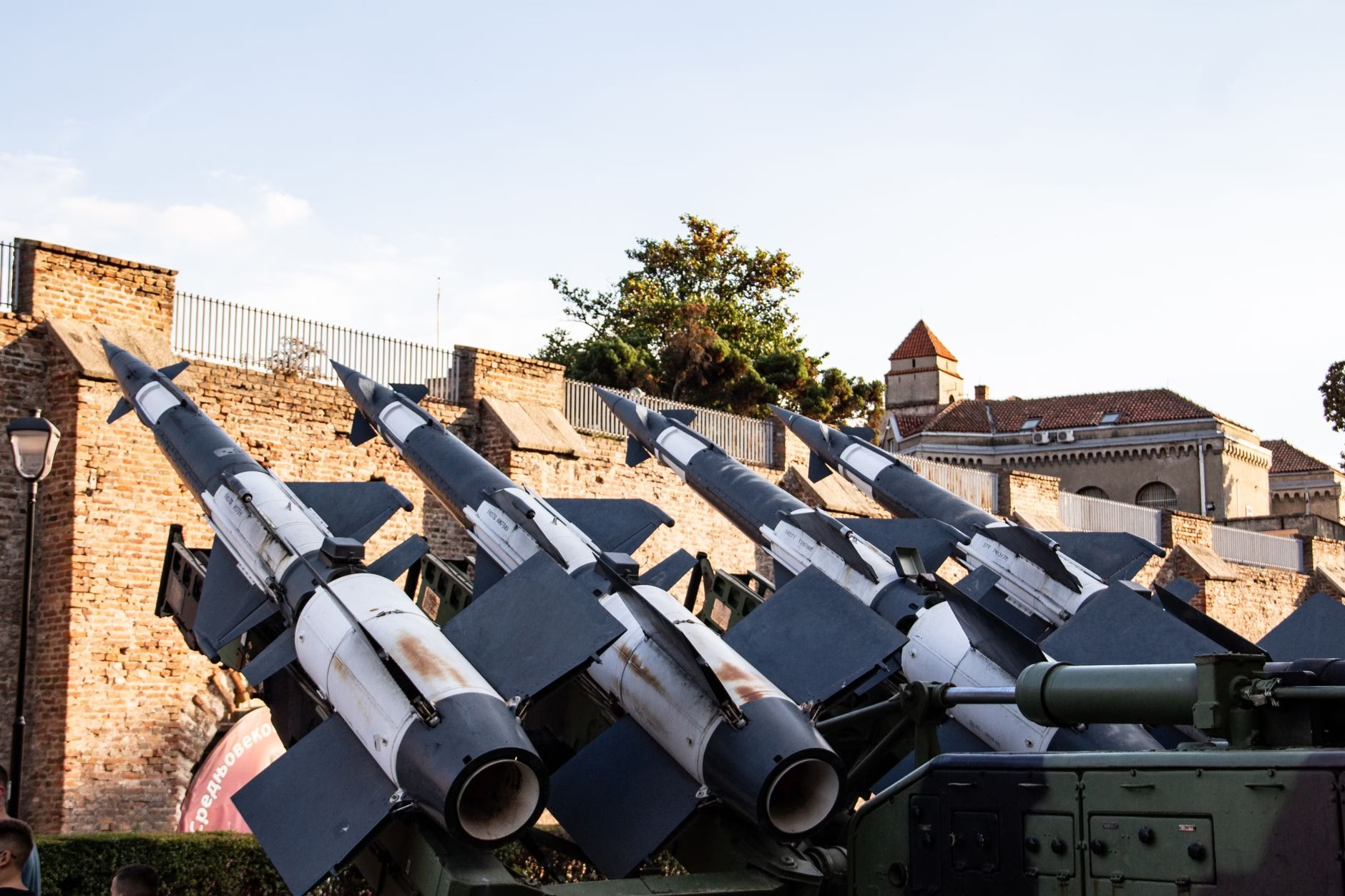
Ukraine’s defense strategy has pivoted toward integrating advanced surveillance technology with mobile air defense systems. Conversely, Russian military doctrine has emphasized the consolidation of territorial gains in the Donbas region, utilizing massed infantry and increased aerial bombardment of critical energy infrastructure.
Military Dynamics and Technological Shifts
Recent data from the Institute for the Study of War suggests that the density of minefields and defensive fortifications has slowed conventional maneuver warfare, leading to a focus on localized tactical breakthroughs. Both sides are increasingly reliant on drone technology for reconnaissance and precision strikes, fundamentally altering the traditional battlefield.
Military analysts note that the introduction of F-16 fighter jets into the Ukrainian theater is beginning to influence air superiority dynamics. While the impact remains incremental, the capability to contest Russian air dominance is a significant departure from the early months of the conflict.
The Humanitarian and Economic Toll
The human cost of the conflict continues to climb, with the United Nations reporting millions of displaced persons and significant damage to civilian infrastructure. Beyond the immediate loss of life, the conflict has disrupted global supply chains, particularly regarding grain exports and energy security in Europe.
Economic sanctions imposed by Western nations remain a pillar of the international response, aiming to degrade Russia’s capacity to fund its military operations. Despite these measures, Russian economic resilience has been bolstered by trade pivots toward Asian markets, complicating the efficacy of long-term economic isolation strategies.
Future Outlook and Strategic Implications
As the conflict persists, the focus is shifting toward the sustainability of long-term military aid packages from key allies. The ability of Ukraine to maintain its industrial defense base while managing personnel shortages will be the defining factor in the coming months.
Observers are closely monitoring potential diplomatic developments as domestic political cycles in supporting nations approach. The outcome of upcoming international summits will likely dictate the level of financial and military commitment for the remainder of the year. Market analysts suggest that continued volatility in energy and commodity sectors should be expected until a clear path toward de-escalation emerges.

















Leave a Reply