


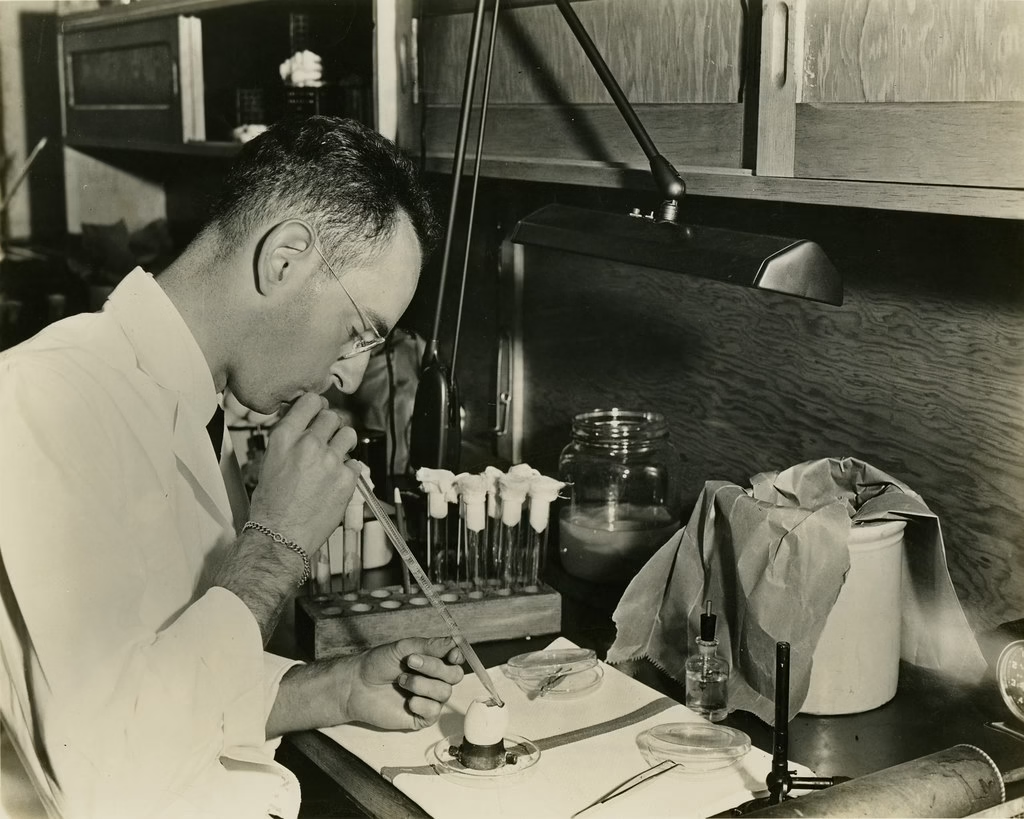
Researchers at the University of Edinburgh’s Centre for Reproductive Health have identified a potential breakthrough in gynecological medicine, discovering that a simple blood test could soon diagnose endometriosis. This development, published this year in the United Kingdom, addresses the long-standing clinical challenge of detecting the condition, which currently requires invasive surgery to confirm.
The Diagnostic Gap
Endometriosis is a chronic condition where tissue similar to the lining of the uterus grows outside of it, causing severe pain and potential infertility. Globally, the World Health Organization estimates that 190 million women and girls of reproductive age suffer from the disease.
Historically, patients face an average diagnostic delay of seven to ten years. Because definitive diagnosis requires laparoscopic surgery, many patients remain untreated or misdiagnosed while their condition progresses.
Scientific Methodology and Findings
The research team utilized advanced proteomic analysis to identify specific biomarkers in the blood that correlate with the presence of endometriosis. By isolating these protein signatures, scientists were able to distinguish patients with the disease from those without it with a high degree of accuracy.
Dr. Douglas Gibson, the study lead from the Centre for Reproductive Health, described the results as a significant milestone. He noted that the ability to utilize a non-invasive blood test represents a fundamental shift in how the medical community approaches reproductive health screenings.
Expert Perspectives
Medical experts emphasize that a diagnostic blood test would fundamentally alter the patient journey. Dr. Sarah Jenkins, an independent reproductive health specialist, noted that reducing the reliance on surgery would lower healthcare costs and minimize the physical trauma associated with diagnostic procedures.
Data from the study suggests that this method could be integrated into routine clinical practice once validated through larger, multi-center trials. The accessibility of a blood test could also empower patients to seek early intervention, potentially preserving fertility and reducing the long-term impact of chronic pelvic pain.
Industry and Patient Implications
For the pharmaceutical and medical device industries, this discovery opens a new market for rapid diagnostic kits. Healthcare providers may soon be able to implement early screening programs in primary care settings rather than waiting for specialist referrals to surgical centers.
The shift toward biomarker-based diagnostics aligns with the broader move toward precision medicine. By identifying the disease earlier, clinicians can tailor treatment plans—ranging from hormonal therapies to specialized pain management—long before the tissue damage becomes irreversible.
Future Outlook
As the scientific community prepares for large-scale clinical validation, the focus will shift toward regulatory approval and integration into national healthcare systems. Stakeholders should monitor upcoming phase-three trials, which will determine the test’s efficacy across diverse patient demographics. If successful, this diagnostic tool could become the global standard for endometriosis care within the next five years, effectively closing the diagnostic gap that has persisted for decades.


























Leave a Reply