


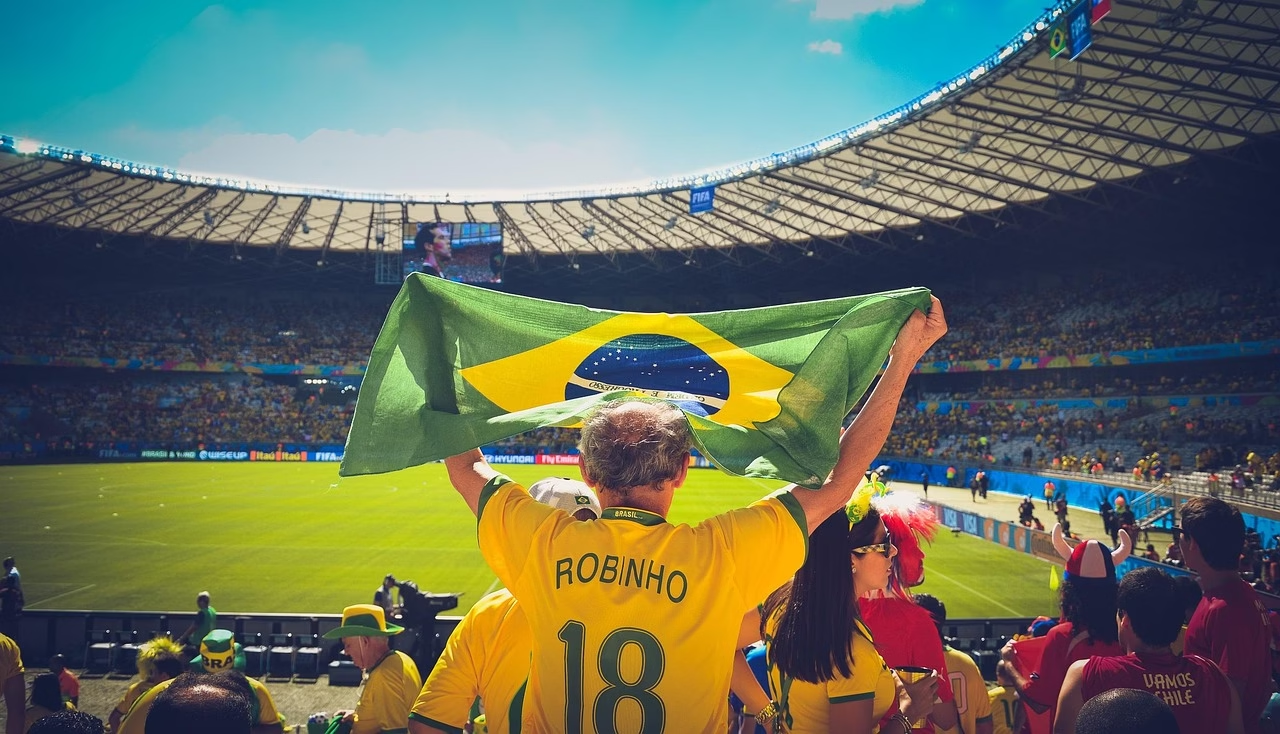
In cities across the globe, thousands of football fans are trading physical stickers of players like Kylian Mbappé and Lionel Messi to complete their Panini World Cup albums, fueling a massive offline community resurgence this tournament season. These gatherings, hosted in public parks, cafes, and hobby shops, have transformed the solitary act of collecting into a social phenomenon that bridges generational divides.
The Evolution of a Sporting Tradition
Panini, the Italian company behind the iconic albums, has been producing World Cup stickers since the 1970 tournament in Mexico. While digital gaming and social media dominate modern sports consumption, the tactile nature of sticker collecting offers a unique, tangible connection to the sport. Collectors purchase sealed packets containing random player portraits, logos, and stadium images, creating a high-stakes environment of scarcity and serendipity.
The Mechanics of the Trade
The core appeal of the trend lies in the ritual of the “swap meet.” Fans bring their duplicates to central meeting points, negotiating trades based on rarity and team completeness. Market data from secondary collectors’ platforms suggests that while common players are traded freely, “rookie” cards or legendary figures like Messi command significantly higher value in the community ecosystem.
This physical exchange serves as a vital social lubricant. For younger fans, it provides an introduction to the history of the sport, while older collectors view it as a nostalgic preservation of football culture. The process of filling a 600-plus sticker album requires dedication, often involving hundreds of dollars in packet purchases and dozens of hours spent at trading events.
Economic and Cultural Impacts
Experts note that the rise of this trend aligns with a broader “analog revival” seen in other industries, such as vinyl records and board games. According to retail analysts, the sticker market has remained resilient despite the digitization of sports media because it satisfies a human need for physical ownership and face-to-face interaction. The scarcity of specific stickers creates a micro-economy within local communities, where a rare “shiny” or “foil” sticker can become a high-value currency.
Beyond the hobbyists, major brands are increasingly leveraging these physical items to drive engagement. By partnering with sports organizations, companies ensure that the act of collecting remains tied to the official tournament experience, turning every packet into a piece of sporting memorabilia.
Looking Ahead
As the tournament progresses, the focus will likely shift from building collections to the secondary market value of completed albums. Observers are watching to see if digital iterations of these stickers, such as NFTs, will eventually cannibalize the physical market or exist as a parallel track. For now, the sight of fans huddled over open albums in public squares remains a testament to the enduring power of physical collectibles in a digital age.























Leave a Reply