


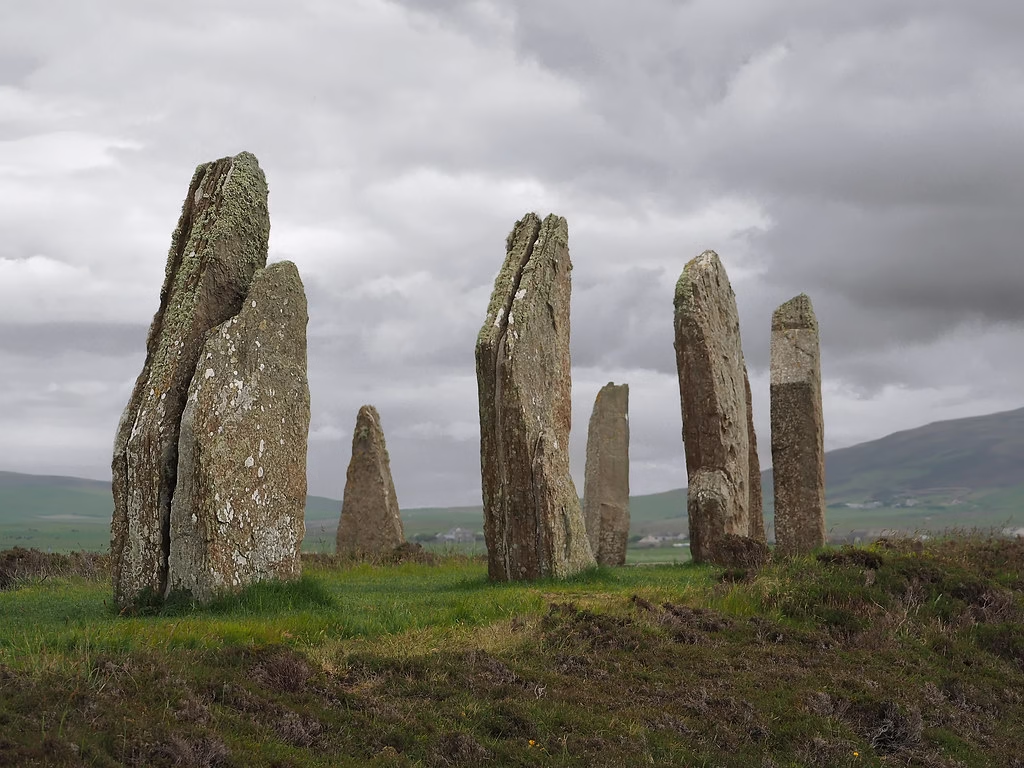
Archaeologists working in Wiltshire, England, have identified the remains of a prehistoric monument located just three miles from the world-famous Stonehenge, a discovery that experts suggest represents an earlier prototype of the iconic site. Dated to approximately 3,000 BCE, this newly discovered structure predates the famous sarsen stone circle by roughly 500 years, offering a transformative look at the evolution of Neolithic ritual architecture in Britain.
A New Chapter in Prehistoric Engineering
The site, discovered during a routine survey of the landscape, consists of a series of post-holes and circular ditches that mirror the layout of the initial phases of Stonehenge. While the famous monument is characterized by its massive, towering stones, this precursor appears to have been constructed primarily of timber, a common material for ritualistic enclosures during the Early Neolithic period.
Researchers believe the site served as a ceremonial hub for local communities long before the architectural mastery required to transport the bluestones from Wales was achieved. The proximity to the main site suggests a long-term cultural occupation of the Salisbury Plain, indicating that the area held spiritual significance for generations.
Contextualizing the Neolithic Landscape
For decades, Stonehenge has been studied as a singular achievement, but recent advancements in ground-penetrating radar and remote sensing have shifted the focus toward a wider complex of monuments. This discovery supports the growing hypothesis that Stonehenge was not an isolated project, but rather the culmination of centuries of experimentation with landscape design and celestial alignment.
Dr. Elena Vance, a lead researcher on the project, notes that the site provides the “missing link” in understanding how prehistoric builders refined their techniques. The transition from timber-based structures to the monumental stone circles we recognize today required significant social organization and labor coordination, elements that were clearly already in development 5,000 years ago.
Scientific Analysis and Implications
Initial soil analysis and carbon dating have confirmed the age of the site, placing its construction during the formative years of the British Neolithic transition. The layout suggests a sophisticated understanding of solar patterns, which would later become the defining feature of the primary Stonehenge site during the summer and winter solstices.
Data from the dig site indicates that the monument was intentionally decommissioned, with evidence of post-burning ritual activity. This practice aligns with other Neolithic sites across Europe, where structures were often ritually “retired” once their ceremonial purpose had been fulfilled.
Future Directions for Research
This discovery forces a reassessment of the timeline for megalithic construction in the region. Historians and archaeologists are now looking to analyze how these smaller, regional centers interacted with the larger Stonehenge complex as it grew in influence.
As excavation continues, experts expect to find artifacts that clarify the social hierarchy and daily lives of the builders. The ongoing investigation into the surrounding landscape will likely uncover further satellite monuments, potentially revealing a vast network of ritual sites that have remained hidden beneath the Wiltshire soil for millennia.


























Leave a Reply