



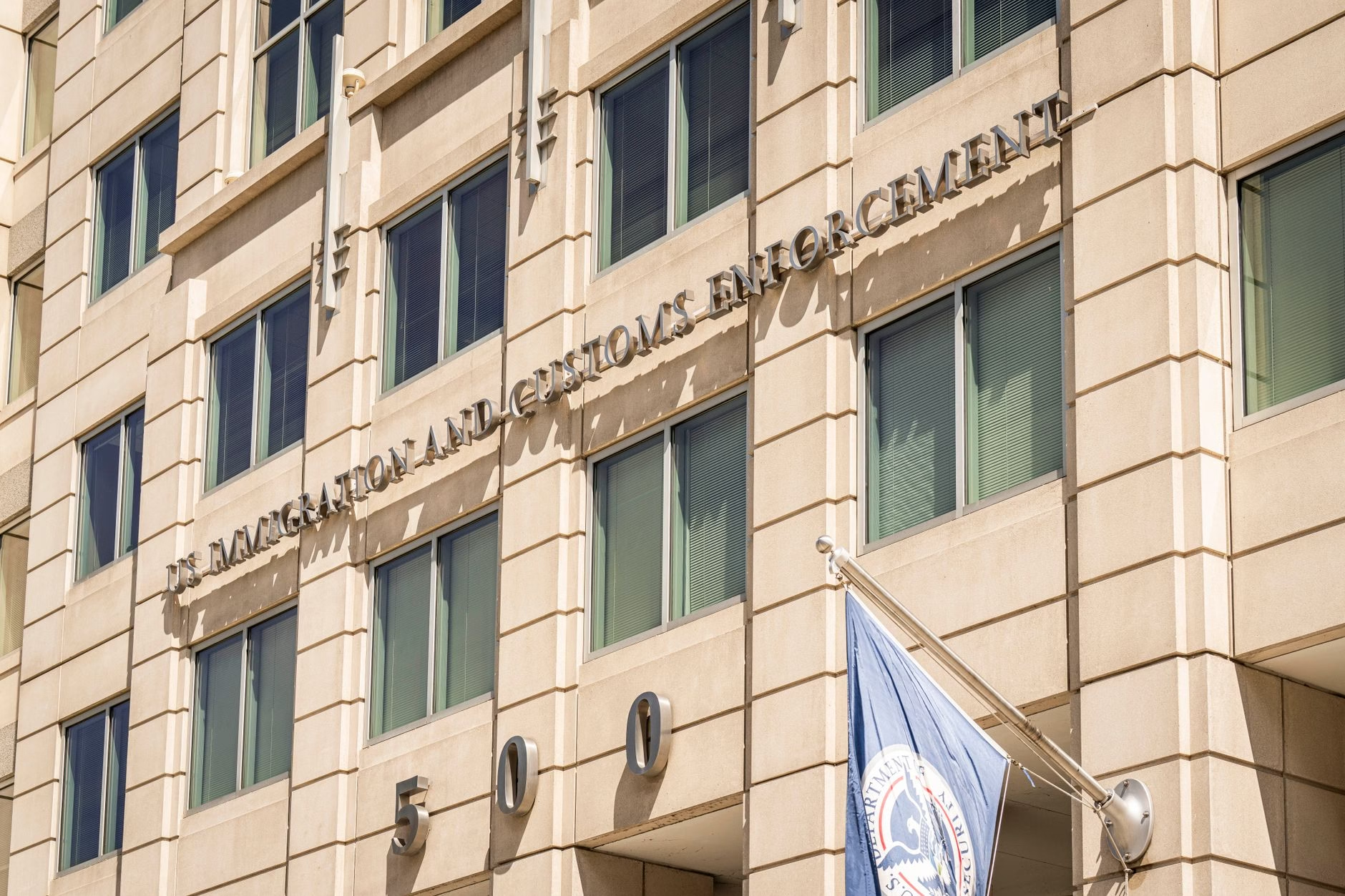
The United States government is currently engaged in high-level negotiations with Jamaican officials to establish a facility for processing and housing third-country migrants, as reported this week. These discussions, taking place against the backdrop of shifting geopolitical alliances in the Caribbean, aim to address the unprecedented surge of undocumented individuals attempting to reach American shores. The proposed arrangement would see Jamaica serve as a transit or processing hub for migrants who are not Jamaican citizens but are intercepted while attempting to enter the United States illegally.
The Evolving Landscape of Regional Migration
This diplomatic initiative marks a significant departure from traditional regional migration management, which has historically relied on the US Coast Guard or direct repatriation to countries of origin. The United States has faced mounting pressure to alleviate the strain on its southern and maritime borders, leading the Department of Homeland Security to seek creative, albeit controversial, solutions with Caribbean partners.
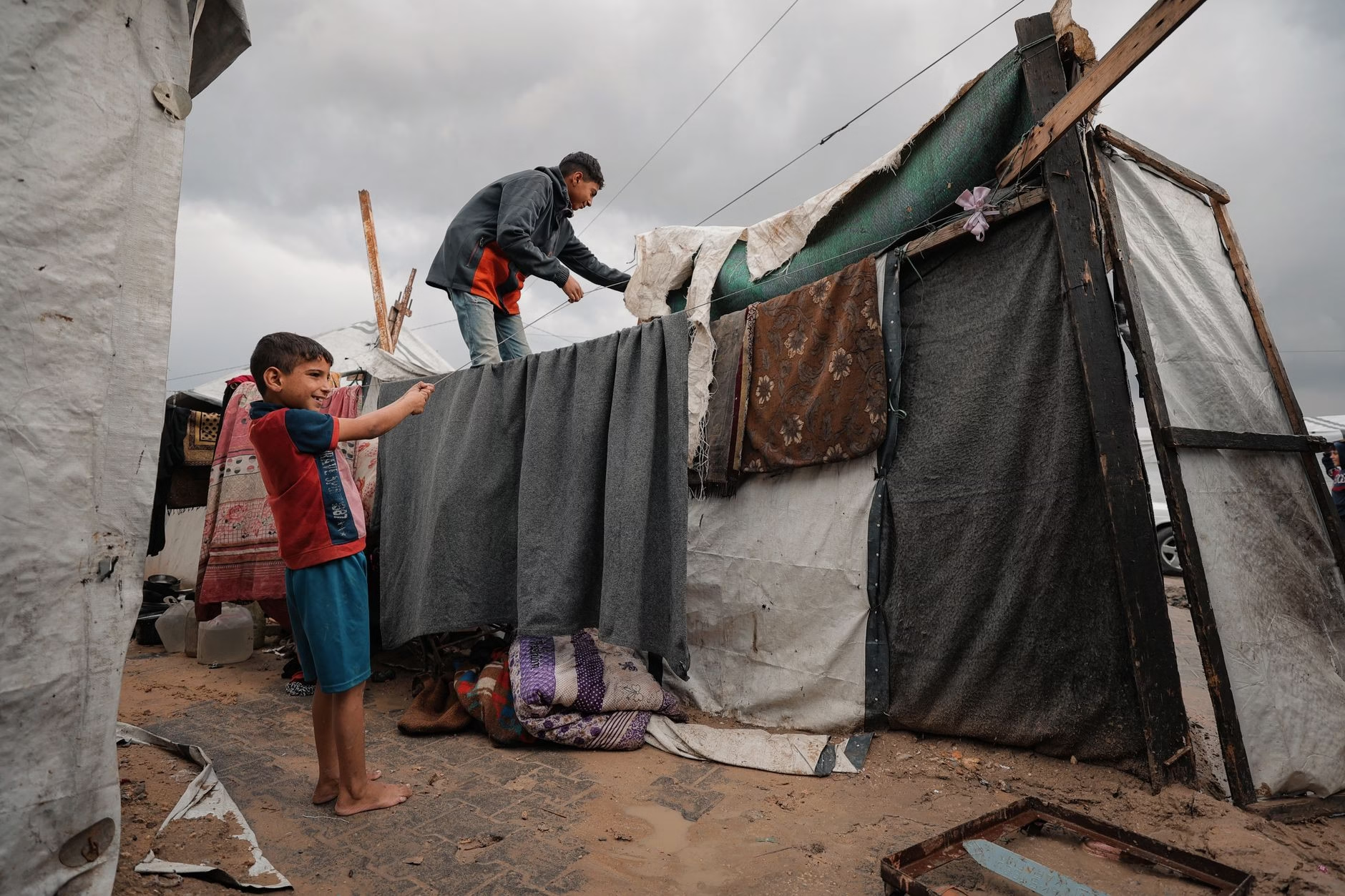
The Caribbean region has become a critical corridor for migrants fleeing economic collapse, political instability, and gang violence, particularly from nations like Haiti. As the volume of maritime traffic grows, the US has sought to decentralize its processing capabilities to deter dangerous sea crossings and manage the flow of asylum seekers more effectively.
Strategic Motivations and Diplomatic Hurdles
For the Biden administration, the partnership is framed as a matter of regional security and humanitarian order. Officials argue that by processing claims outside of the US mainland, the government can maintain a more orderly immigration system while upholding international asylum obligations.
However, the proposal faces significant internal and external scrutiny. Human rights organizations, including Amnesty International and local Caribbean advocacy groups, have raised concerns regarding the legal status of the migrants and the capacity of Jamaica to provide adequate humanitarian support. Critics argue that such arrangements could shift the burden of migration management onto developing nations that lack the necessary infrastructure to handle long-term processing.
Economic and Political Implications
Data from the International Organization for Migration (IOM) highlights that maritime migration in the Caribbean has increased by roughly 20% over the last fiscal year, straining the resources of island nations already dealing with climate-related displacement. The potential agreement with Jamaica could signal a new trend in





















Leave a Reply