



Global markets reacted with cautious optimism this week following the announcement of a preliminary agreement between the United States and Iran in Geneva, aimed at curbing Tehran’s nuclear program in exchange for limited sanctions relief. The deal, brokered after months of back-channel negotiations, marks the most significant diplomatic shift between the two nations in over a decade, though administration officials stress that a final, comprehensive framework remains under construction.
The Context of Diplomatic Thaw
The negotiations follow years of escalating tensions characterized by a ‘maximum pressure’ campaign of economic sanctions and a series of maritime confrontations in the Persian Gulf. For decades, the primary sticking point has been Iran’s enrichment of uranium, which Western powers fear could be diverted for weaponization, while Tehran maintains its program is strictly for civilian energy purposes.
Previous attempts at normalization, most notably the 2015 Joint Comprehensive Plan of Action (JCPOA), collapsed in 2018 under the previous U.S. administration. This new framework attempts to address the structural failures of the previous accord by incorporating more rigorous monitoring protocols and shorter sunset clauses on nuclear restrictions.
Navigating Regional Security and Trade
A central pillar of the current discussion involves the security of the Strait of Hormuz, a vital artery for global oil transit. Recent years have seen frequent seizures of tankers and drone strikes near the strait, driving up insurance costs and threatening global energy stability.
While the preliminary deal addresses economic relief, analysts note that the agreement remains silent on Iran’s regional ballistic missile program and its network of proxy militias. These omissions have drawn sharp criticism from regional stakeholders, particularly Israel, which views the deal as a failure to contain Iran‘s influence in neighboring states like Syria and Lebanon.
Expert Perspectives and Market Impact
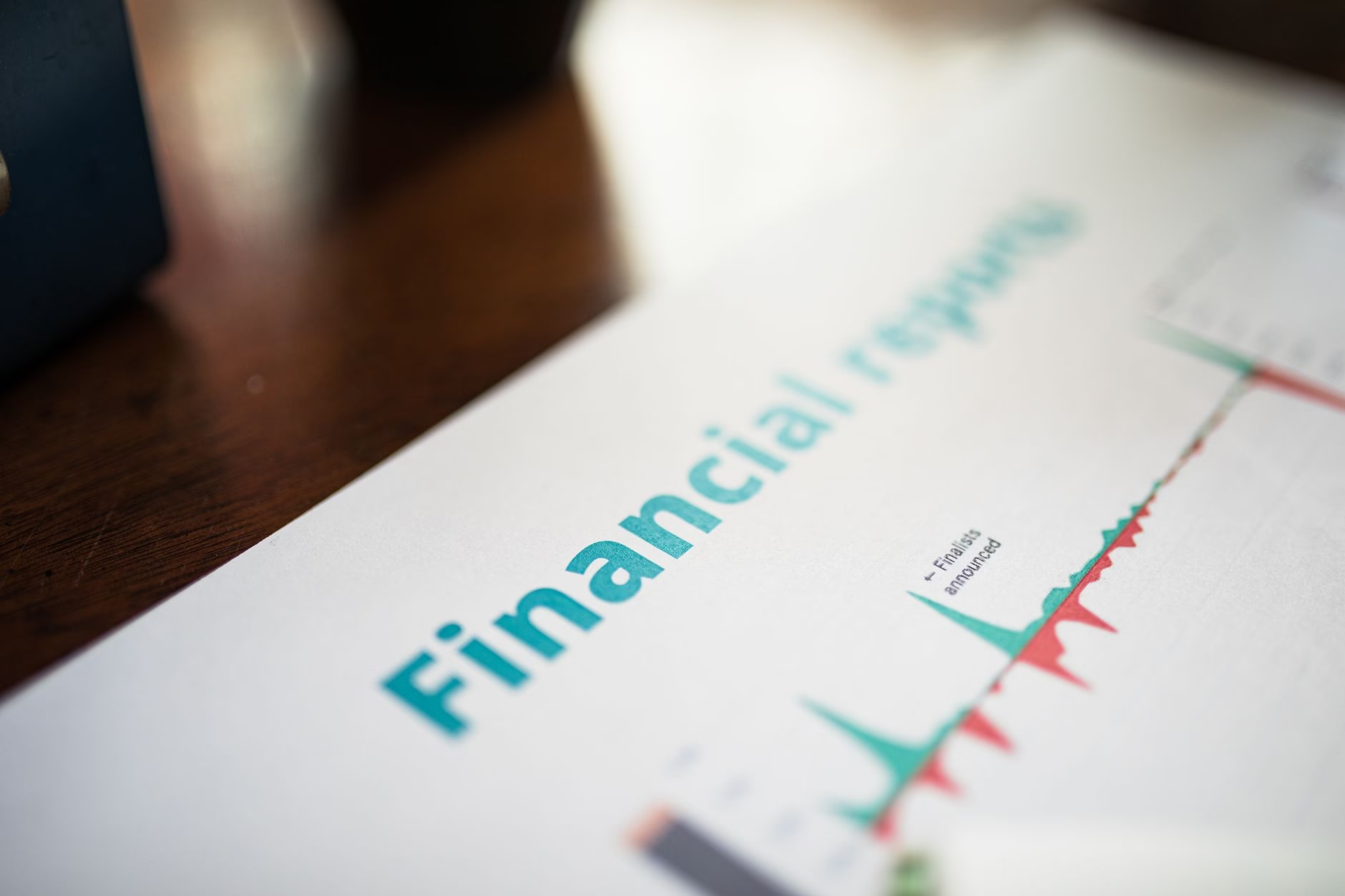
Financial analysts observed an immediate uptick in major stock indices following the news, reflecting investor relief at the prospect of reduced geopolitical risk. However, commodity experts remain skeptical about the long-term impact on global oil prices.



















Leave a Reply