


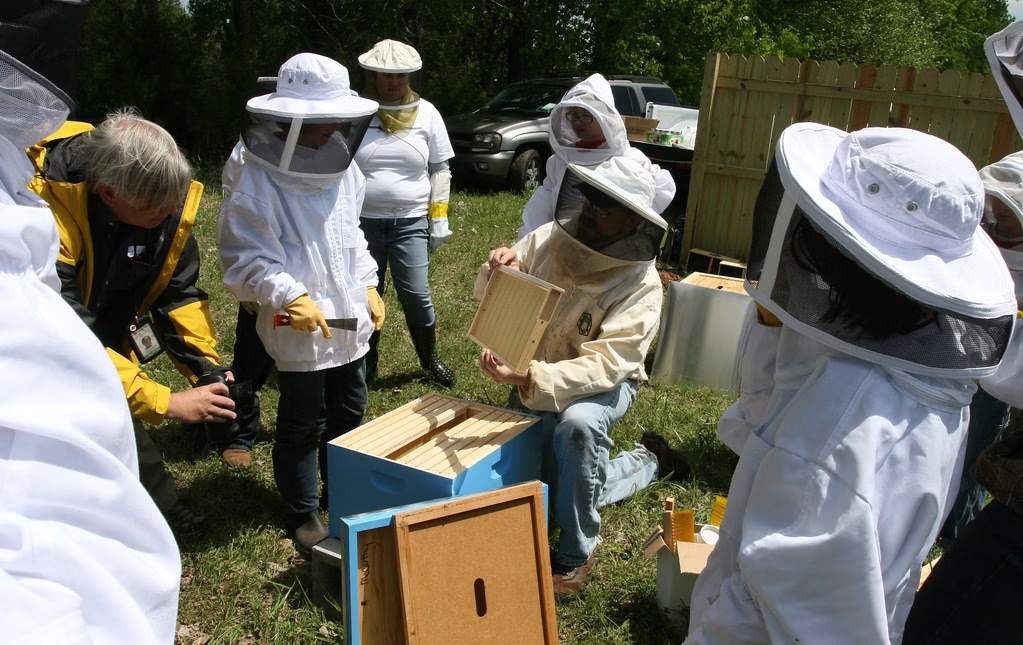
In the rural landscapes of South Korea, beekeepers are facing a catastrophic surge in honeybee colony losses this year, driven by shifting weather patterns and unseasonable temperature fluctuations. As the spring bloom arrives earlier each season, the delicate synchronization between floral nectar production and bee foraging behavior has fractured, leading to mass mortality across apiaries nationwide.
The Fragility of the Hive
Honeybee populations are vital to South Korea’s agricultural sector, providing essential pollination services for fruit and vegetable crops. In recent months, thousands of colonies have simply vanished, leaving behind empty hives that point to a phenomenon known as Colony Collapse Disorder, though experts increasingly link the regional spikes to climate-induced physiological stress.
Beekeepers report that warmer winter temperatures often trick bees into emerging from their dormant state too early. When cold snaps inevitably follow, the bees are unable to return to their protective clusters, resulting in widespread freezing and starvation within the hive.
A Pattern of Environmental Instability
Data from the South Korean Ministry of Agriculture, Food and Rural Affairs indicates that the decline is not an isolated event but part of a multi-year trend. The national bee population, which remained relatively stable for decades, has seen a sharp decline since 2021, with millions of bees lost during the winter dormancy periods.
Agricultural scientists note that the issue is compounded by the use of neonicotinoid pesticides and the spread of invasive parasitic mites, such as the Varroa destructor. However, the climate variable remains the most unpredictable threat, as it disrupts the biological rhythms that bees have relied upon for centuries.
Economic and Ecological Consequences
The implications of this decline extend far beyond the loss of honey production. As pollination rates drop, farmers are reporting lower crop yields for staple produce, including apples, strawberries, and melons. This creates a ripple effect in local supply chains, driving up consumer prices and threatening the financial viability of small-scale family farms.
Ecologists warn that the loss of these pollinators could trigger a broader environmental crisis by reducing the reproductive success of native plant species. Without bees to facilitate cross-pollination, the biodiversity of South Korea’s forests and grasslands remains at significant risk.
Looking Toward the Future
Industry stakeholders are now advocating for government-subsidized insurance programs and increased funding for research into climate-resilient bee breeding. Efforts to monitor hive temperatures through IoT-enabled sensors are also gaining traction as a way to provide real-time alerts to beekeepers during sudden weather shifts.
The coming months will be critical as researchers analyze data from the current season to determine if the collapse is accelerating. Observers are watching closely to see if large-scale habitat restoration projects can provide the necessary refuge for remaining colonies to stabilize before the next winter cycle begins.



















Leave a Reply