


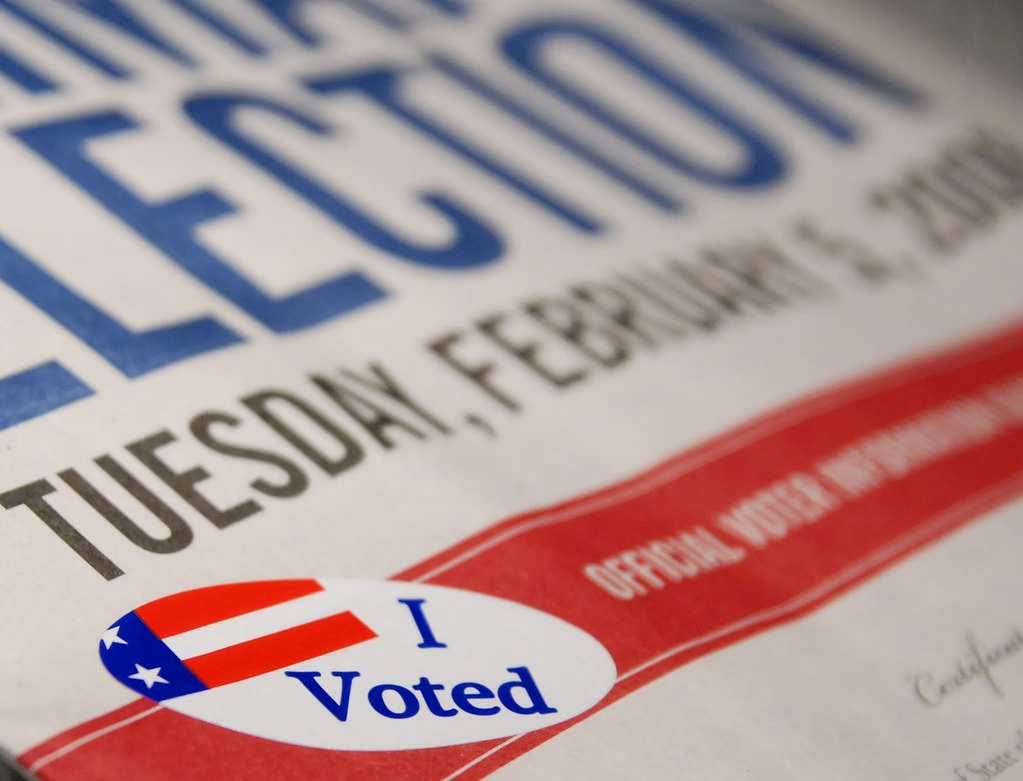
California voters are heading to the polls today to participate in a crowded primary election that will determine which candidates advance to the race to replace outgoing Democratic Governor Gavin Newsom. The contest, which features a sprawling field of hopefuls from both major parties, marks a pivotal moment for the nation’s most populous state as it navigates challenges ranging from economic instability to housing affordability.
The Context of a Political Transition
The upcoming vacancy follows the conclusion of Governor Newsom’s tenure, setting off a competitive scramble to lead the state’s executive branch. Because California utilizes a top-two primary system, all candidates appear on a single ballot regardless of party affiliation, with the two individuals receiving the most votes—regardless of party—advancing to the general election in November.
This structure often creates unpredictable outcomes, particularly when multiple high-profile candidates from the same party split the vote. Historically, this system has occasionally resulted in general elections that feature two Democrats or two Republicans, further complicating the strategic landscape for party leaders.
The Candidates and the Campaign Landscape
The candidate field is heavily populated, reflecting the influence and scale of California politics. Democratic contenders have largely focused their platforms on environmental sustainability, social equity programs, and strengthening the state’s public education system. Conversely, Republican candidates are centering their campaigns on fiscal conservatism, regulatory reform, and addressing the rising cost of living that has prompted concerns among voters.
Polling data released by the Public Policy Institute of California (PPIC) indicates that while party identification remains a strong predictor of voter preference, a significant segment of the electorate remains undecided. Analysts suggest that the high number of candidates has made it difficult for individual campaigns to build name recognition, leading to a focus on digital advertising and grassroots mobilization in the final weeks.
Industry and Voter Implications
For the average Californian, the outcome of this primary will dictate the policy trajectory of the state for the next four years. Industry leaders in the technology and agricultural sectors are monitoring the race closely, as the next governor will hold significant sway over tax policy, labor regulations, and climate change mandates that directly impact the state’s economic output.
Political consultants note that voter turnout will be the defining factor of the election. With early voting and mail-in ballots becoming the standard, campaigns have shifted their resources toward





















Leave a Reply