


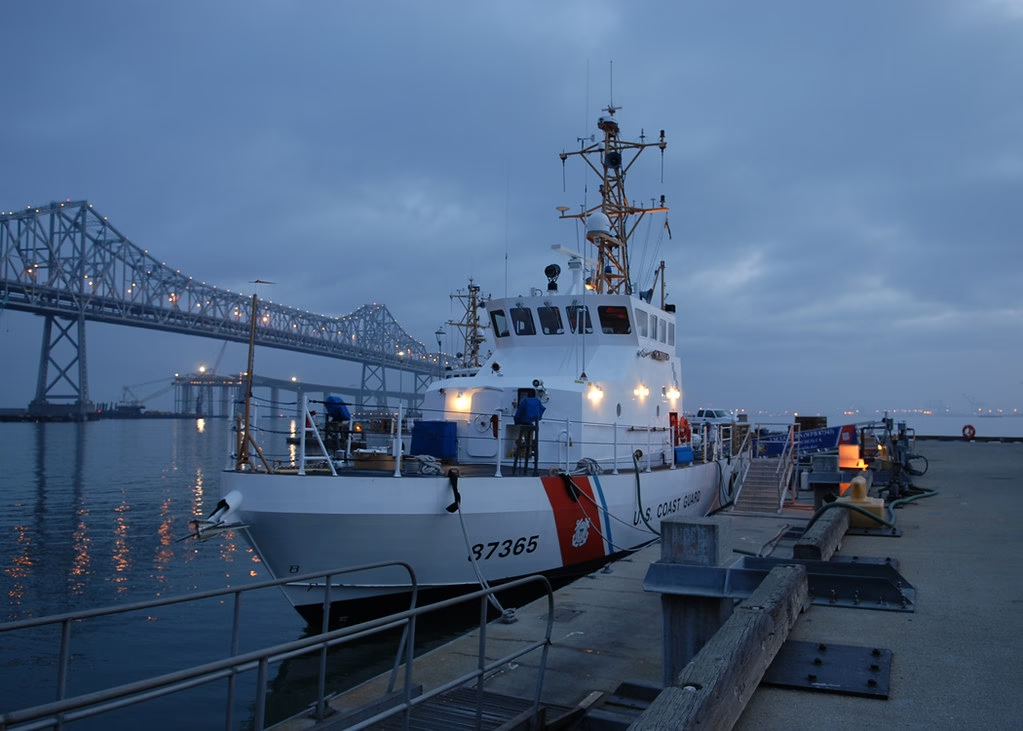
U.S. military forces intercepted and engaged a suspected drug-smuggling vessel in the eastern Pacific Ocean this week, resulting in the deaths of two individuals. The operation, conducted as part of ongoing counter-narcotics efforts in international waters, marks another high-stakes encounter in the U.S. Southern Command’s (SOUTHCOM) persistent mission to disrupt maritime trafficking corridors.
The Context of Maritime Interdiction
The eastern Pacific remains a primary transit zone for illicit narcotics moving from South America toward North American markets. For decades, the U.S. Coast Guard, often operating alongside U.S. Navy assets, has maintained a robust presence in the region to intercept “go-fast” boats—low-profile, high-speed vessels designed to evade radar detection.
These missions are governed by international maritime law and bilateral agreements with partner nations, allowing U.S. forces to board and inspect vessels suspected of trafficking. While most interdictions result in peaceful boarding and subsequent prosecution, the environment is inherently volatile, frequently involving high-speed chases and armed confrontations.
Operational Dynamics and Tactics
U.S. military officials have maintained that the use of force is a measure of last resort, typically reserved for scenarios where suspects exhibit hostile intent or fail to comply with lawful orders to heave to. The recent incident underscores the tactical complexities faced by boarding teams who must balance the need for safety with the objective of securing evidence.
Intelligence gathering remains a cornerstone of these operations. Advanced surveillance technology, including long-range patrol aircraft and satellite imagery, allows SOUTHCOM to pinpoint vessels long before they reach coastal waters. This persistent monitoring has led to a record-breaking volume of drug seizures over the past several years, totaling billions of dollars in street-value narcotics.
Expert Perspectives on Regional Security
Maritime security analysts suggest that the increasing frequency of these encounters reflects a shift in cartel strategy. As traditional land routes face heightened scrutiny, criminal organizations are increasingly relying on sophisticated, semi-submersible craft and rapid maritime vessels to bypass security checkpoints.
“The maritime domain is vast and difficult to police, making it an attractive pathway for transnational criminal organizations,” says Dr. Elena Rodriguez, a security policy researcher. “When the U.S. military increases pressure, traffickers often respond with more aggressive tactics, leading to the types of violent escalations we are seeing in the Pacific theater.”
Broader Implications for Counter-Narcotics
For the U.S. government, these incidents highlight the limitations of a purely interdiction-based strategy. While capturing illicit cargo prevents narcotics from reaching the streets, the loss of life during these operations frequently triggers diplomatic friction and investigations into the rules of engagement used by military personnel.
The industry is now bracing for a potential shift in how these operations are conducted. Following this latest incident, military leadership is expected to conduct a formal review of the engagement protocols to determine if current tactics remain sufficient for the evolving nature of maritime threats. Observers should watch for upcoming policy statements from the Department of Defense regarding potential changes to boarding procedures and the integration of non-lethal technologies designed to disable vessels without endangering the lives of those on board.




















Leave a Reply