



The Financial Reality of Supporting Relatives
Providing unpaid assistance to aging parents, spouses, or adult relatives is a role millions of individuals undertake every single year. However, this profound personal dedication often comes with a severe financial burden. Many families face unexpected expenses ranging from home modifications to costly medical equipment and professional care services. These mounting costs frequently drain personal savings and retirement funds, forcing everyday people into difficult economic situations.
Beyond immediate out-of-pocket expenses, the responsibility often requires individuals to reduce their work hours or leave their jobs entirely. This loss of income compounds the financial strain, creating long-term instability for the caregiver and their household. As these economic challenges grow, the issue has transformed from a private family matter into a significant public policy concern.
Political Implications in Competitive Races
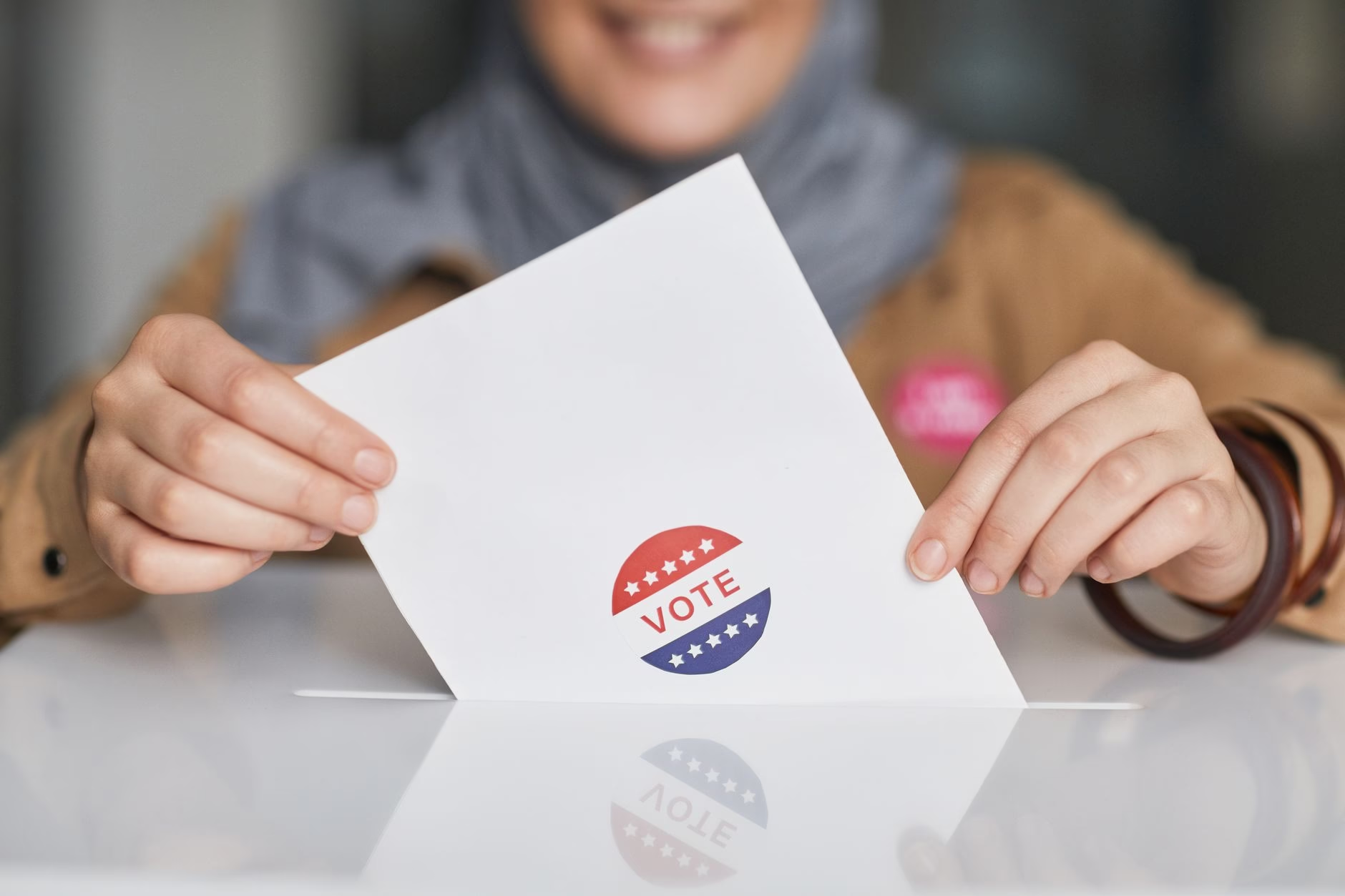
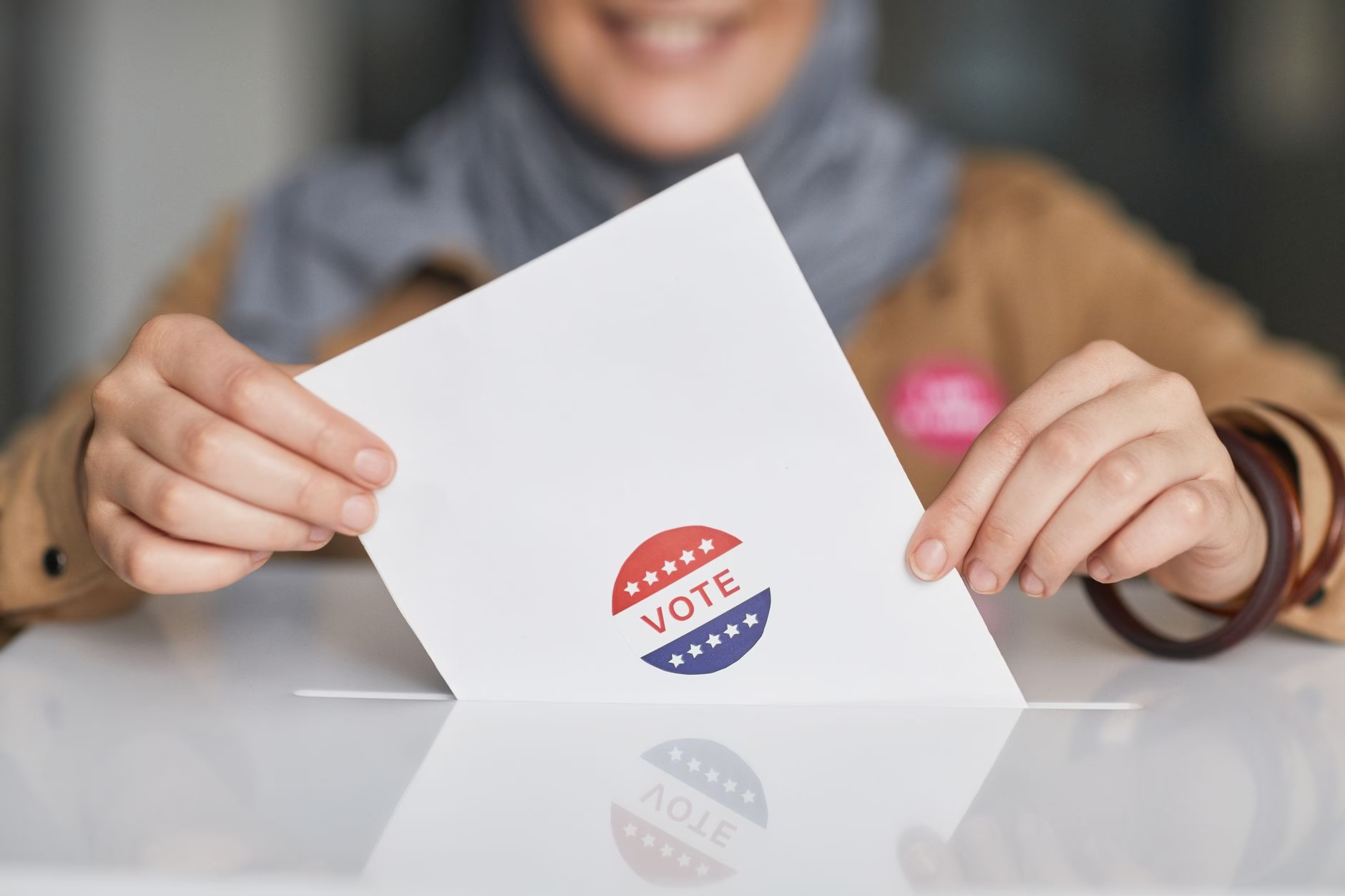
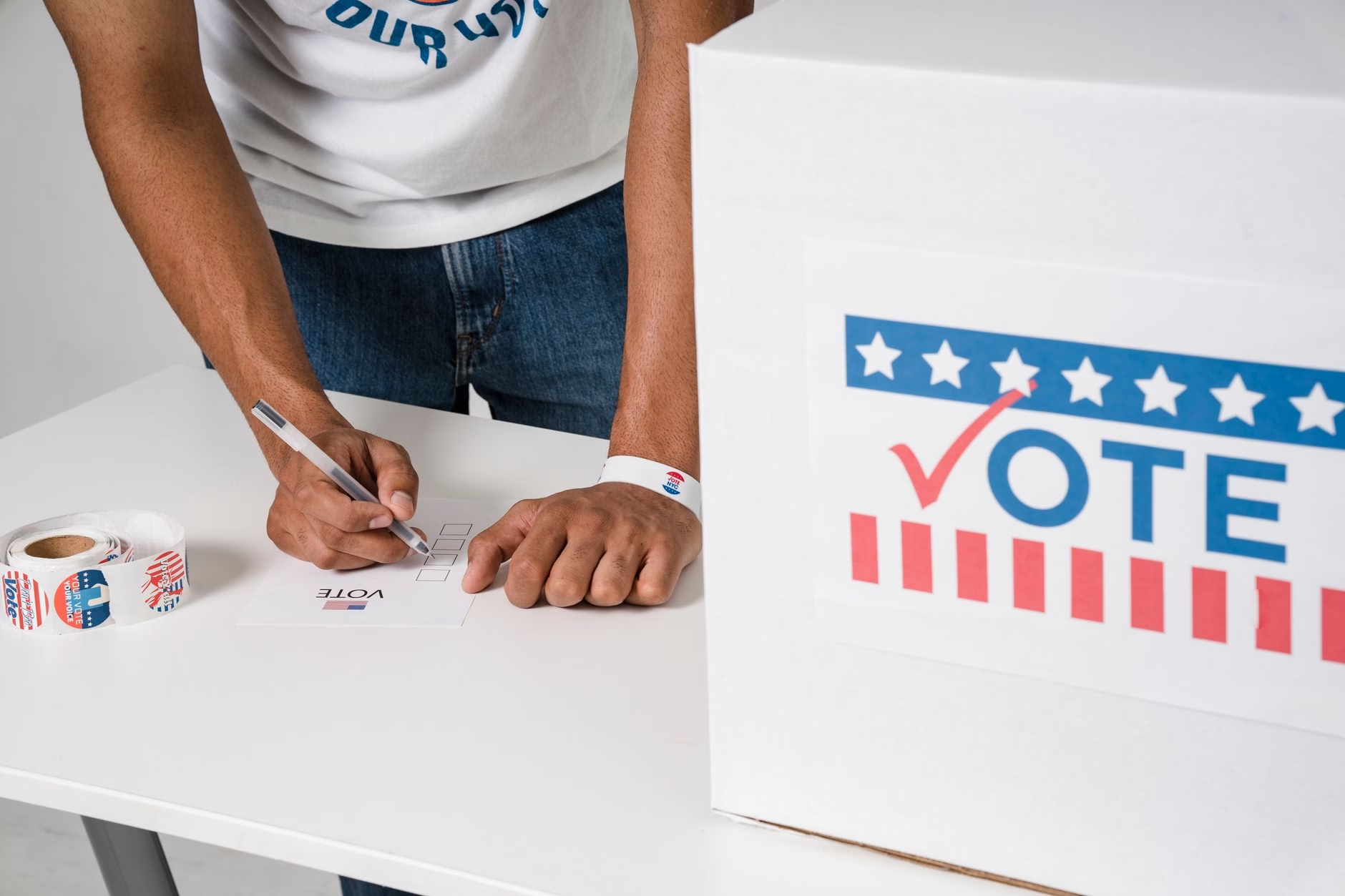
Recent polling data reveals that proposals aimed at assisting family caregivers could heavily influence the upcoming midterm congressional elections. Voters living in highly competitive districts are paying close attention to how political candidates plan to address this widespread issue. Measures such as tax credits, paid family leave, and financial stipends are becoming central topics of discussion during campaign trails.
Politicians who offer concrete solutions to ease the economic pressure on households may find a receptive audience at the ballot box. Conversely, candidates who ignore the reality of eldercare and family support risk alienating a large block of motivated constituents. The polling suggests that support for these initiatives is not merely a nice-to-have policy, but a decisive factor in closely contested races.
Shaping the Future of Eldercare Policy
The intersection of personal financial hardship and electoral politics highlights an urgent need for systemic reform. Lawmakers at both the state and federal levels are facing increased pressure to recognize the vital role that informal caregivers play in society. Without adequate public infrastructure to support these individuals, the healthcare system as a whole risks buckling under the weight of an aging demographic.
As election season progresses, the conversation around elder and adult support will likely intensify. Voters are demanding practical leadership that addresses the high cost of living associated with caregiving. How candidates respond to this challenge could very well determine the balance of power in Congress and pave the way for lasting legislative change.





















Leave a Reply