


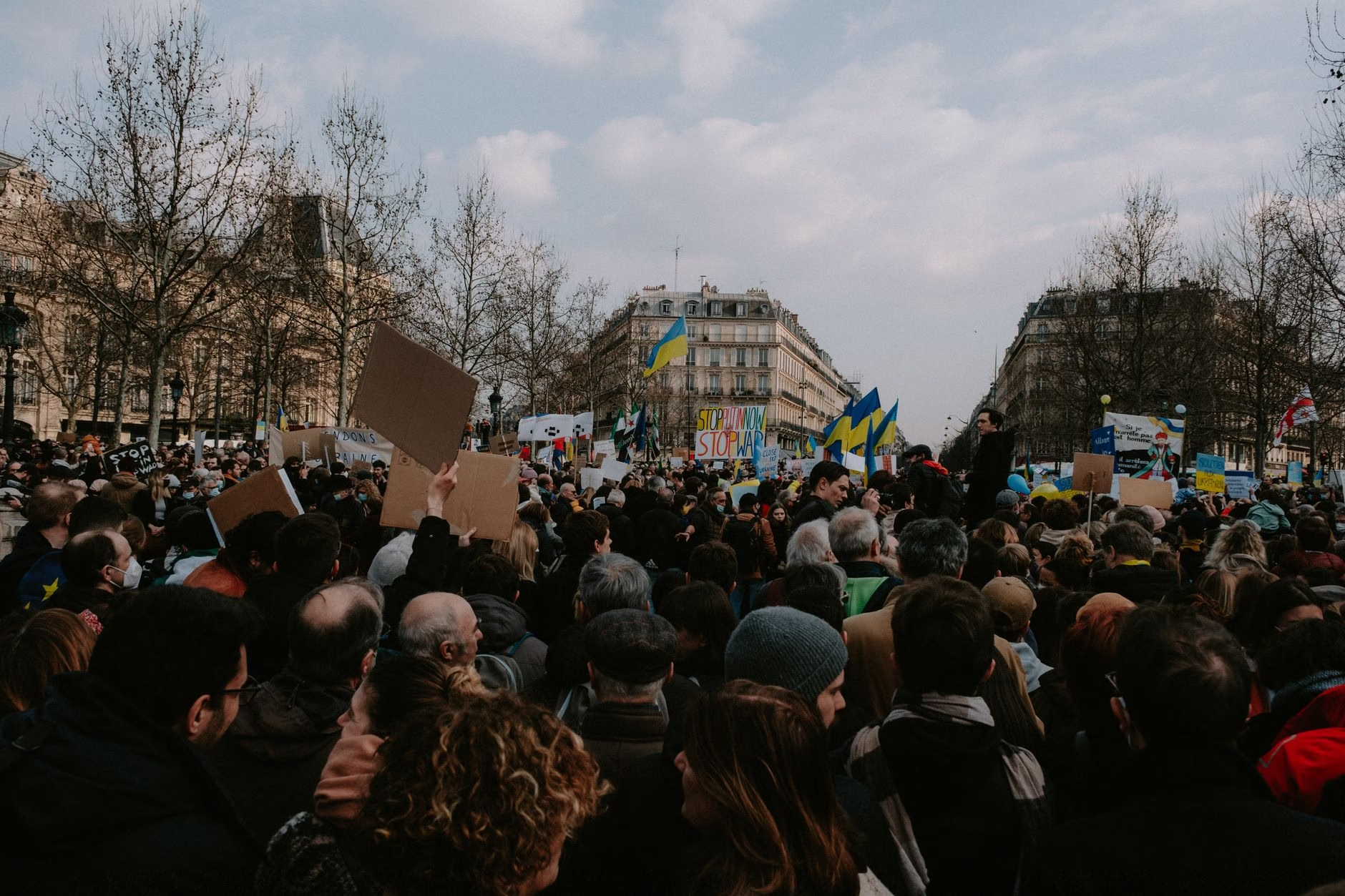
The Landscape of Modern French Unrest
Recent disruptions across major French urban centers have created a volatile atmosphere. In various communities, rioters have engaged in extensive vandalism, looting commercial establishments, torching private automobiles, and setting municipal buildings ablaze. These scenes of intense public disorder have shocked observers and left communities grappling with property damage and safety concerns.
Such high-profile incidents of civil disobedience immediately capture the attention of the public and the media. They expose deep-seated societal tensions and bring questions of law enforcement, integration, and public order to the forefront of national discourse. As smoke rises from burning vehicles and storefronts are ransacked, the political ramifications begin to unfold rapidly.
Political Exploitation of Chaos
Whenever widespread unrest occurs, political factions quickly move to frame the narrative. Parties positioned on the far right of the political spectrum often view these chaotic weekends as prime opportunities to validate their long-standing warnings regarding security and governance. By emphasizing images of destruction and lawlessness, these political leaders present themselves as the sole defenders of public order and traditional societal values.
The strategic objective during such crises is to convince the electorate that the current administration has lost control of the nation’s streets. Through calculated public statements and media appearances, far-right figures draw a direct line between the riots and broader failures in immigration policy and judicial enforcement. This rhetoric resonates strongly with voters who feel anxious about their personal safety and the preservation of local communities.
Shifting Public Opinion Toward Authority
Periods of intense social friction naturally lead to a heightened demand for authority and stability among citizens. As businesses suffer losses and neighborhoods face disruption, the desire for decisive government action intensifies. The far right leverages this psychological shift by advocating for harsher penalties, increased police powers, and stricter border controls.
This messaging allows conservative and nationalist politicians to broaden their appeal beyond their traditional base. By focusing heavily on themes of safety and national sovereignty, they successfully reframe complex socio-economic challenges into a simple binary choice between total lawlessness and firm authoritarian governance. Consequently, the chaos on the streets indirectly fuels a steady climb in political momentum for these movements.
The Road Ahead for French Governance
As the smoke clears and communities begin the arduous process of rebuilding, the political landscape is permanently altered. The debates sparked during these weekends of violence continue to influence legislative agendas and voter intentions long after the physical damage has been repaired.
For the ruling administration, addressing the root causes of the unrest while countering the opportunistic narratives of the political opposition remains a formidable challenge. Meanwhile, the far right continues to use these critical junctures to steadily position itself as a viable and dominant force in future electoral contests, reshaping the trajectory of national politics for years to come.















Leave a Reply