


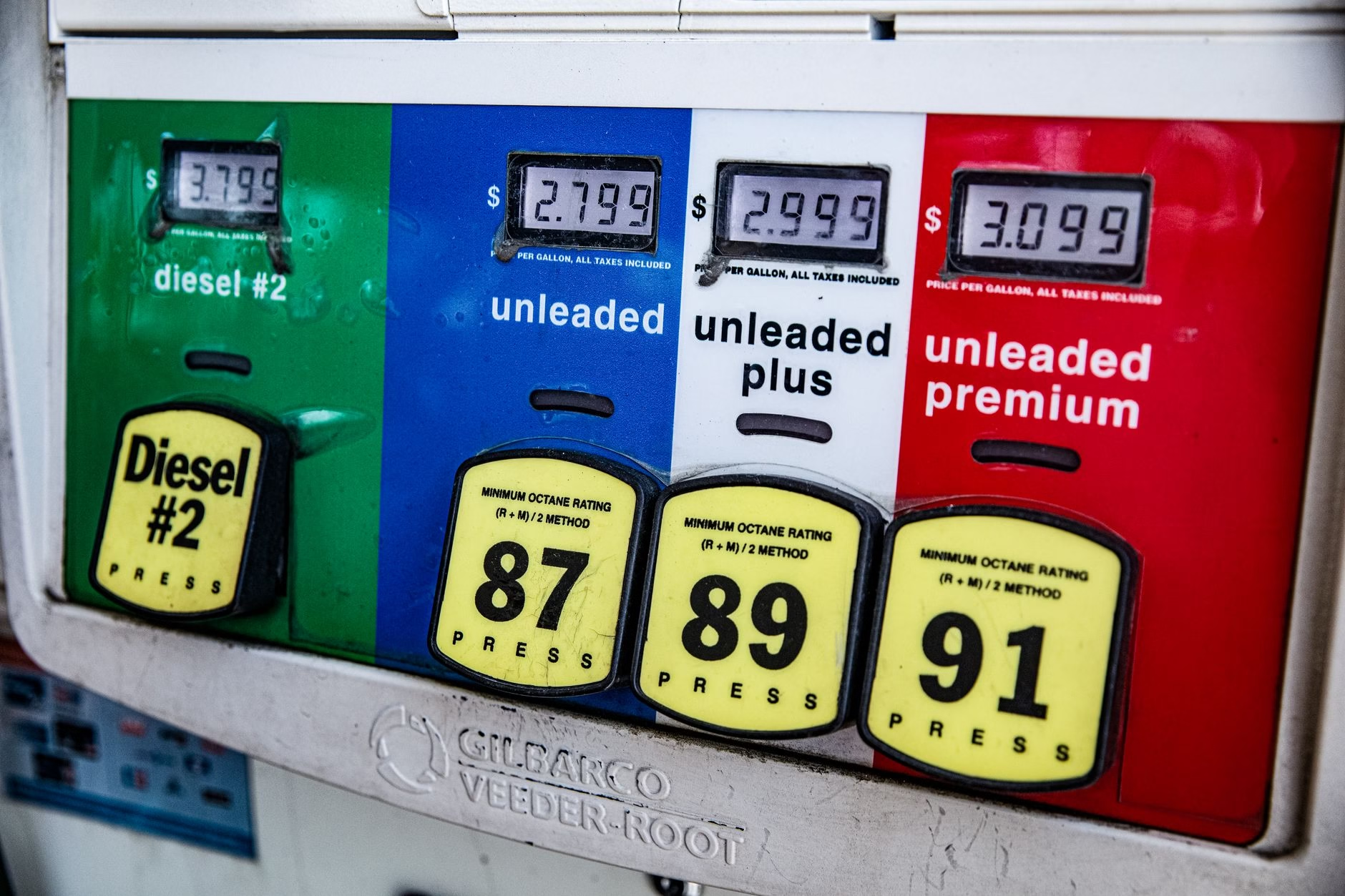
Crude oil valuations experienced a notable upward trajectory during early Tuesday trading sessions, reflecting how global energy markets are recalibrating to ongoing geopolitical shifts in the Middle East. Traders and analysts are closely monitoring these developments as the industry adjusts to a shifting baseline of supply stability and regional dynamics. This market response signals potential ripple effects for consumers worldwide, particularly regarding fuel expenses at the local pump.
The Evolution of Energy Markets
For months, market participants have attempted to forecast the trajectory of petroleum commodities amid a complex backdrop of international relations and supply chain adjustments. The latest pricing surge demonstrates the sensitivity of crude markets to any disruption or perceived shift in key producing regions. As stakeholders evaluate the emerging operational landscape, financial institutions and energy analysts are revising their near-term forecasts to account for sustained volatility.
Impact on Consumer Fuel Costs
Fluctuations in the crude sector invariably translate to shifts in retail gasoline prices for everyday drivers. The recent upward movement in petroleum futures threatens to elevate fuel expenditures significantly at an economically sensitive time. With national elections scheduled to take place in a matter of weeks, household budgets and cost-of-living concerns remain at the forefront of public consciousness. Higher fuel expenses directly influence transportation, logistics, and broader retail pricing structures across the economy.
Looking Ahead at Market Stability
As the energy sector navigates this transitional period, policymakers and industry leaders continue to assess measures that might mitigate sudden pricing shocks. The delicate balance between global supply capabilities and fluctuating demand will dictate market directions in the coming weeks. While stakeholders hope for stabilization, the immediate future of petroleum valuations remains closely tied to geopolitical developments and ongoing evaluations of regional stability.




















Leave a Reply