


The Roots of Unrest
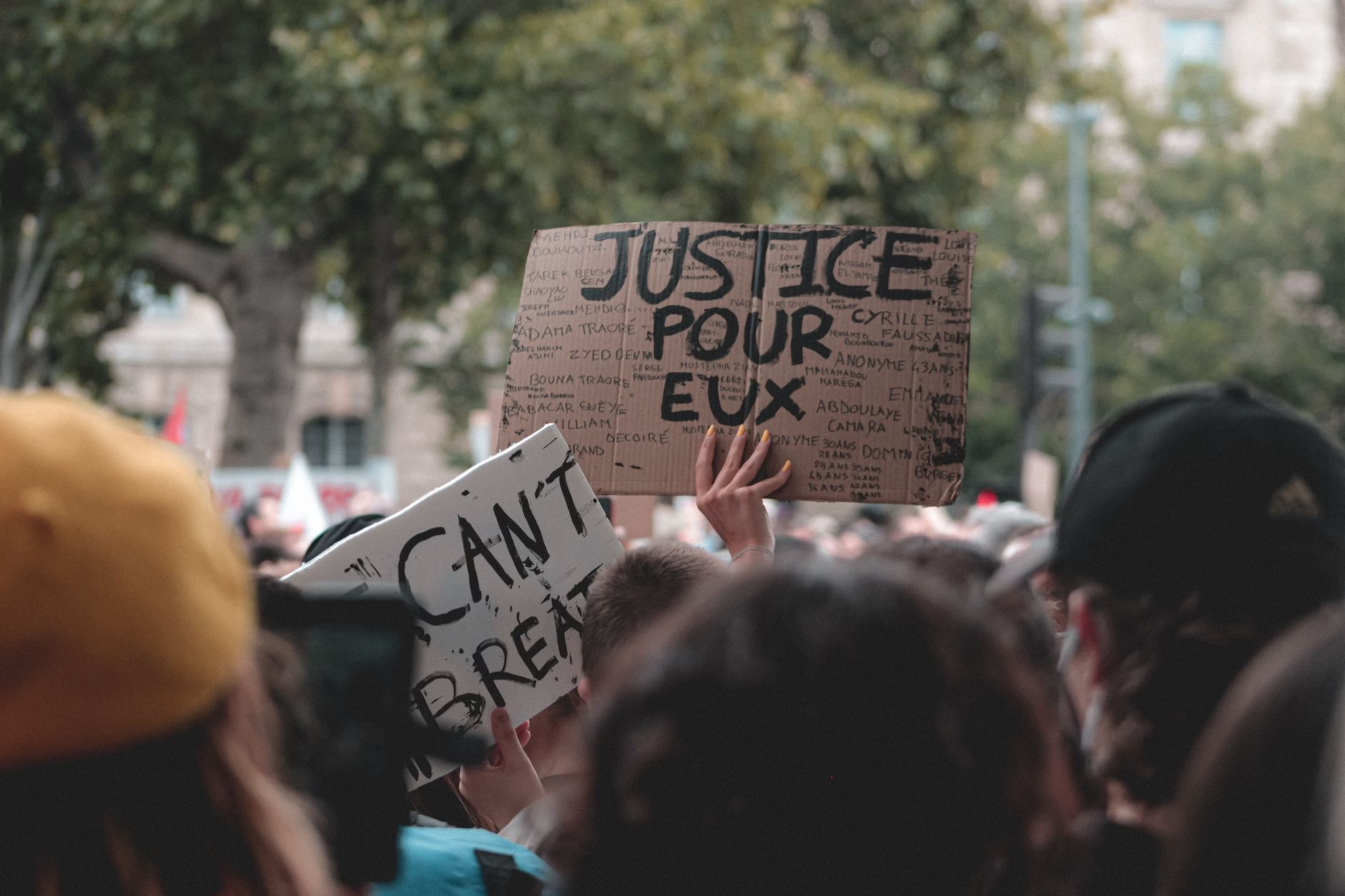
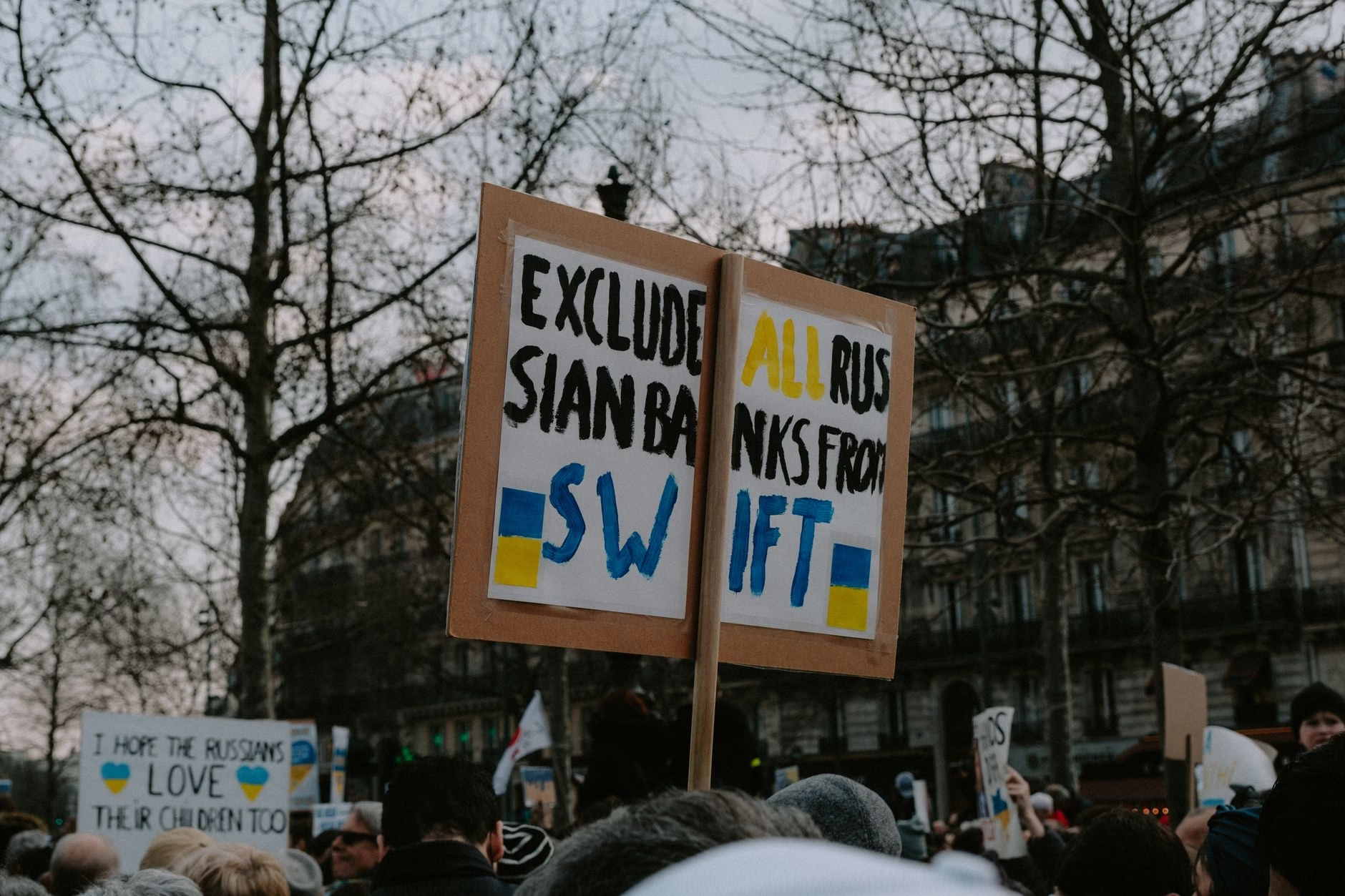
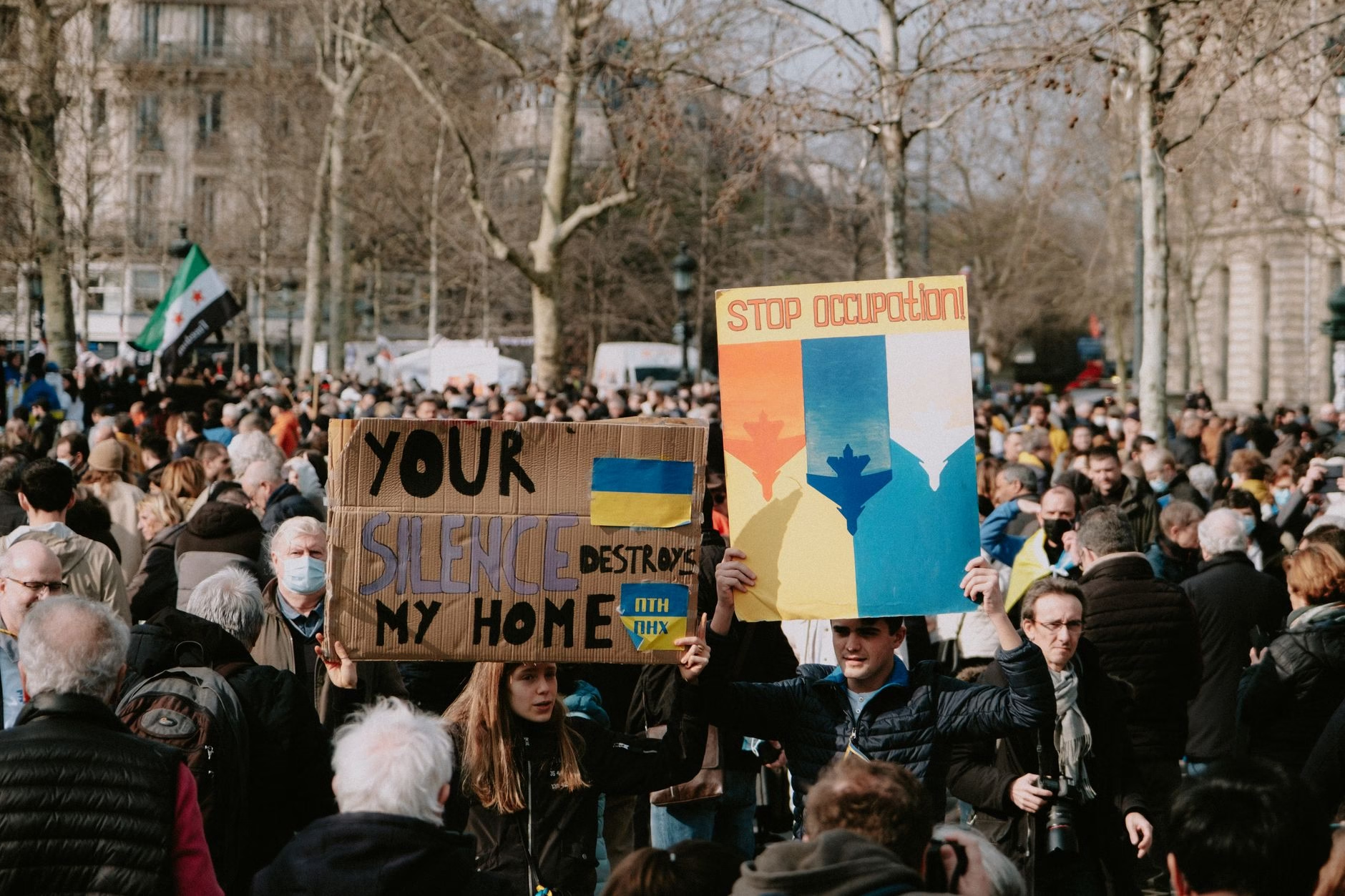
Public demonstrations started recently within high schools located in the economically disadvantaged northern suburbs of the French capital. Initially centered on grievances regarding the educational system, these student actions quickly evolved into broader expressions of frustration concerning deep-seated societal inequality.
Escalating Living Costs
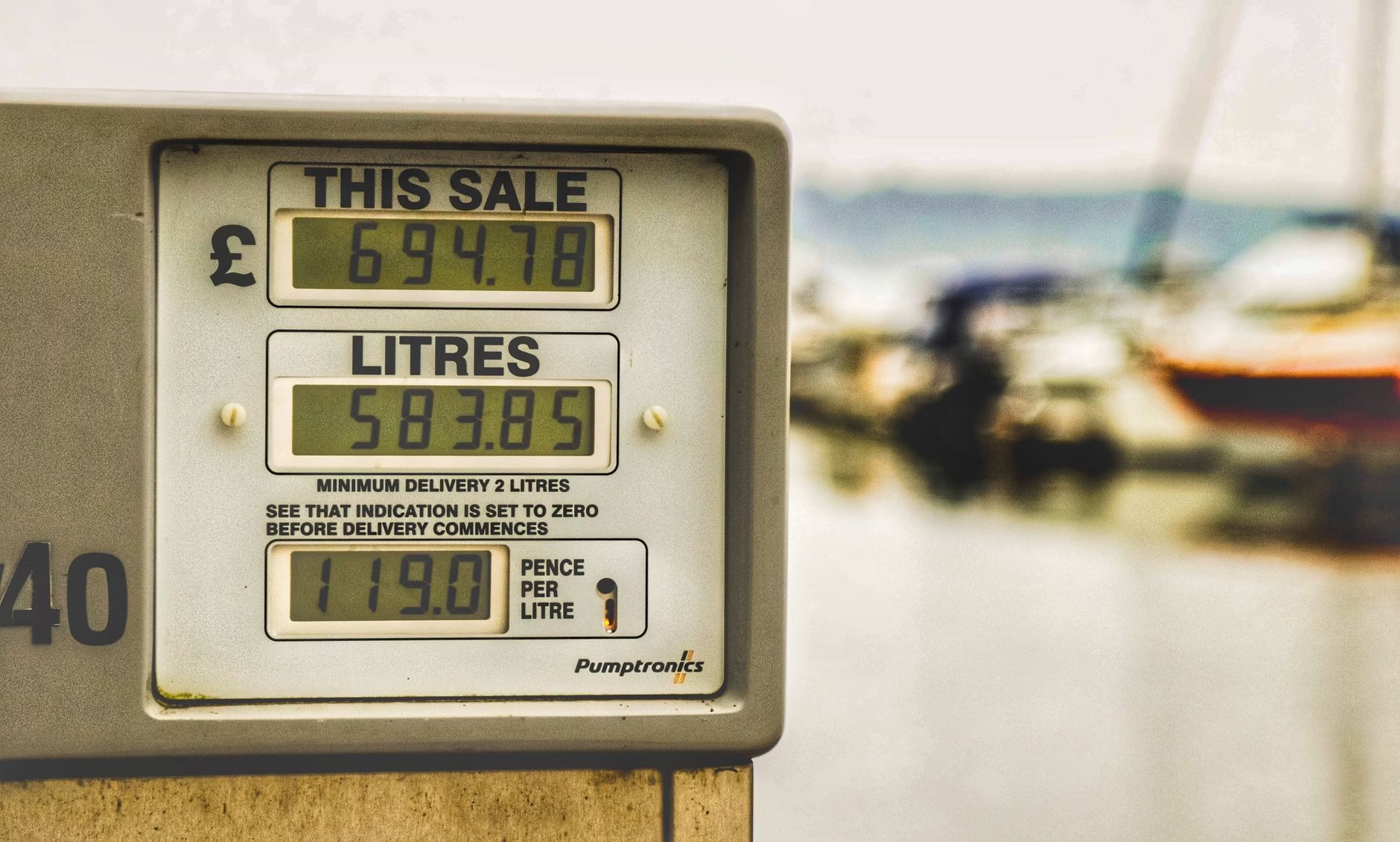
As months progressed, the demonstrations drew in a much wider segment of the population. Citizens from various backgrounds joined the movement, driven primarily by the severe financial pressure of rising consumer prices. The cost of everyday essentials, housing, and energy has placed an immense strain on working-class households.
Socioeconomic Strain
Observers note that the current wave of civil unrest reflects long-standing discontent with economic policies. Many participants argue that the gap between wealthy urban centers and peripheral neighborhoods continues to widen. This disparity has intensified feelings of abandonment among marginalized communities.
Government Response
Authorities have monitored the situation closely as public gatherings continue to affect daily routines in major urban areas. Leaders face mounting pressure to address the underlying economic concerns without escalating tensions further. The situation remains fluid as community organizers and officials seek viable solutions to ease the financial burden on citizens.

















Leave a Reply