


Background of the Olive Harvest Violence
The annual olive harvest in the occupied West Bank faced a violent disruption when a large group of militant Israeli settlers targeted a local village. The coordinated assault marred what is traditionally a peaceful and vital economic period for Palestinian farmers. Eyewitness accounts and reports from the scene confirmed that the attackers used fire and projectiles to terrorize the community during the gathering of crops.
Destruction of Agricultural Lands
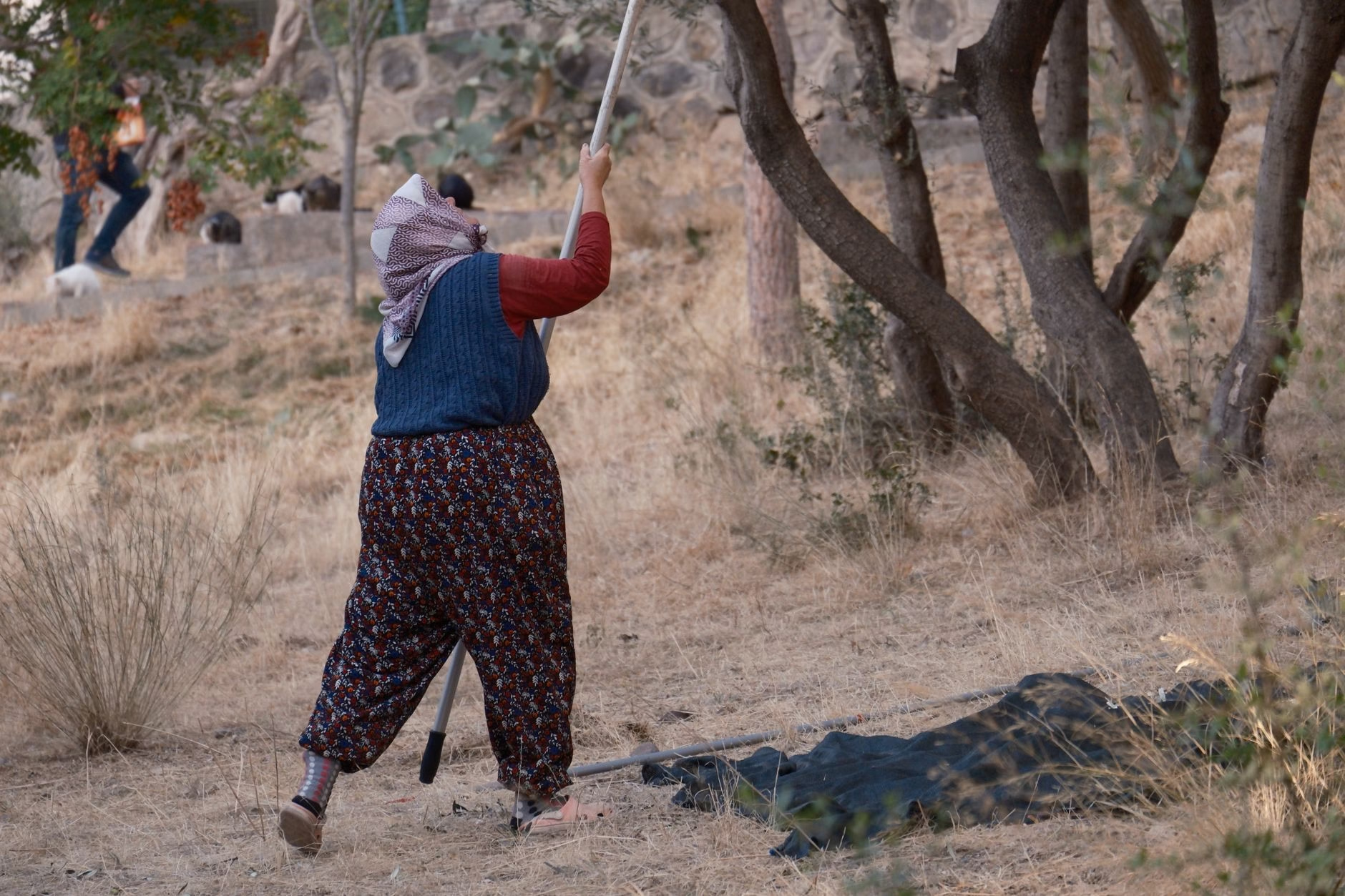
During the incident, the perpetrators set fire to numerous olive trees, causing significant agricultural damage. Olive groves hold deep cultural and financial value for the local population, serving as a primary source of livelihood for many families in the region. The intentional destruction of these trees represents a severe blow to the agrarian economy of the affected village, compounding the daily challenges faced by residents under occupation.
Reported Injuries and Casualties
Beyond the environmental and property damage, the violence resulted in physical harm to individuals present at the scene. At least two people sustained injuries after being struck by rocks thrown by the aggressive crowd. Among the injured was a professional journalist who was covering the events unfolding in the area. Medical personnel responded to the situation to provide necessary treatment to those affected by the clashes.
Broader Context of Tensions
This event adds to a growing pattern of friction and hostility in the West Bank, particularly during seasonal agricultural activities that bring communities into contested areas. Incidents involving settler actions and local residents often heighten regional instability, drawing concern from observers monitoring the safety of civilians and press workers operating in volatile zones.
Ongoing Security Concerns
Local authorities and community leaders continue to monitor the aftermath of the assault, assessing the full extent of the damage to the groves and property. The incident highlights the persistent risks associated with agricultural work in friction-heavy zones of the territory, where routine seasonal events can rapidly escalate into confrontations requiring intervention and sustained attention from safety monitors.



















Leave a Reply