



Political Tensions Rise Over Energy Markets
Former United States President Donald Trump has sharply criticized Ukraine for restarting military operations targeting Russian energy infrastructure. In recent statements, Trump described the resumption of these drone and missile attacks on oil refineries as a significant setback, emphasizing the direct connection between global energy disruptions and the cost of fuel for American consumers.
The debate over these military actions comes at a critical time for domestic politics. With midterm elections approaching rapidly, political leaders are closely monitoring economic indicators that could influence voter behavior. Rising prices at the pump remain a primary concern for households across the country, creating political vulnerability for candidates who support ongoing foreign interventions without immediate domestic relief.
The Strategic Impact of Targeting Oil Refineries
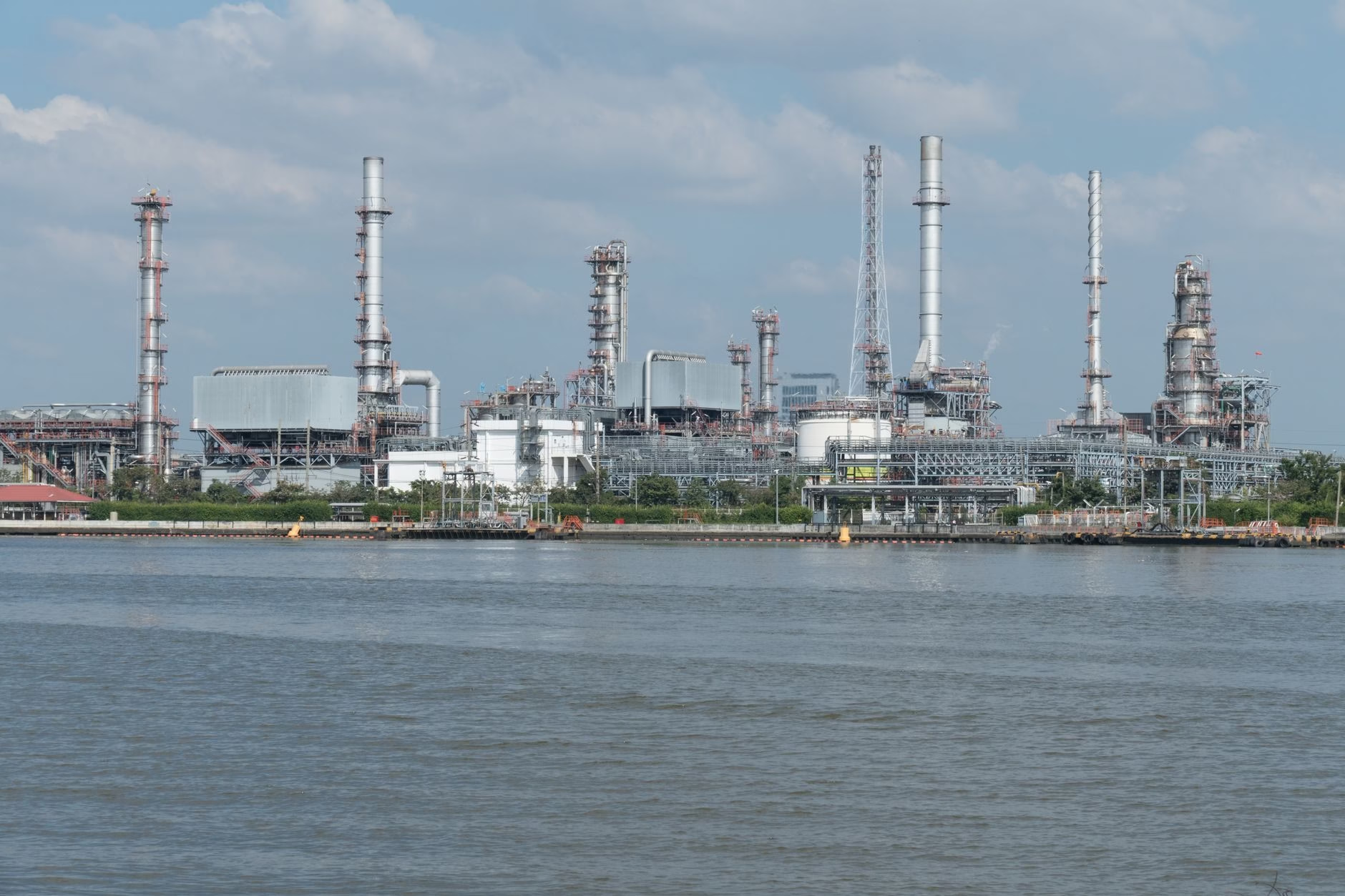
For months, military strategists in Kyiv have utilized long-range drones to strike key Russian petroleum facilities. These operations are designed to disrupt the supply chains fueling the opposing military forces and to diminish the export revenues that fund those operations. By reducing refining capacity, the strategy aims to exert economic and logistical pressure on the adversary.
However, these tactics carry unintended global consequences. Because Russia is a major supplier in the international energy market, any significant reduction in its processing capabilities tends to tighten global oil supplies. This dynamic frequently results in higher crude prices worldwide, which eventually translate into increased costs for drivers in Western nations, including the United States.
Political Fallout Ahead of Midterm Elections
Domestic political pressures in the United States have intensified as energy markets react to ongoing geopolitical conflicts. Administration officials and allied lawmakers face a difficult balancing act. They must maintain international support for the sovereign nation under attack while simultaneously protecting domestic consumers from inflationary shocks.
Critics of the current administration argue that a lack of diplomatic engagement has left the economy exposed to external shocks. The argument centers on the idea that prolonged military campaigns lacking clear economic containment measures ultimately harm working families. As election day draws closer, candidates across the political spectrum are using these economic anxieties to shape their campaign messaging and appeal to undecided voters.
Balancing Foreign Policy and Domestic Priorities
The ongoing debate highlights the complex relationship between international alliances and domestic economic well-being. Leaders are constantly forced to weigh the strategic benefits of supporting a strategic partner against the immediate domestic fallout of higher inflation and fuel costs.
As the situation develops, international observers and domestic politicians alike will be watching closely to see how military strategies adapt to political realities. The tension between global security objectives and domestic economic stability is likely to remain a central theme in political discourse for the foreseeable future.


















Leave a Reply