


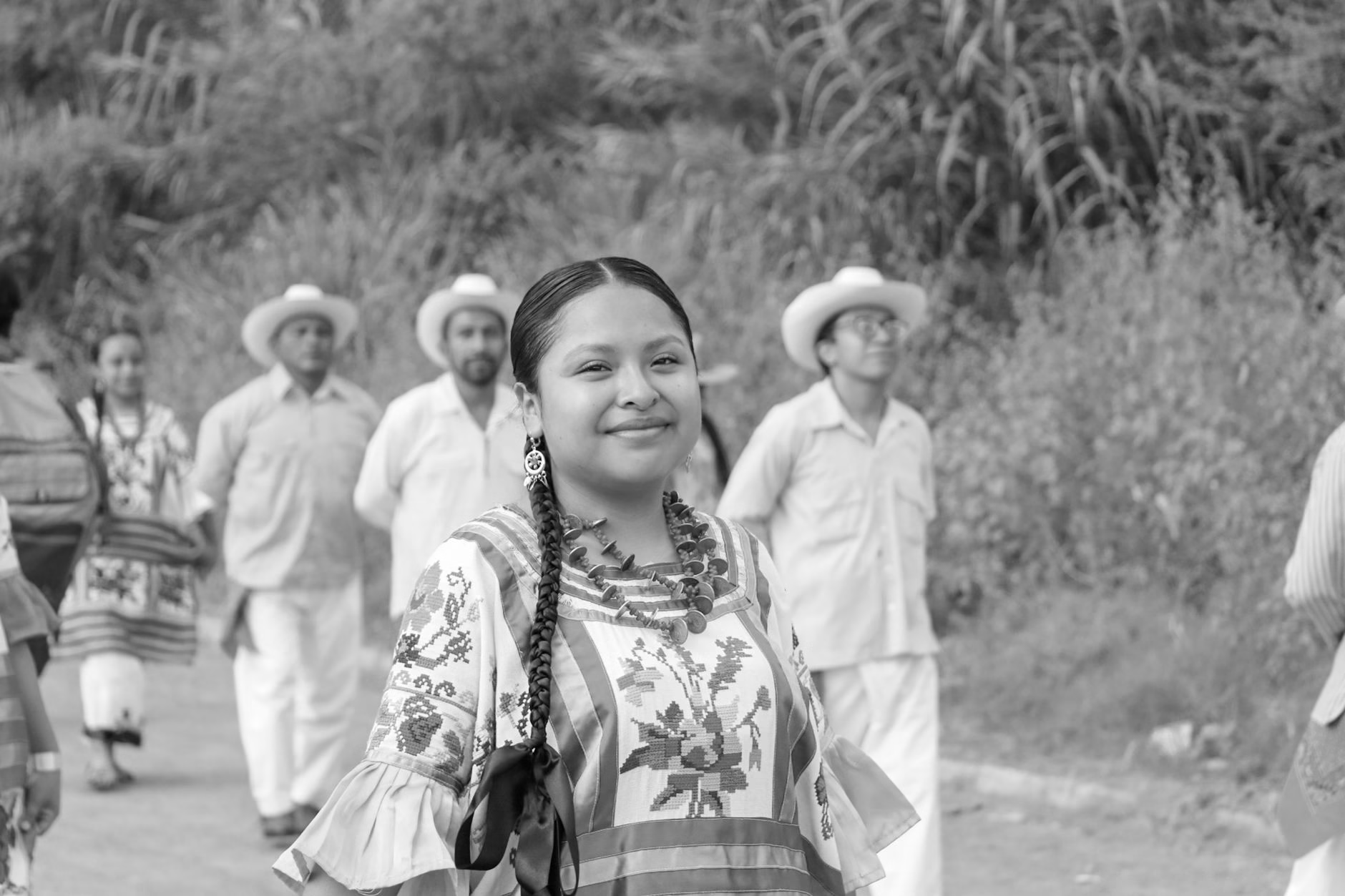
Understanding Indigenous Peoples Day
Indigenous Peoples Day stands as a powerful occasion dedicated to honoring the vibrant cultures, deep histories, and enduring resilience of Native American communities. Observed annually, this day serves as a vital platform for native populations to share their heritage with the broader public through time-honored traditions, artistic expressions, and public addresses. Rather than a singular focus, the observance encompasses a complex blend of joyous cultural expression, political activism, and a collective commitment to correcting historical inaccuracies.
The Evolution of the Observance
For generations, the second Monday in October was widely recognized solely as Columbus Day in various parts of the United States. However, growing awareness surrounding the violent colonization and mistreatment of Indigenous populations prompted a significant shift in perspective. Communities across the nation began advocating for an alternative observance that centers the original inhabitants of the land. Today, numerous states, cities, and institutions officially recognize Indigenous Peoples Day, reflecting a broader societal movement toward historical truth and inclusivity.
Celebration and Cultural Preservation
At the heart of the observance are vibrant gatherings that highlight the richness of Native American heritage. Traditional ceremonies, intricate dances, and powerful speeches take center stage in community centers, parks, and tribal lands. Elders pass down oral histories to younger generations, ensuring that ancestral languages and customs continue to thrive. These events provide an opportunity for indigenous individuals to showcase their enduring presence and vibrant contributions to modern society, countering historical narratives that often portrayed them as vanishing populations.
Protest and Reclaiming History
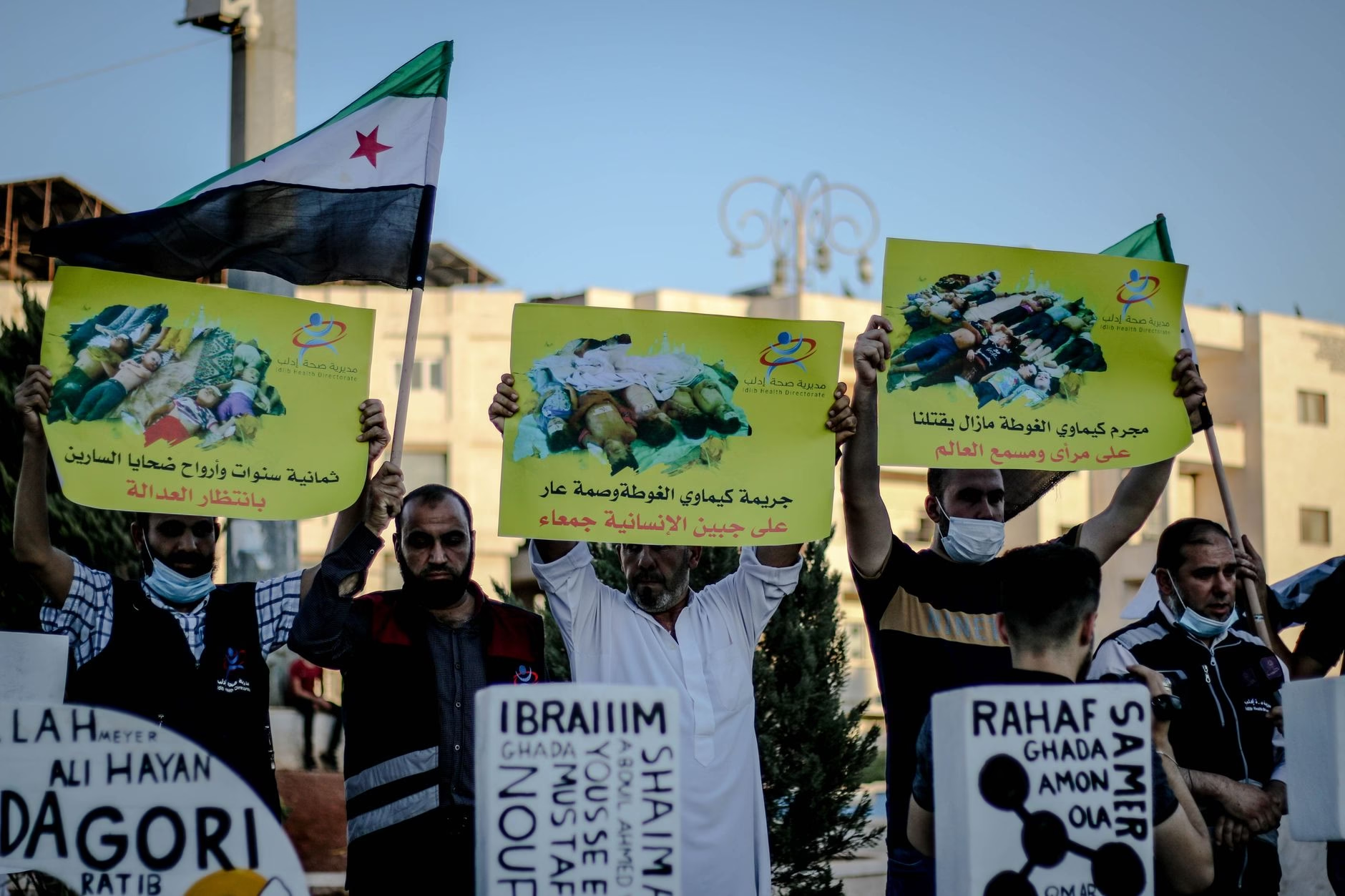
Beyond the festivities, the day maintains a strong foundation of advocacy and protest. Activists use the occasion to draw attention to ongoing systemic challenges faced by native communities, including land rights disputes, environmental concerns, and the crisis of missing and murdered indigenous relatives. By demanding systemic reform and greater visibility, participants actively reclaim their narrative from centuries of colonial distortion. Education plays a crucial role in this process, as advocates push for more accurate and comprehensive curricula in schools regarding the true history of the Americas.
Looking Toward the Future
As recognition of Indigenous Peoples Day continues to expand, it fosters a deeper understanding between native and non-native populations. The observance encourages individuals to reflect on the past while actively participating in a more equitable future. Through education, dialogue, and cultural exchange, society moves closer to honoring the true stewards of the land and acknowledging their permanent place in the modern world.

















Leave a Reply