


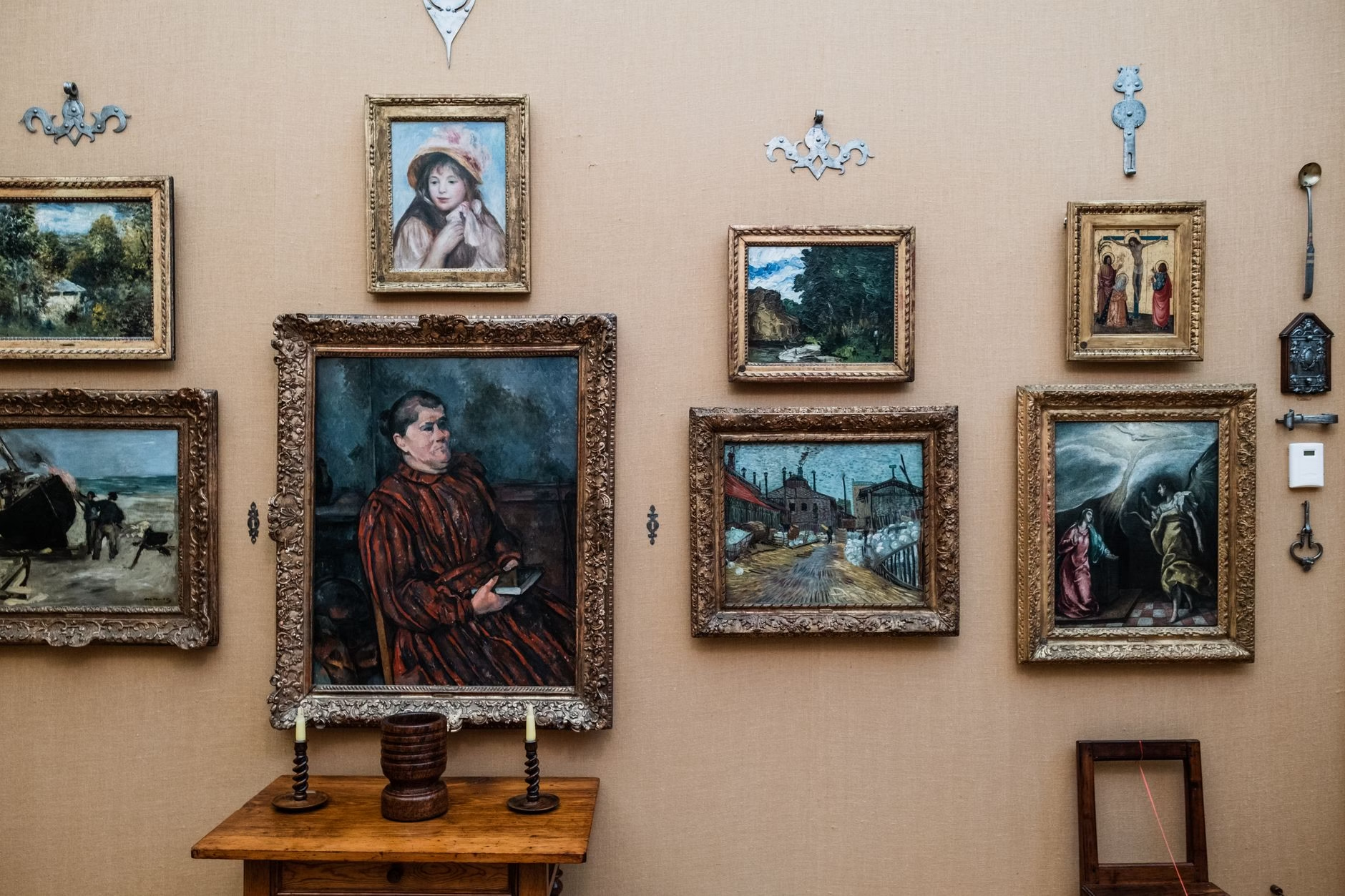
Art Recovery and Museum Security
Recovering stolen masterpieces represents one of the most challenging tasks for law enforcement agencies worldwide. When valuable cultural artifacts disappear from public institutions, the impact extends far beyond financial loss. Authorities must navigate complex criminal networks while racing against time to protect fragile pieces from permanent damage.
The Museum Heist
Criminals executed a daring break-in targeting a regional art museum under the cover of darkness. The perpetrators successfully breached the security perimeter and targeted a collection of renowned impressionist works. During the chaotic escape, the thieves managed to abscond with two highly prized paintings by Pierre-Auguste Renoir. However, due to the pressure of the situation or unexpected complications, they were forced to abandon two additional works at the scene as they fled.
Financial Estimation and Significance
Art market experts evaluated the collective worth of the four targeted pieces at approximately ten million dollars. The loss of such culturally significant artifacts sent shockwaves through the global artistic community. Public galleries and private collectors alike rely on robust security protocols to deter criminal enterprises from targeting irreplaceable pieces of history.
The Discovery
Investigators eventually traced clues leading to the unexpected location of the missing artwork. Authorities discovered the stolen Renoir paintings concealed carefully behind a structural cinder block wall. This clever hiding spot highlights the lengths to which perpetrators go to evade detection by law enforcement and art recovery specialists.
Investigation Ongoing
Police and specialized art crime units continue their investigation to identify all individuals involved in the museum break-in. Recovering the physical artwork marks a major milestone in the case, but bringing the perpetrators to justice remains the ultimate objective for authorities. Security experts anticipate that this incident will prompt cultural institutions globally to reevaluate their surveillance and physical protection measures.


















Leave a Reply