


Political Dynamics and Middle East Policy
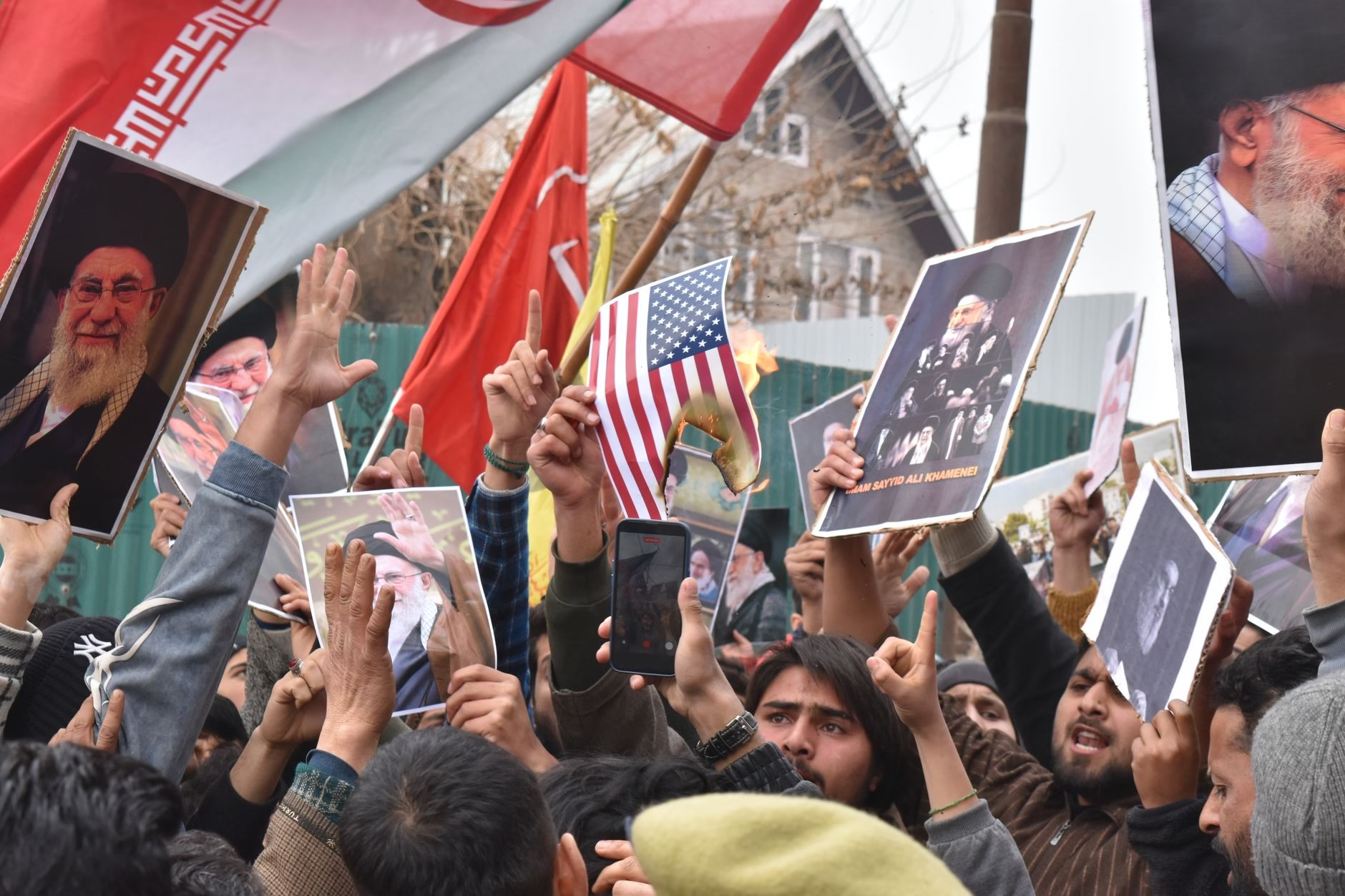
Former President Donald Trump recently addressed foreign policy concerns regarding the Middle East. He made it clear that the United States government has no plans to engage in a military conflict with Iran before the upcoming midterm elections. This statement aims to calm anxieties about potential escalation in the region during a politically sensitive period for the administration.
Timing of Foreign Policy Decisions
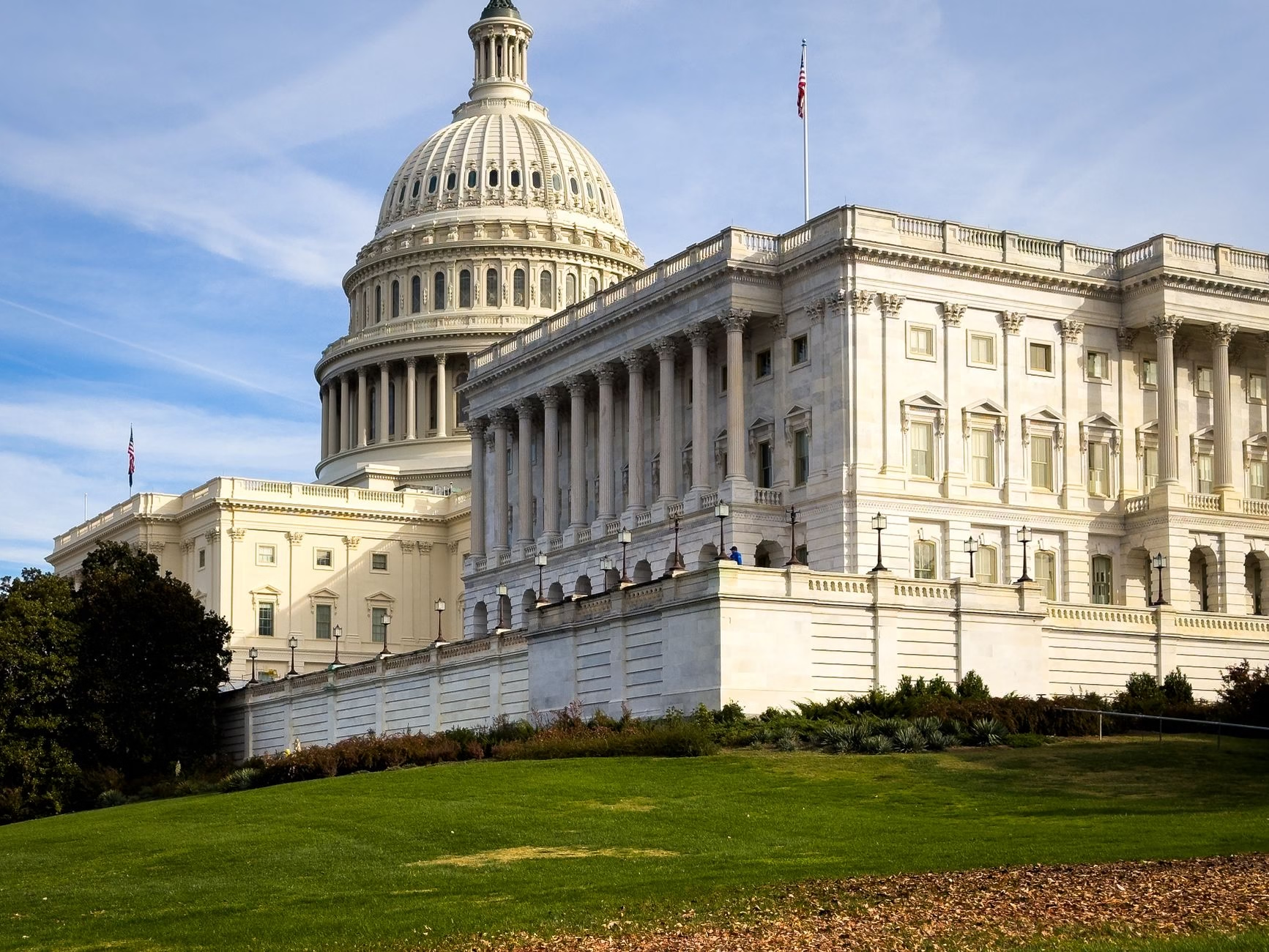
The intersection of domestic politics and international relations often creates intense speculation among analysts and the public alike. By setting a definitive timeline regarding military restraint, the administration seeks to separate its electoral schedule from its strategic defense decisions. Observers have closely monitored tensions between Washington and Tehran, wondering how upcoming domestic votes might influence broader geopolitical strategies.
Strategic Considerations in the Region
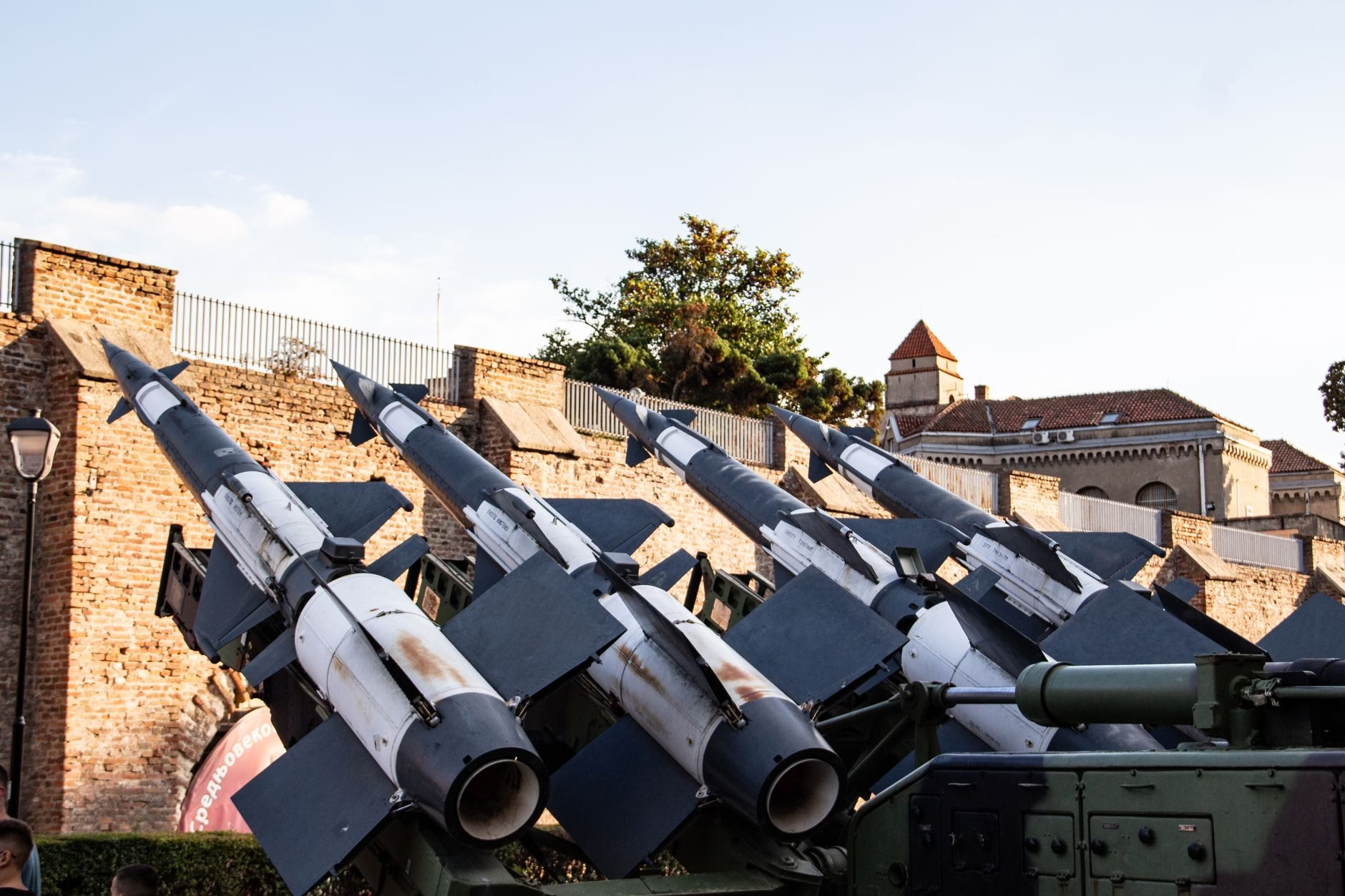
Relations between the United States and Iran have remained complex for decades, characterized by diplomatic standoffs, economic sanctions, and intermittent military posturing. While defense officials continuously evaluate readiness and regional security threats, political leadership weighs the broader domestic implications of major foreign engagements. Setting clear expectations helps stabilize markets and reassures allies who closely follow American political cycles.
Looking Ahead to the Midterms
As election day approaches, domestic issues traditionally take center stage for voters across the country. Foreign policy statements from high-ranking officials help shape the national conversation and provide clarity on major strategic initiatives. The assurance that military action against Iran is off the table for the immediate future provides a predictable framework for both domestic observers and international partners as the political season reaches its climax.



















Leave a Reply