


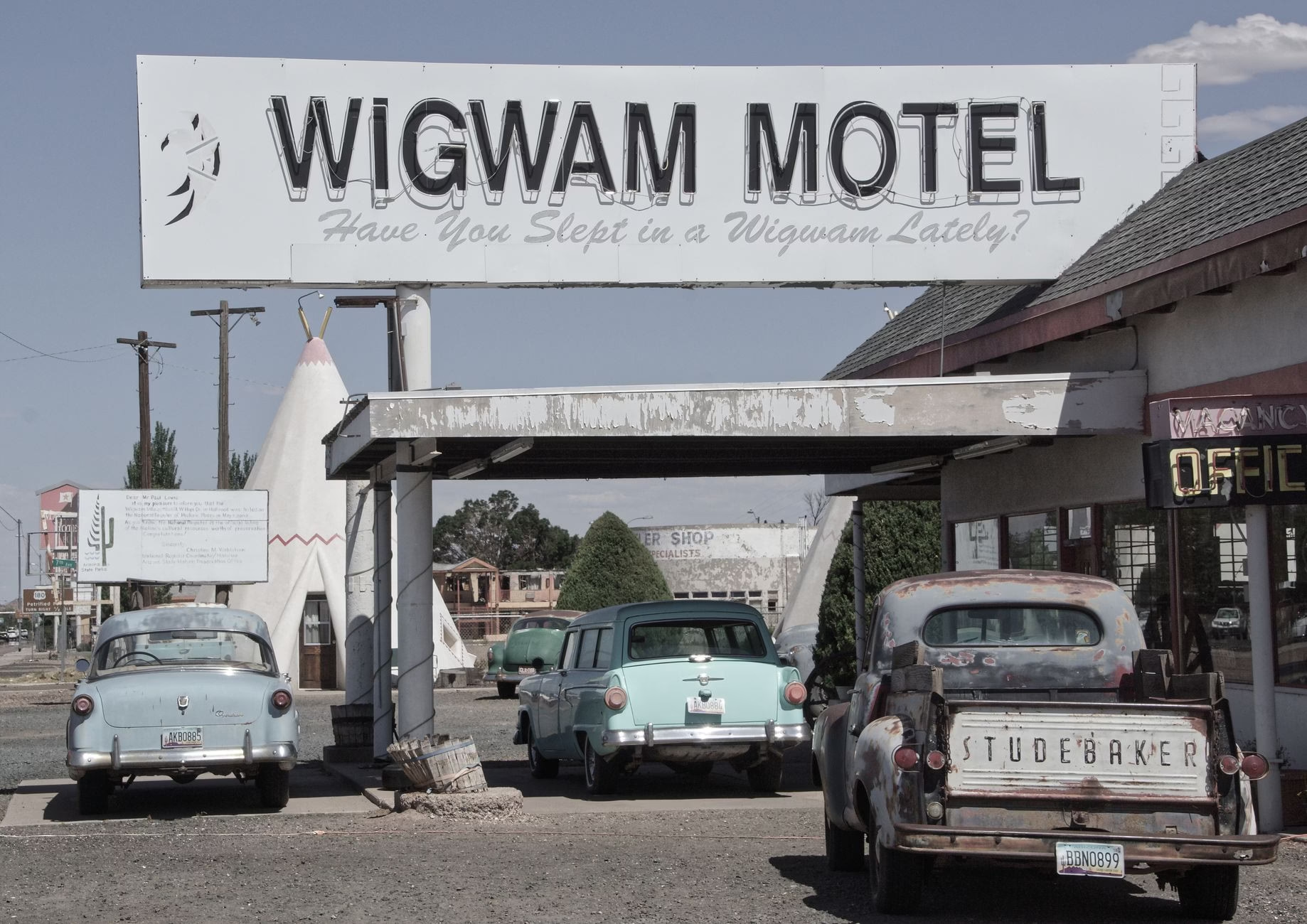
The shifting landscape of American travel left many historic properties along famous highways abandoned or struggling to survive. As modern tourism patterns bypassed older motor lodges, these classic waypoints gradually emptied out and fell into disrepair. Today, communities across the country grapple with a severe lack of residential options, prompting creative solutions from private investors and local leaders alike. In the American Southwest, a particularly innovative approach is taking shape by breathing new life into these dormant hospitality spaces. The Evolution of Historic Motor Lodges Decades ago, the iconic roadside highway served as the main artery for cross-country travelers, supporting a thriving network of independent lodging businesses. Travelers relied on these modest establishments for a night of rest before continuing their journeys. Over time, interstate highways altered travel routes, drawing traffic away from the classic scenic byways and diminishing the customer base for roadside inns. Many owners eventually closed their doors, leaving behind empty parking lots and vacant rooms that symbolized a bygone era of American mobility. Addressing the Residential Crisis Communities nationwide currently face a profound deficit in affordable living spaces. Traditional construction methods often struggle to keep pace with demand due to high material costs, labor shortages, and lengthy zoning approval processes. Real estate developers must look beyond traditional greenfield projects to find scalable answers. Converting existing commercial real estate into residential units offers a streamlined path toward increasing available inventory without starting from scratch. Transforming Commercial Space into Homes A visionary investor in New Mexico recognized the potential hidden within these neglected roadside properties. Rather than letting the vacant structures decay further or demolishing them completely, the development strategy focuses on adaptive reuse. The classic layout of these motor lodges, featuring individual rooms and connected parking areas, lends itself surprisingly well to residential conversion. Interior spaces undergo extensive renovations to install modern kitchens, updated bathrooms, and efficient climate control systems tailored for long-term residents. Community Benefits and Urban Renewal Revitalizing these abandoned properties yields multiple positive outcomes for the surrounding neighborhoods. Blighted structures that once attracted vandalism are replaced by clean, active residential communities. This transformation helps stabilize property values and injects new energy into local commercial districts as new residents patronize nearby businesses. Furthermore, utilizing existing building shells significantly reduces the environmental impact compared to new construction projects, aligning with modern sustainability goals. Looking Ahead at Regional Solutions While converting roadside lodgings cannot single-handedly solve the broader real estate deficit, it demonstrates the power of flexible thinking in community planning. Other regions with similar architectural assets and hospitality downturns are beginning to evaluate comparable adaptive reuse strategies. By reimagining the spaces left behind by past economic shifts, communities can forge a practical path forward, turning historical relics into vital homes for current residents.
New Mexico Motels Along Route 66 Transformed Into Apartments to Ease Housing Shortage

















Leave a Reply