


Strategic Military Movements
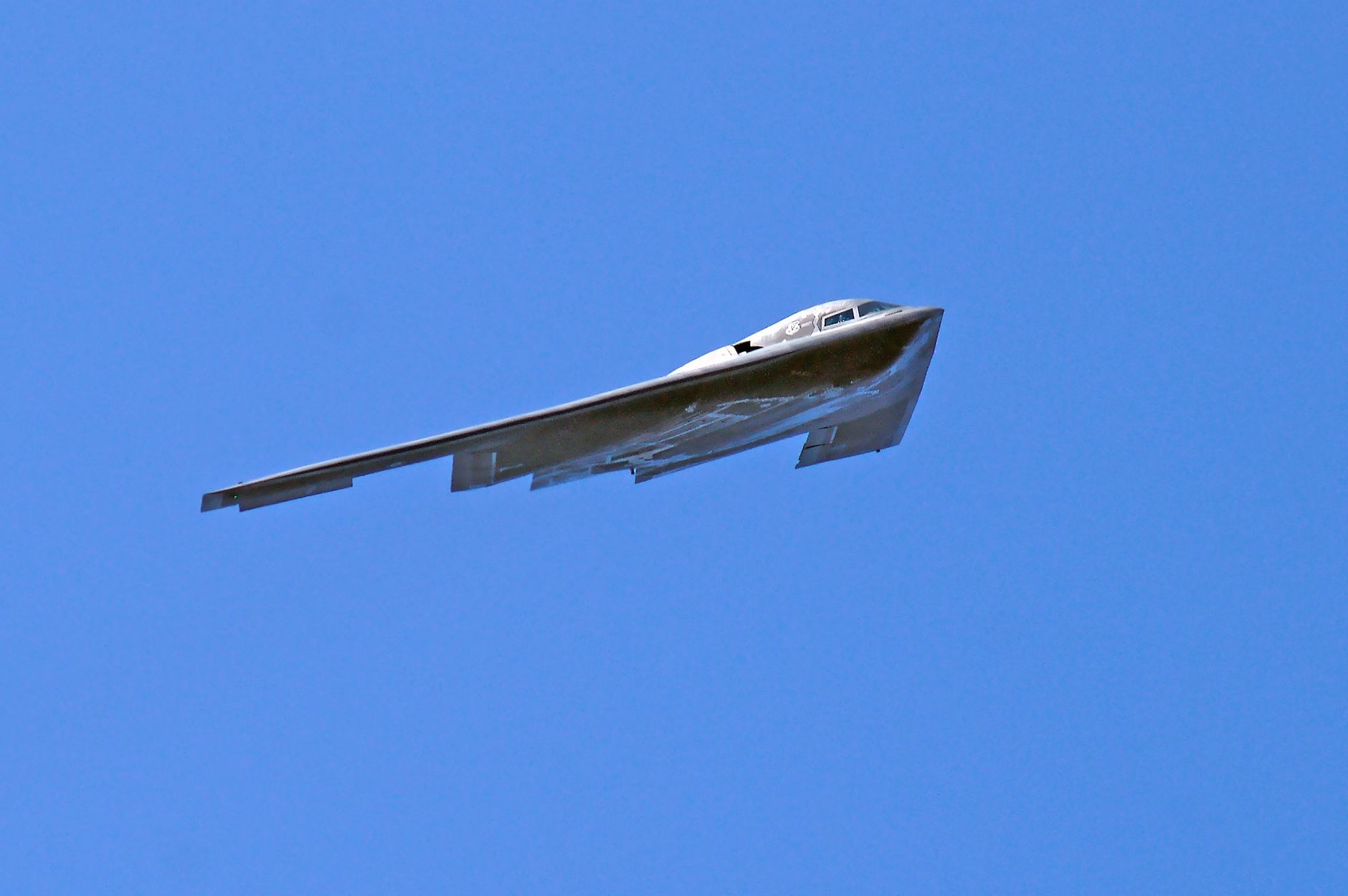
Recent defense developments highlight shifting operational strategies as the United States military repositions high-value assets away from British soil. These adjustments involve heavy long-range bomber aircraft that previously operated out of European air bases to execute targeted missions in the Middle East. Defense officials and leadership confirmed that these heavy aircraft played a direct role in recent military campaigns.
Context of Regional Operations
The relocation of these strategic assets directly connects to active engagements in the Middle East. Specifically, the heavy aircraft were deployed to carry out precise aerial assaults targeting hostile positions within Iran. Such deployments require extensive logistical planning and secure forward operating locations to ensure mission success and the safety of flight crews.
Addressing the Strategic Shift
When questioned about the movement of the long-range fleet, leadership addressed the situation by emphasizing the presence of imminent threats that necessitated the initial deployment and subsequent repositioning. Military strategy often dictates the rapid dispersal of valuable hardware to optimize defense readiness and respond effectively to evolving geopolitical tensions across multiple international theaters.
Implications for International Defense
The ongoing adjustment of strategic bomber wings underscores the fluid nature of modern defense planning. Allies continue to coordinate closely on regional security matters, balancing the need for immediate deterrence with long-term strategic positioning. As operational priorities shift, the United States Air Force maintains its global reach and capability to project power whenever and wherever required to protect national interests.
























Leave a Reply