



Introduction
The leadership in Japan has strongly condemned the tragic killing of a local woman allegedly perpetrated by a United States Marine stationed in Okinawa. This devastating incident has immediately reignited intense public outrage regarding the long-standing military presence of American forces within the region. Local communities have repeatedly expressed deep concerns about safety, legal jurisdiction, and the conduct of foreign service members operating on Japanese soil.
Public Outrage and Official Response
The premier of Japan addressed the media on Monday, characterizing the alleged crime as exceptionally atrocious. The official statement highlighted the profound grief felt by the victim’s family and the broader community. Such incidents consistently strain diplomatic relations and provoke massive public demonstrations demanding stricter accountability and a reduction of foreign military bases in densely populated residential areas.
Historical Tensions in Okinawa
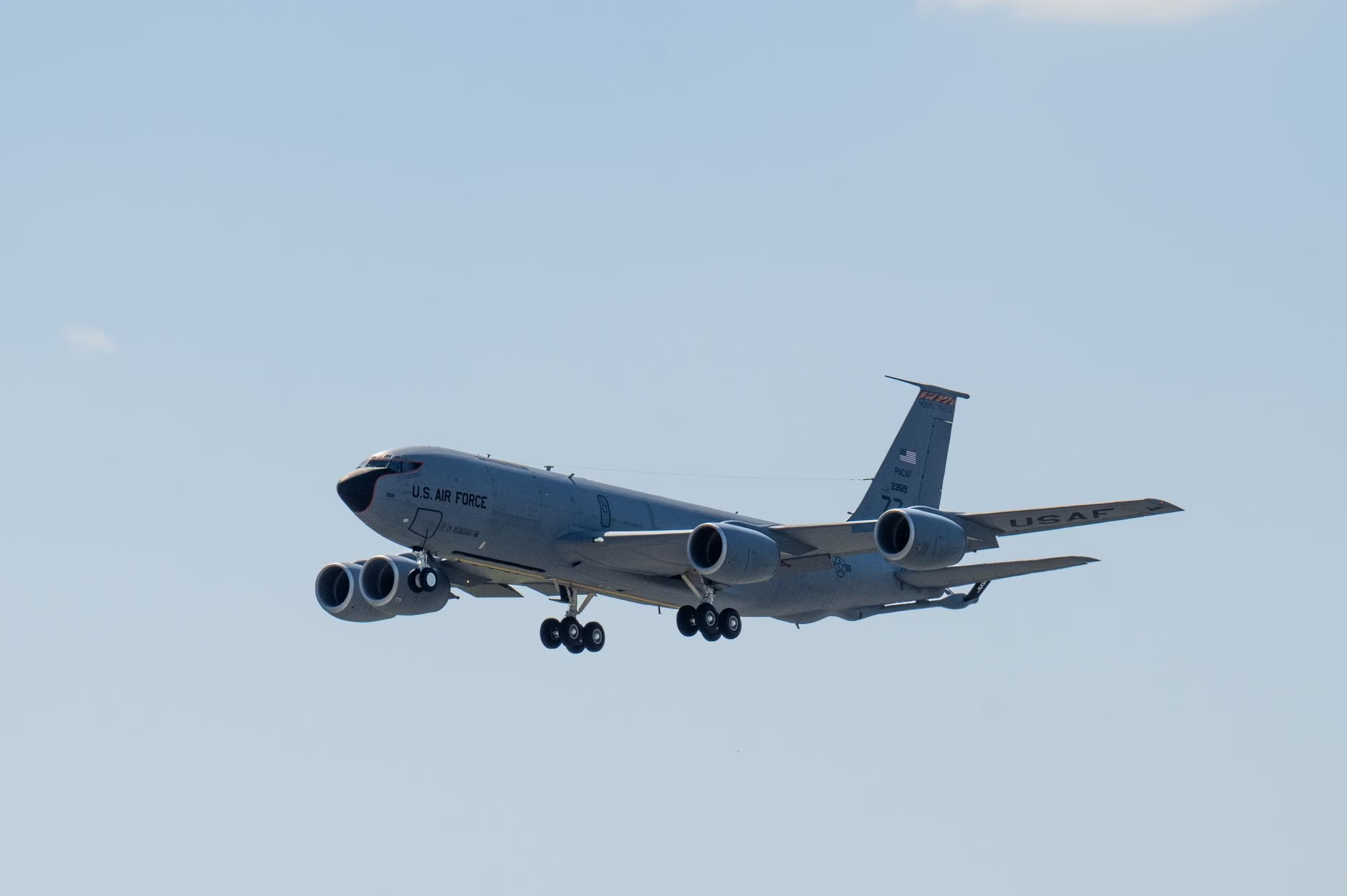
Okinawa has shouldered the heavy burden of hosting the vast majority of American military facilities in Japan for decades. While the alliance remains a cornerstone of regional security and defense strategy, residents frequently voice frustration over noise pollution, environmental accidents, and periodic criminal offenses involving service personnel. Every major offense committed by a foreign soldier revives passionate debates concerning the status of forces agreement and whether current regulations adequately protect local citizens.
Diplomatic Implications and Next Steps
Following the recent accusation, diplomatic channels have been active to address the fallout. Japanese authorities are expected to press for thorough cooperation from American military leadership to ensure a transparent judicial process. Ensuring justice for the victim remains paramount while both nations navigate the complex diplomatic sensitivities surrounding military basing rights in the Indo Pacific region.
Moving Forward
The ongoing outcry underscores an urgent need for enhanced disciplinary measures and cultural training among foreign troops stationed abroad. As investigations continue, public pressure on lawmakers to reevaluate the terms of the security pact will likely intensify, forcing both governments to address deep-seated grievances head-on.



















Leave a Reply