


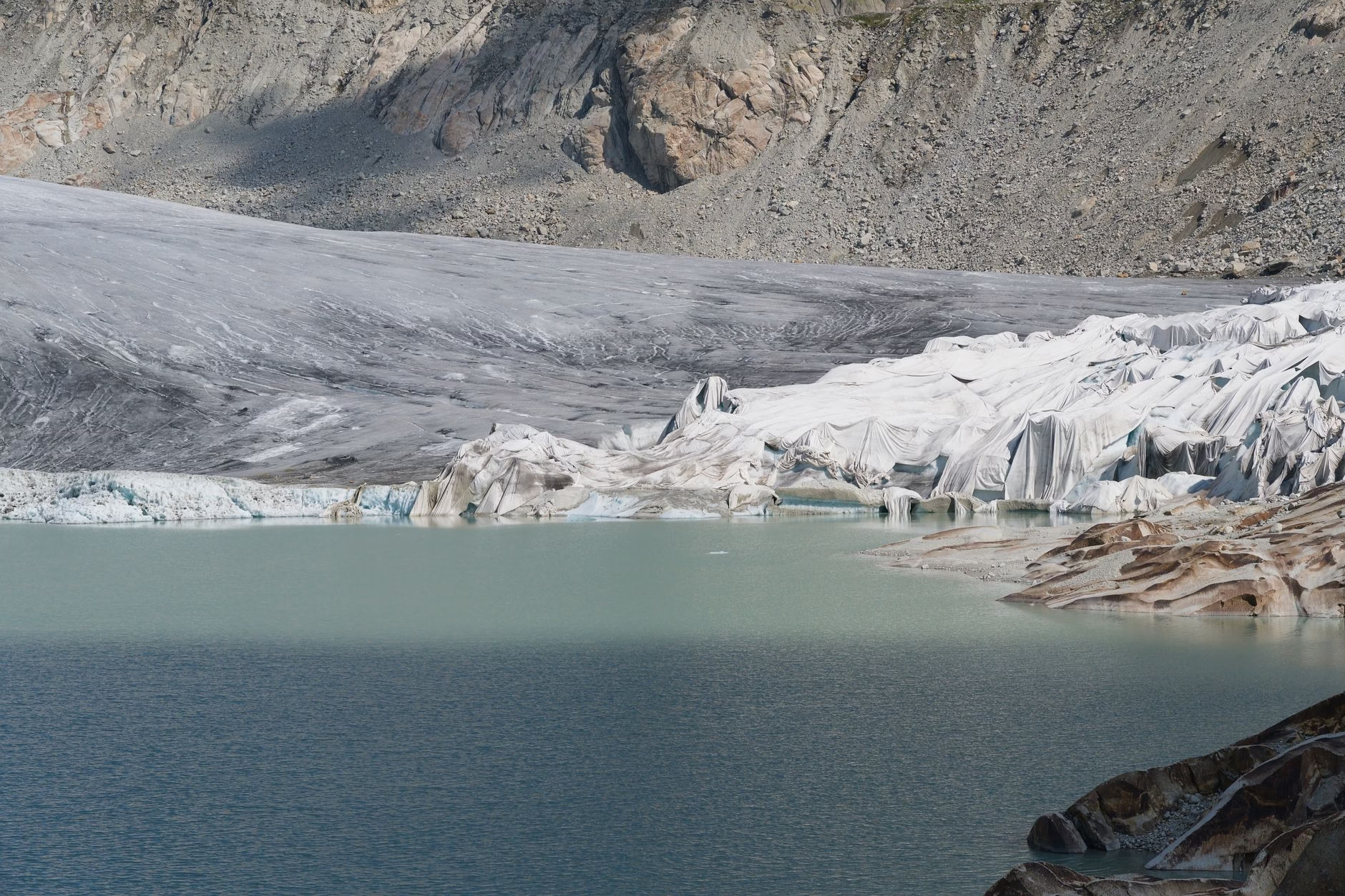
Swiss Glaciers Face Severe Melt
Glaciers across Switzerland have experienced another catastrophic year of melting. Scientific experts report that these massive bodies of ice lost approximately 5.5 percent of their total volume over the course of the year. This dramatic decline marks the second-largest annual ice loss ever recorded in the country, highlighting an accelerating environmental crisis in the Alpine region.
The primary drivers behind this historic shrinkage are severe seasonal heat waves combined with significantly diminished winter snowfall. When winter fails to deliver enough snow to blanket and protect the ice, glaciers remain exposed to the harsh summer sun. Subsequent high temperatures during the summer months quickly strip away whatever protective layers are left, leaving the ancient ice vulnerable to rapid melting.
Understanding Alpine Ice Dynamics
To comprehend the magnitude of this year’s loss, scientists measure the remaining ice mass and compare historical data gathered over decades. The current rate of decline far exceeds historical averages. Glaciologists monitor these changes meticulously, as the ongoing degradation of Alpine ice serves as a sensitive indicator of broader global climate shifts.
The combination of less snowfall and intense summer heat creates an imbalance in the glacier lifecycle. Normally, winter precipitation replenishes the ice lost during the warmer months. However, recent years have disrupted this delicate equilibrium. Warmer winters result in rain instead of snow at high altitudes, and the subsequent summer heat accelerates the melting process.
Broader Environmental Impacts
Environmental consequences resulting from shrinking glaciers extend far beyond the mountain ranges. The rapid disappearance of these massive ice reserves threatens freshwater supplies across Europe. Rivers originating in the Alps rely heavily on glacial meltwater to sustain their flows during dry summer months.
As glaciers continue to retreat, downstream communities and agricultural sectors face potential water shortages. Furthermore, the destabilization of mountain slopes poses immediate hazards to infrastructure and human settlements. Melting permafrost, closely linked to glacier recession, increases the risk of dangerous rockfalls and landslides in the affected regions.
Future Outlook for Alpine Glaciers
Addressing the ongoing degradation of Swiss glaciers remains a complex challenge for researchers and policymakers alike. Without substantial shifts in environmental conditions, projections indicate that the retreat will continue at an alarming pace. The preservation of these natural monuments depends heavily on global efforts to mitigate temperature increases and stabilize regional climate patterns.
Experts emphasize that continuous monitoring is essential for adapting to the changing landscape. As the Alpine environment transforms, local authorities and communities must prepare for the ecological and economic repercussions associated with a future featuring significantly smaller glaciers.



















Leave a Reply