


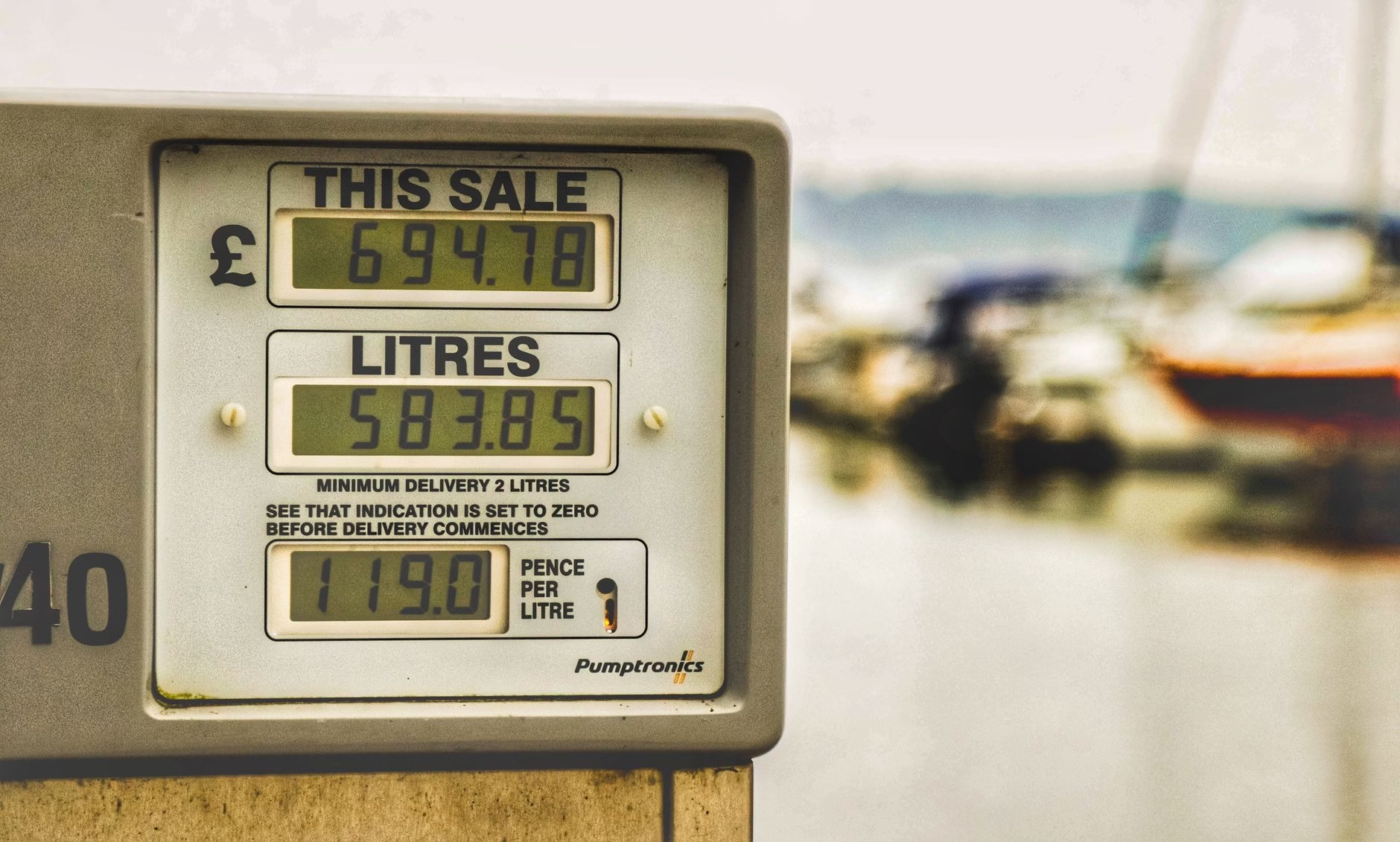
Crude oil markets experienced an upward shift following clear statements from the White House regarding foreign policy and economic restrictions. Market observers closely monitor these geopolitical developments, as energy supplies remain vulnerable to shifts in diplomatic relations and international trade barriers.
Energy Markets Respond to Washington Statements
Global energy benchmarks reacted immediately to the latest diplomatic clarifications. Investors and traders frequently adjust their positions when geopolitical tensions fluctuate in major producing regions. The absence of economic concessions to major exporters often results in tighter supply expectations, which directly influences futures contracts.
The Role of Middle Eastern Diplomacy
At the same time, regional powers are actively working to de-escalate ongoing disputes through diplomatic channels. Leaders from various nations continue to engage in dialogue to prevent further regional instability. These diplomatic missions seek to establish a framework for sustainable negotiations and reduced hostilities.
Implications for Global Energy Supply
Supply chains remain a primary concern for industrial economies and financial institutions alike. Any disruption in critical transit routes or tightening of regulatory measures can alter the flow of petroleum products. Market participants assess these risks continuously to project future valuation trends.
Looking Ahead at Economic and Political Factors
The interaction between foreign policy decisions and commodity markets remains complex. As diplomatic initiatives unfold alongside strict regulatory stances, energy pricing will likely continue to reflect the delicate balance between supply security and international relations.





















Leave a Reply