


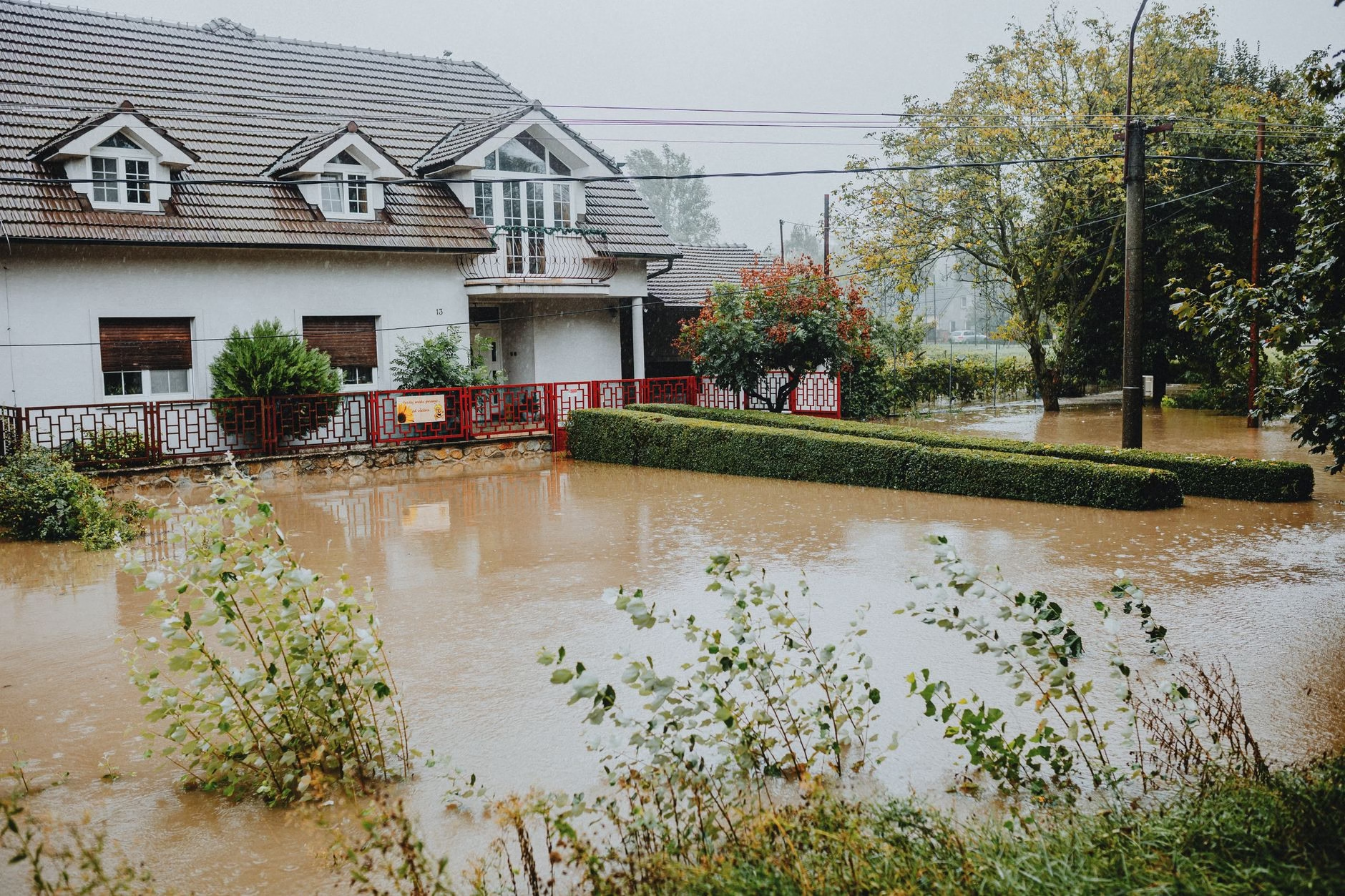
The Rising Threat of Urban and Rural Flooding
Climate change continues to escalate severe weather patterns across the United States. Torrential downpours, severe storms, and rising sea levels threaten communities that previously considered themselves safe from water damage. Despite this growing environmental hazard, a troubling trend has emerged among property owners. Fewer residents are choosing to protect their homes and assets through dedicated flood protection policies, leaving millions financially vulnerable to natural disasters.
The Structural Flaws of Federal Pricing
At the center of this protection gap is the primary government-backed program responsible for underwriting these policies. Designed decades ago to address market failures, the initiative has recently undergone substantial overhauls to better reflect actual risk levels. While updating pricing models aims to create long-term financial stability, the immediate result has been steep and sudden premium hikes for many homeowners. Properties located in high-risk zones now face costs that strain household budgets, rendering essential coverage increasingly unaffordable for working-class families.
The Affordability Crisis and Declining Coverage
When insurance costs spike beyond reason, policyholders are forced to make difficult financial compromises. Many choose to cancel their plans entirely, rolling the dice on whether their neighborhood will escape the next major deluge. This phenomenon creates a dangerous cycle where those who need financial protection the most are priced out of the market. Without a safety net, a single severe storm can wipe out decades of accumulated wealth and force families into prolonged displacement.
Looking Ahead to Sustainable Solutions
Addressing this coverage crisis requires a delicate balance between fiscal responsibility and social protection. Policymakers face mounting pressure to reform pricing structures so that vulnerable populations can afford necessary safeguards. Experts suggest that combining targeted financial assistance with robust community-level mitigation projects may offer a path forward. Until structural changes take effect, millions of properties will remain exposed to the escalating fury of modern weather events without adequate financial defense.





















Leave a Reply