


Understanding the Long Term Health Impacts After Disaster
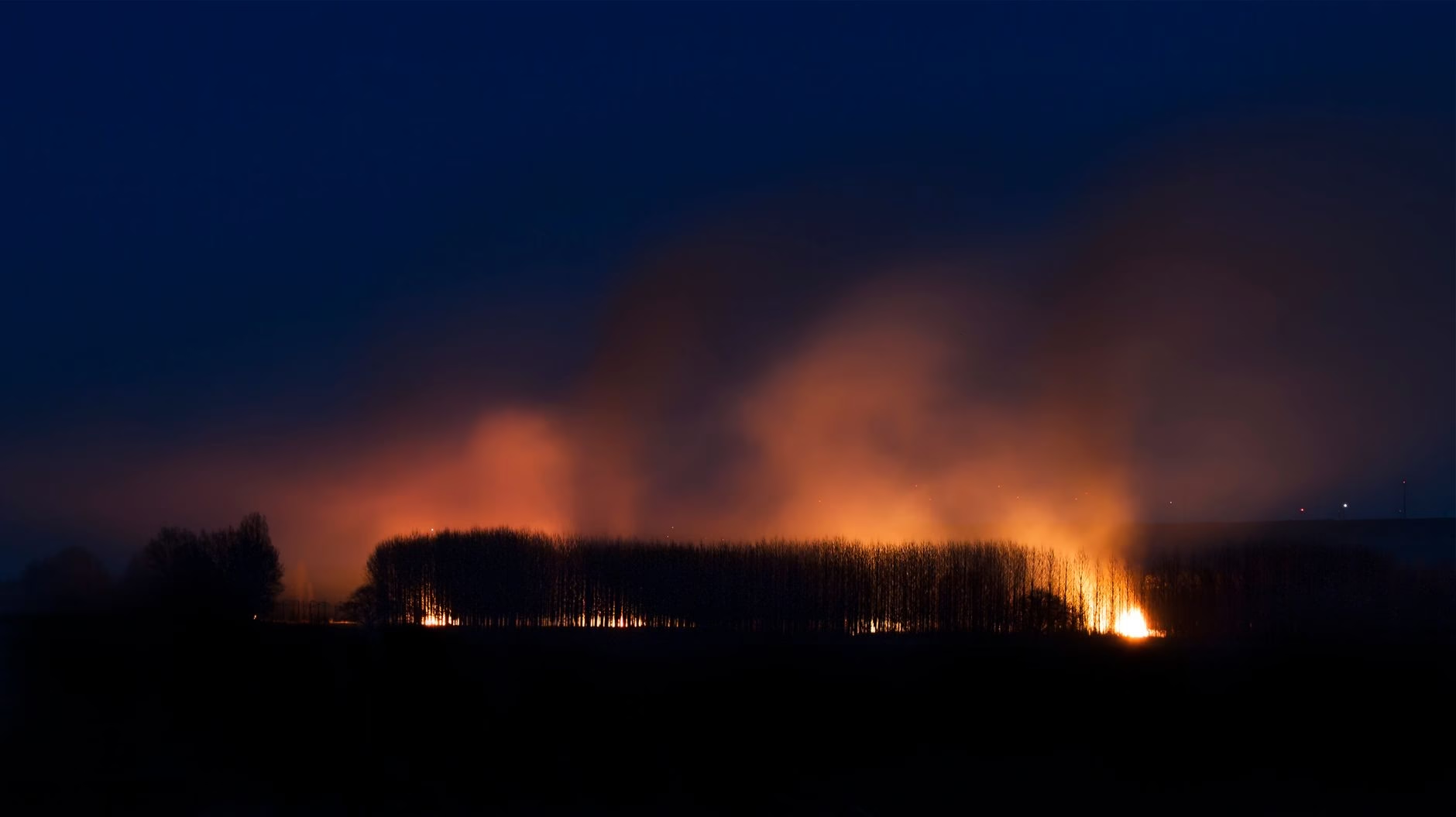
Recent scientific findings reveal critical health concerns for individuals living near the areas affected by the devastating 2023 Maui wildfires. Researchers investigating the aftermath of the disaster have uncovered significant exposure risks linked directly to the environmental aftermath.
The Threat Within Smoke and Ash
When catastrophic wildfires sweep through populated regions, the destruction goes far beyond scorched timber and residential structures. Modern buildings contain a wide variety of synthetic materials, electronics, and household goods. When these items burn, they release complex mixtures of toxic dust, ash, and smoke into the atmosphere.
In the wake of the Maui disaster, scientific teams began examining the biological impact of these hazardous plumes on local populations. The focus centered heavily on how residual ash and airborne particulate matter might enter the human body and persist over time.
Elevated Metal Concentrations Discovered
Analysis of biological samples taken from residents living close to the burn zones showed concerning results. Researchers identified elevated concentrations of specific metal mixtures within these individuals. These elements were directly traced back to the toxic debris left behind by the intense fires.
As residents engaged in cleanup efforts or simply breathed the surrounding air during and after the catastrophe, these microscopic substances entered their respiratory systems. The presence of these heavy metals indicates that environmental remediation must account for long-term exposure risks.
Direct Connection to Respiratory Decline
The most alarming aspect of the recent research is the direct correlation established between the detected metal mixtures and compromised respiratory function. Clinical evaluations of affected residents demonstrated measurable impacts on overall lung health.
Inhaling fine ash laden with heavy metals can cause persistent inflammation and cellular damage within the lungs. Over time, this damage manifests as reduced pulmonary capacity and other chronic respiratory issues for individuals exposed to the disaster fallout.
Implications for Future Disaster Response
These findings highlight the urgent need for comprehensive health monitoring in communities recovering from major wildfire events. Traditional emergency response often focuses solely on immediate physical safety and structural stabilization.
However, public health experts emphasize that long-term environmental monitoring and medical tracking are equally vital. Protecting vulnerable populations requires a deeper understanding of how toxic post-disaster residues interact with the human body long after the flames have been extinguished.






















Leave a Reply