


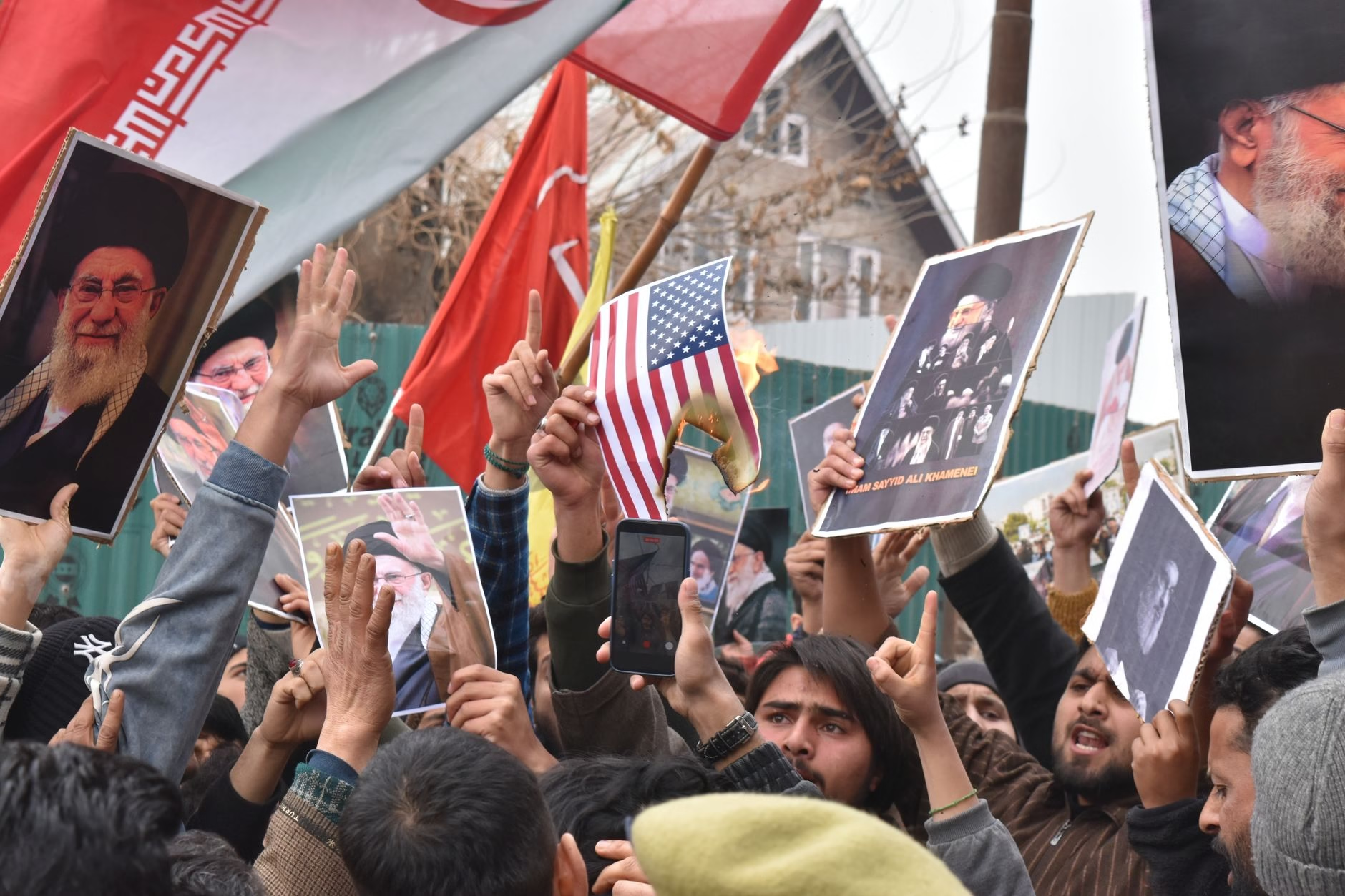
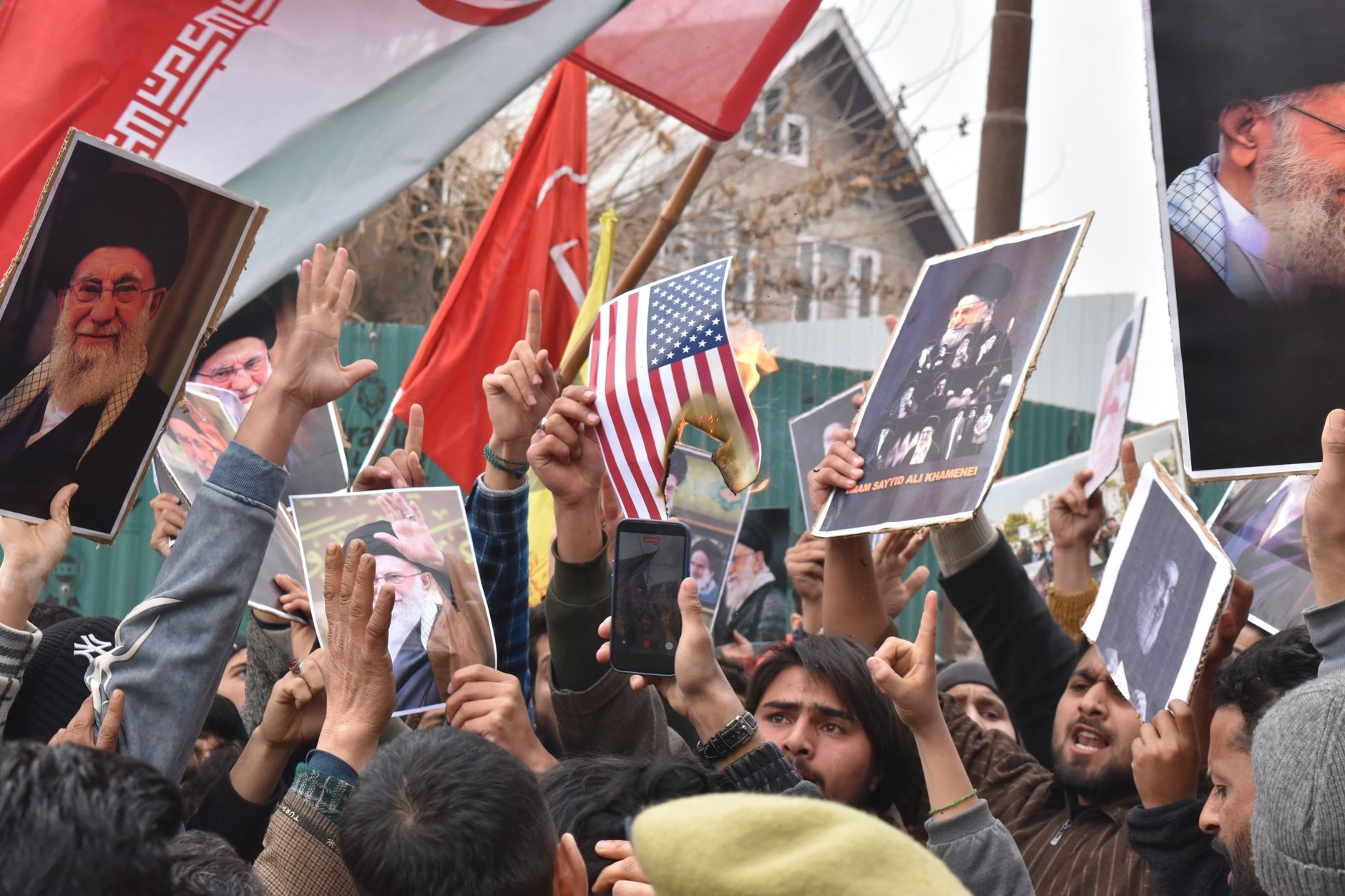
The geopolitical standoff between the United States and Iran has officially reached the seven-month mark, prompting renewed speculation regarding the potential for renewed diplomatic engagement. International observers are closely monitoring developments as political leaders in Washington and Tehran signal conflicting intentions about how to resolve the protracted crisis.
Background Of The Current Standoff
The ongoing tensions escalated rapidly earlier this year, drawing global concern over regional stability, international shipping lanes, and energy markets. Both nations have maintained deeply entrenched positions, with neither side showing an immediate willingness to compromise on core demands.
Despite the lack of preliminary concessions, recent statements from top leadership suggest that communication channels might eventually reopen. The international community continues to urge restraint, emphasizing the severe economic and humanitarian consequences of prolonged hostility.
Prospects For Diplomatic Engagement
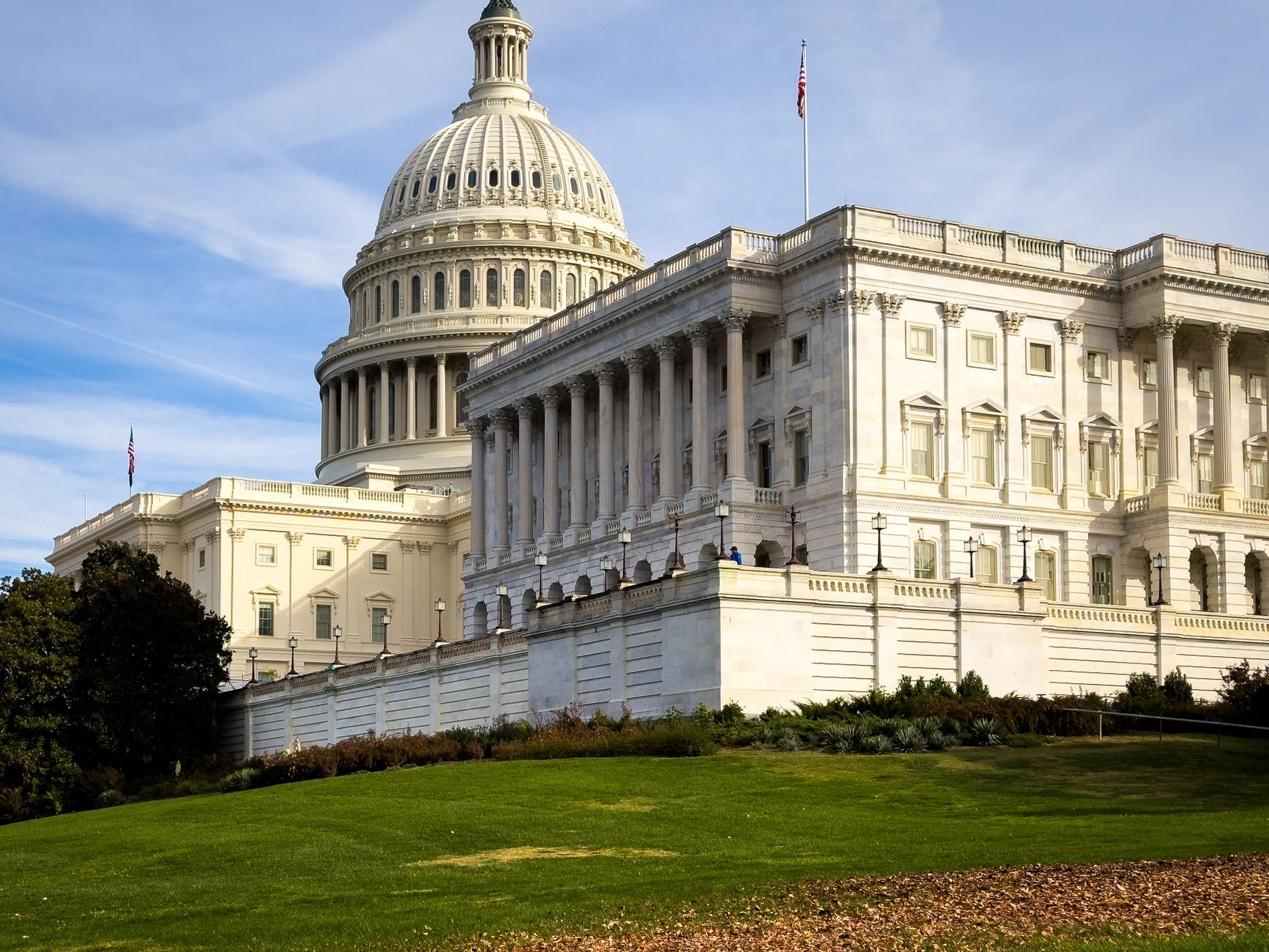
Recent reports indicate that administrative officials in Washington anticipate negotiations could resume in the near future. However, analysts point out that resuming talks does not guarantee a breakthrough, given the vast ideological and strategic gaps separating the two governments.
Tehran has consistently maintained that any future dialogue must be preceded by a significant shift in foreign policy and the lifting of economic sanctions. Conversely, Washington continues to demand strict compliance with international security protocols and a cessation of regional proxy activities.
Impact On Global Markets And Regional Security
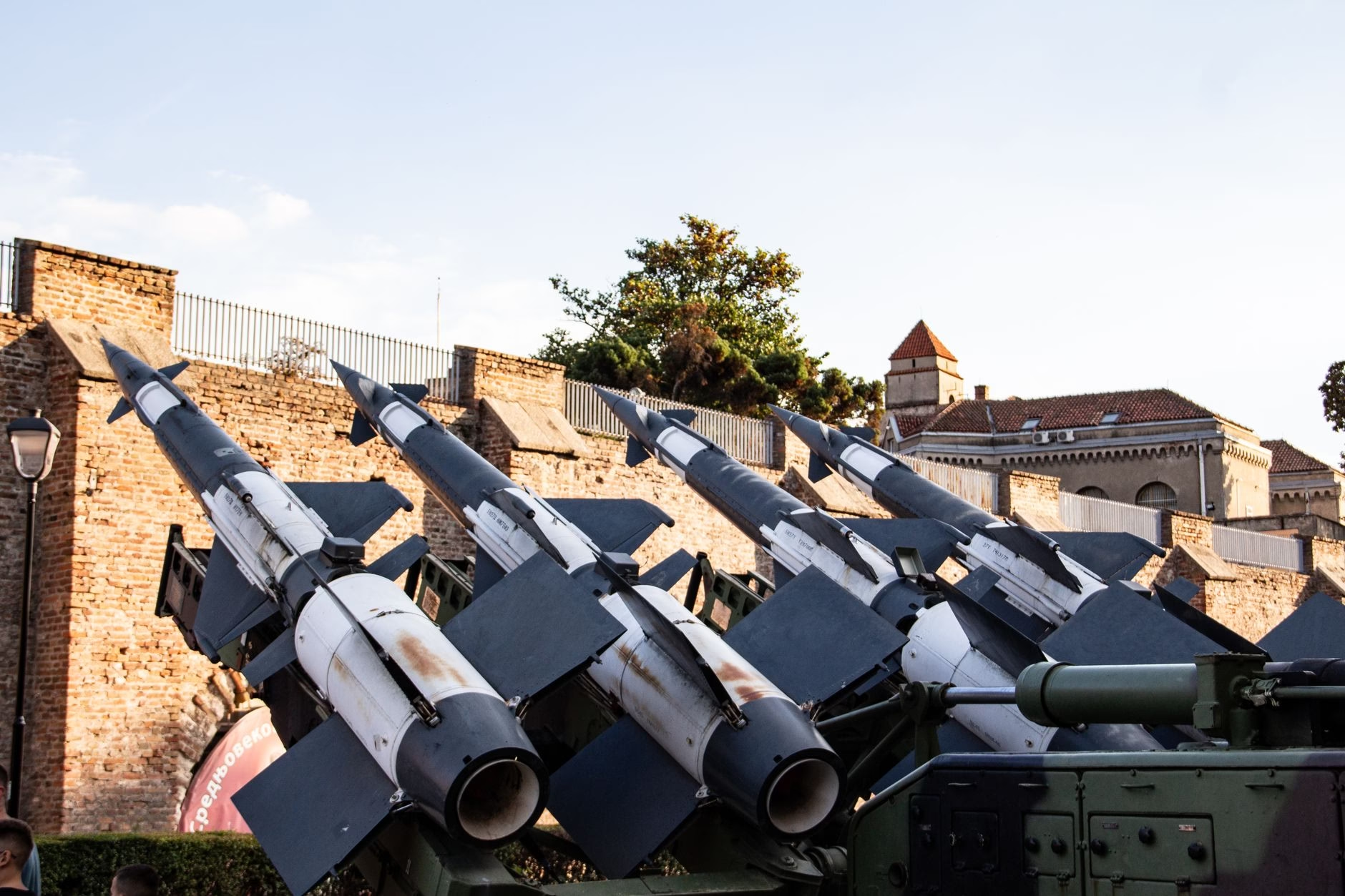
The prolonged conflict has exerted substantial pressure on global supply chains, particularly concerning maritime transit through critical waterways. Energy prices have experienced heightened volatility as markets react to daily developments on the ground.
Regional actors have also expressed anxiety regarding the spillover effects of sustained hostilities. Diplomatic missions across the Middle East remain on high alert, working tirelessly to prevent further escalation that could engulf neighboring states.
The Road Ahead
As the crisis enters its eighth month, the fundamental question facing international policymakers is whether diplomatic frameworks can override military imperatives. While both sides acknowledge the unsustainable nature of perpetual conflict, finding a mutually acceptable compromise remains a formidable challenge.
Observers agree that the coming weeks will be critical in determining whether the two nations can pivot from confrontation to negotiation, or if the region must brace for an extended period of heightened instability.


















Leave a Reply