


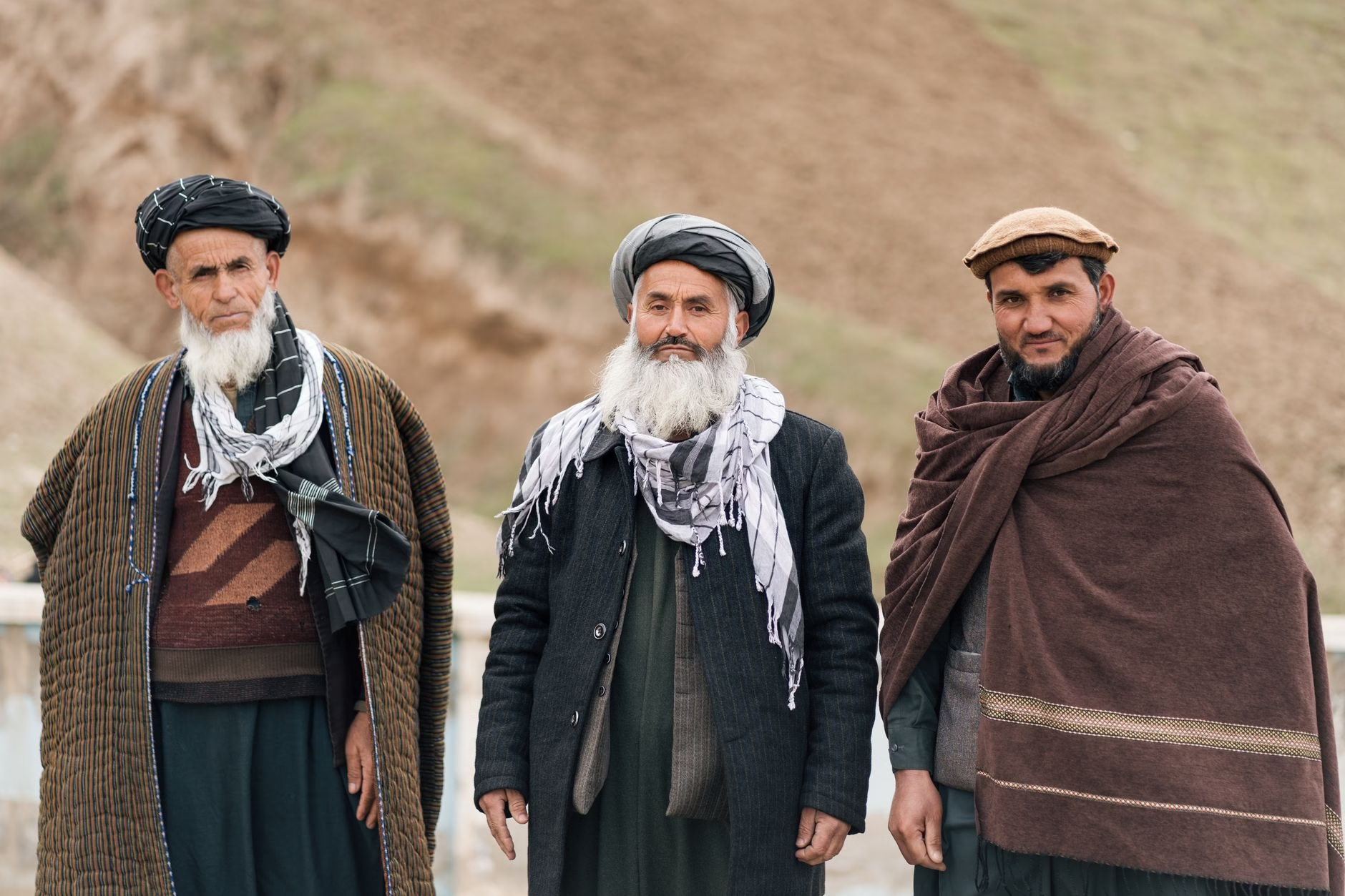
Introduction to a Historic Incursion
More than two decades ago, a Soviet-era helicopter navigated the treacherous mountain ranges of Afghanistan, carrying the initial group of intelligence operatives deployed by the United States following the September 11 attacks. This daring nighttime crossing marked the literal beginning of military actions that would evolve into the longest armed conflict in American history.
Setting the Stage for Deployment
The catastrophic events of September 11 fundamentally shifted national security priorities. Within days, intelligence leadership formulated a plan to insert specialized operatives behind enemy lines to establish contact with local anti-Taliban factions, gather vital tactical intelligence, and prepare the operational theater for subsequent conventional military forces.
The Journey Aboard the Aircraft
Choosing a Soviet-designed helicopter was a deliberate tactical decision designed to blend into regional aviation patterns and avoid early detection by hostile forces. The aircraft carried a tight-knit team of seasoned specialists equipped for high-stakes reconnaissance in hostile territory.
Navigating the Mountain Terrain
Flying through the jagged peaks of the Hindu Kush at night presented severe navigational hazards. The crew relied on skilled piloting and specialized equipment to maintain altitude, avoid radar detection, and successfully land the team at a designated drop zone.
Establishing Local Partnerships
Upon arrival, the primary objective was building trust with local warlords and leaders of the Northern Alliance. These indigenous groups possessed critical intimate knowledge of the terrain and were already engaged in ongoing armed resistance against the ruling regime.
Gathering Crucial Intelligence
With secure communication channels established, the operatives began transmitting vital details regarding hostile troop movements, supply lines, and command structures back to headquarters. This information proved invaluable for shaping the overarching military strategy.
Laying the Groundwork for Conflict
The successful infiltration by these intelligence officers transformed the strategic landscape. By establishing a physical footprint on the ground, they paved the way for broader coalition operations and the eventual fall of the regime.
Reflecting on the Legacy
Looking back at this pivotal deployment offers a clear perspective on the evolution of modern intelligence operations. The risks taken by those early operatives forever changed the trajectory of international security and modern warfare.




















Leave a Reply