


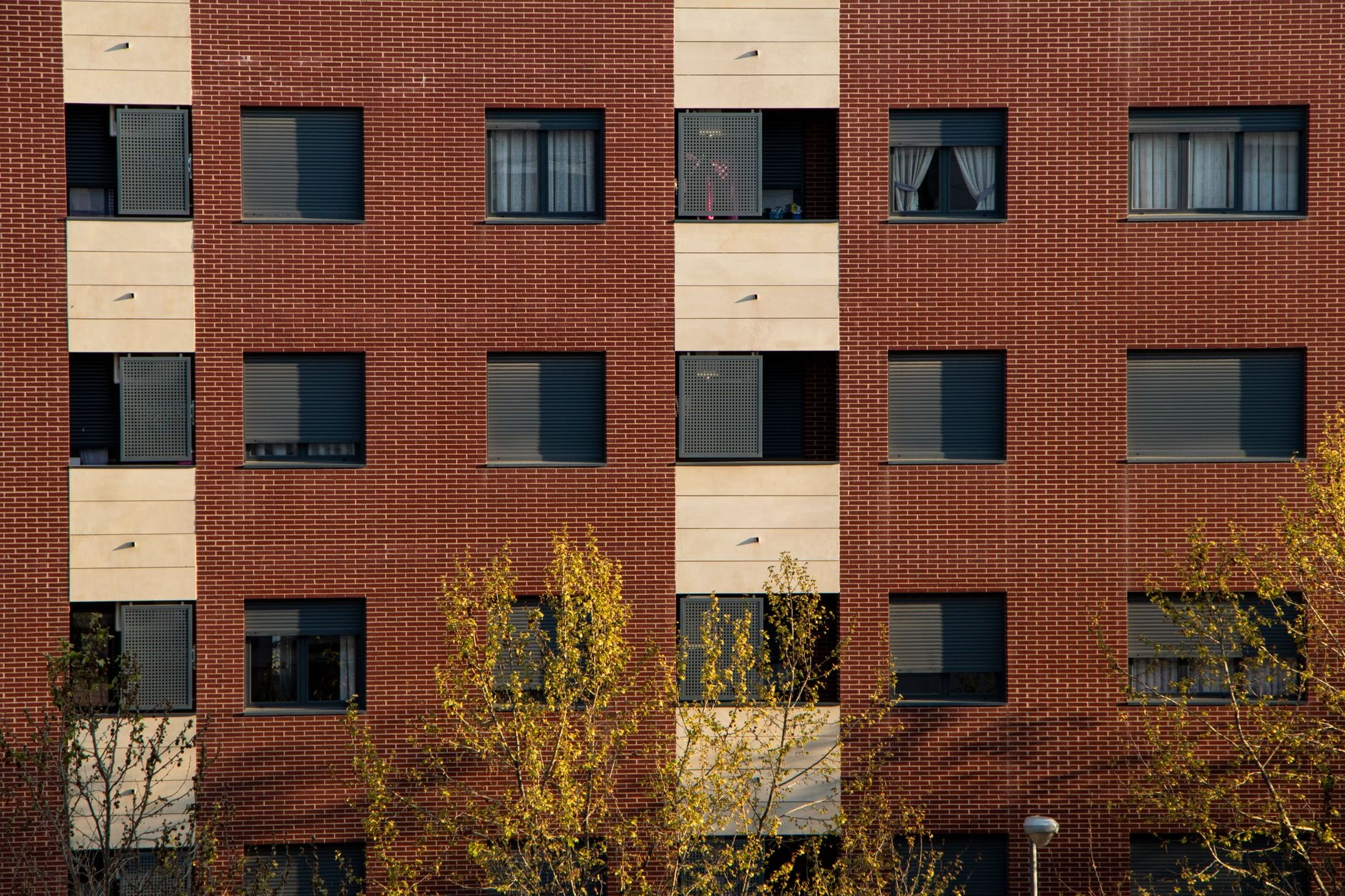
The recent removal of an elderly resident from her long-term residence in the Spanish capital has once again thrust the national affordability emergency into the global spotlight. Law enforcement officers carried out the court-ordered removal of the 87-year-old woman, who had lived in the same apartment for over seventy years. The incident occurred amidst heavy resistance and widespread public outcry, as large crowds gathered outside the building in an attempt to halt the proceedings. Despite strong public opposition and vocal criticism from government officials regarding the execution of the mandate, authorities proceeded with the removal, leaving the octogenarian without her lifelong home.
Background of the Housing Emergency
This high-profile case serves as a stark illustration of the deep-seated affordability challenges currently plaguing urban centers across the nation. For decades, rental regulations and urban housing dynamics have shifted, creating an environment where long-term occupants face increasing vulnerability against rising costs and shifting property ownership. Many elderly citizens who secured rental agreements decades ago find themselves unprotected as modern market forces collide with traditional tenancy rights. Observers and housing advocates point to this event as a symptom of a broader systemic failure to protect vulnerable demographics from displacement.
Public Outcry and Government Response
The physical removal of the long-term occupant galvanized hundreds of demonstrators who assembled in the streets to voice their frustration. Placards and chants filled the neighborhood as citizens expressed solidarity with the displaced woman, demanding stronger legal safeguards for residential tenants. Political figures also weighed in on the controversy, with members of the administration publicly condemning the execution of the mandate. However, despite the political rhetoric and the visible public backlash, existing legal frameworks ultimately permitted the enforcement of the ruling, exposing the limitations of current legislative protections.
Implications for Urban Tenancy
Legal experts and social organizations emphasize that incidents of this nature damage public trust in the stability of residential leasing agreements. As rental costs continue to surge in major metropolitan areas, the precarious status of aging populations remains a pressing concern for policymakers. Advocates maintain that without urgent legislative reforms, more long-term residents could face similar fates, deepening the social divide and intensifying urban tension. The situation in the capital has thus become a pivotal reference point in the ongoing debate over how to balance property rights with social welfare and housing security.





















Leave a Reply