


Background Context and Strategic Framing
International addresses delivered by heads of state often serve dual purposes on the global stage. While formally directed at international governing bodies and foreign leaders, these speeches frequently carry heavy domestic political implications. When a prominent leader takes the podium at the United Nations, every word is carefully calibrated to resonate with audiences back home as much as with diplomats in the room.
Analyzing the New York Address
During a notably intense address in New York City, Israel’s prime minister directed sharp criticism toward local municipal leadership while outlining his administration’s security positions. The speech featured confrontational rhetoric and strong defenses of national sovereignty. Observers immediately dissected the delivery, focusing heavily on the immediate international reactions and diplomatic fallout resulting from the fiery remarks.
Domestic Political Survival
Seasoned political analysts suggest that the primary audience for the United Nations appearance was not foreign diplomats or international organizations. Instead, veteran observers argue that the speech was meticulously designed to appeal directly to domestic voters within Israel. Facing significant political headwinds and a precarious coalition environment, leaders often utilize high-profile international platforms to project strength, rally their core base, and consolidate political support during turbulent times.
Relations with Washington and President Trump
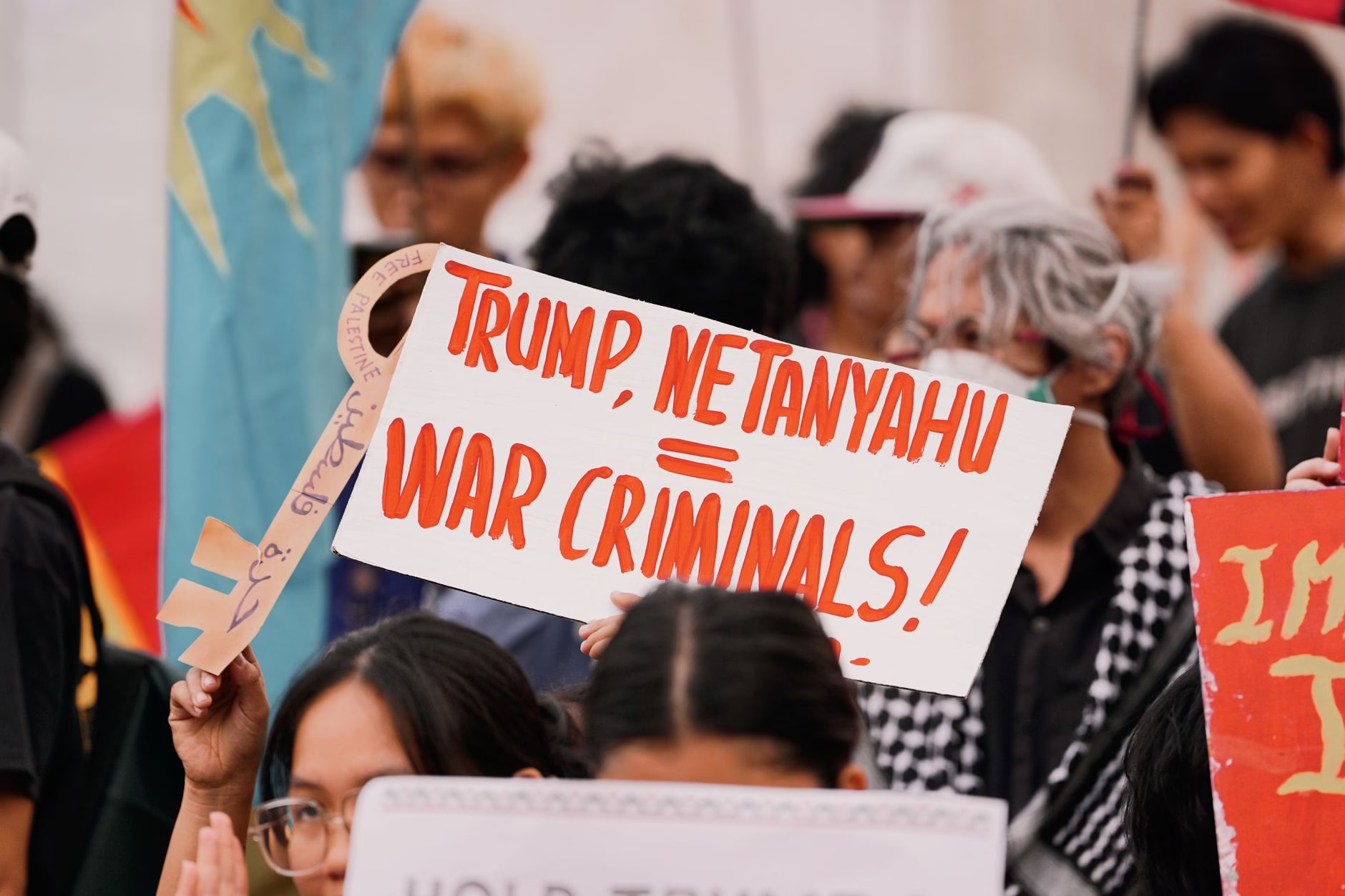
Beyond domestic political calculations, the address also appeared aimed at influencing key international allies, specifically the administration of President Donald Trump. Navigating the complexities of United States foreign policy requires careful messaging. By taking a hardline stance on global platforms, the Israeli leader sought to reinforce strategic alignments and secure continued diplomatic backing from Washington leadership, which remains vital for domestic political stability.
Implications for Regional Dynamics
The consequences of such high-stakes rhetoric extend far beyond immediate electoral calculus. When domestic survival becomes intertwined with international posturing, diplomatic negotiations can become increasingly complex. Regional stability often hangs in the balance as leaders balance their domestic political imperatives against broader geopolitical realities and international expectations.
Conclusion
Ultimately, the United Nations address highlighted the intricate relationship between domestic political necessity and international diplomacy. While outwardly framed as a defense of national interests against global critics, the underlying strategy reflected the timeless reality of political survival, where leaders utilize the world stage to secure their future at home.



















Leave a Reply