


Background of the Transfer
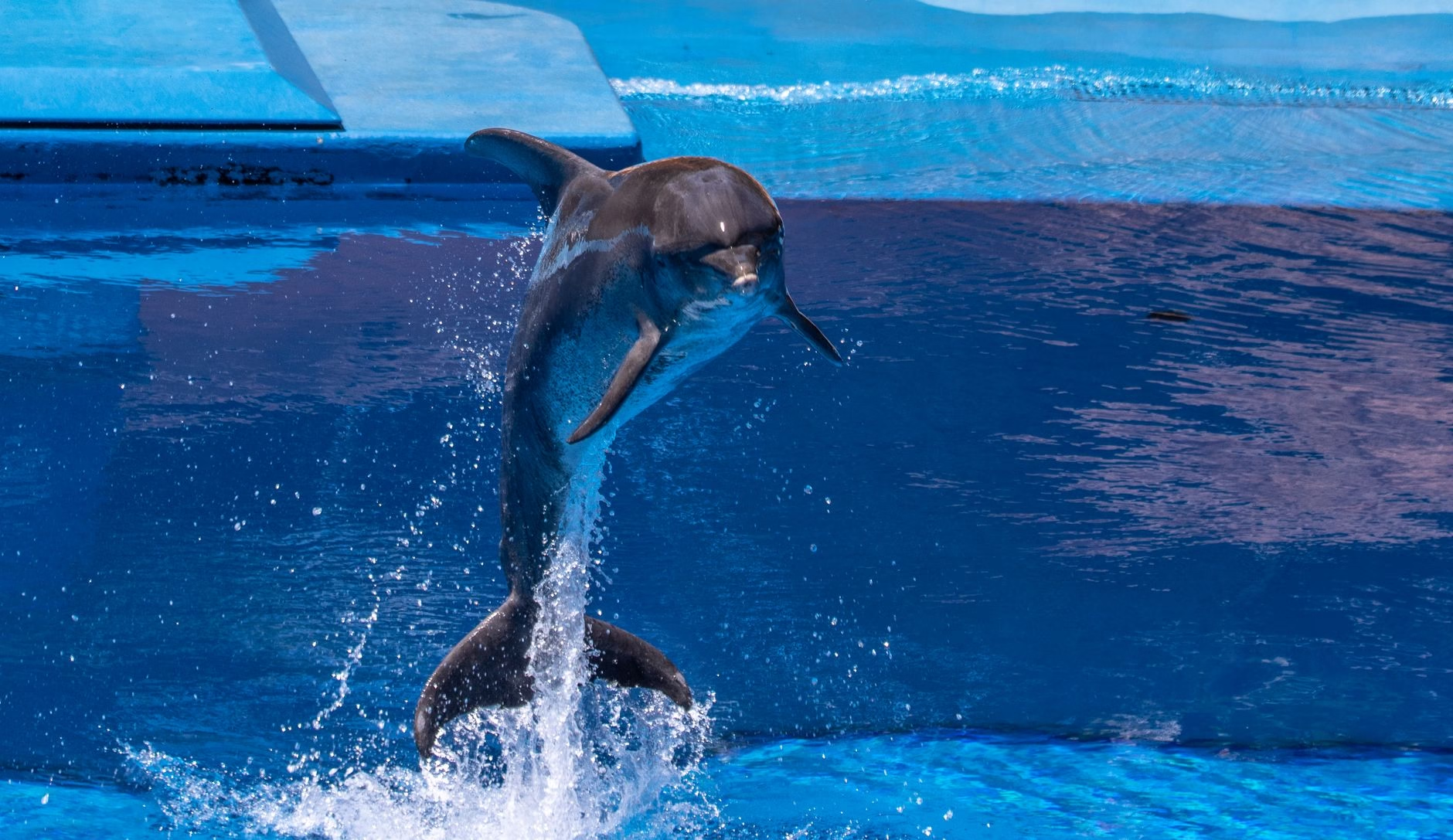
Marine conservation and animal welfare communities are mourning the loss of a marine mammal following a major international relocation. Echo, a bottlenose dolphin who was among a group of four animals moved from a Canadian facility to a European marine park, has passed away. The animal was part of a high-profile transfer from Marineland Canada to the well-known Oceanografic Valencia located in Spain.
The relocation initiative was designed to place the animals in a specialized Mediterranean environment. However, the sudden loss of Echo has brought renewed scrutiny to the complex logistics and inherent health risks associated with moving cetaceans across vast geographic distances. Animal welfare advocates frequently warn about the severe physiological and psychological stress that long-distance transport imposes on marine mammals.
Details of the Incident
The Spanish facility announced the heartbreaking news regarding Echo on a Wednesday. According to the statements released by the aquarium management, the dolphin succumbed to health complications despite the veterinary care provided by the facility staff. The exact medical cause of death has yet to be fully detailed in public reports, but the timing has raised immediate questions among observers and animal protection organizations worldwide.
Oceanografic Valencia had previously welcomed the group of four dolphins with the intention of integrating them into their existing habitats and research programs. The loss of Echo represents a significant setback for the facility, which had positioned the arrival of the animals as a positive step for their long-term care and rehabilitation.
Broader Implications for Marine Parks
The passing of Echo highlights ongoing concerns regarding the management and welfare of marine life in captivity. Facilities that house cetaceans face mounting pressure from the public and regulatory bodies to ensure the highest standards of animal husbandry and health monitoring, particularly when undertaking stressful international relocations.
As investigations and internal reviews continue at the Spanish aquarium, the incident is expected to fuel global discussions about the future of captive marine mammals. Critics of marine parks point to such events as evidence that cetaceans should not be kept in captivity or subjected to the risks of international transport. Meanwhile, facility operators maintain that their primary focus remains the health and rehabilitation of the animals under their care.





















Leave a Reply