


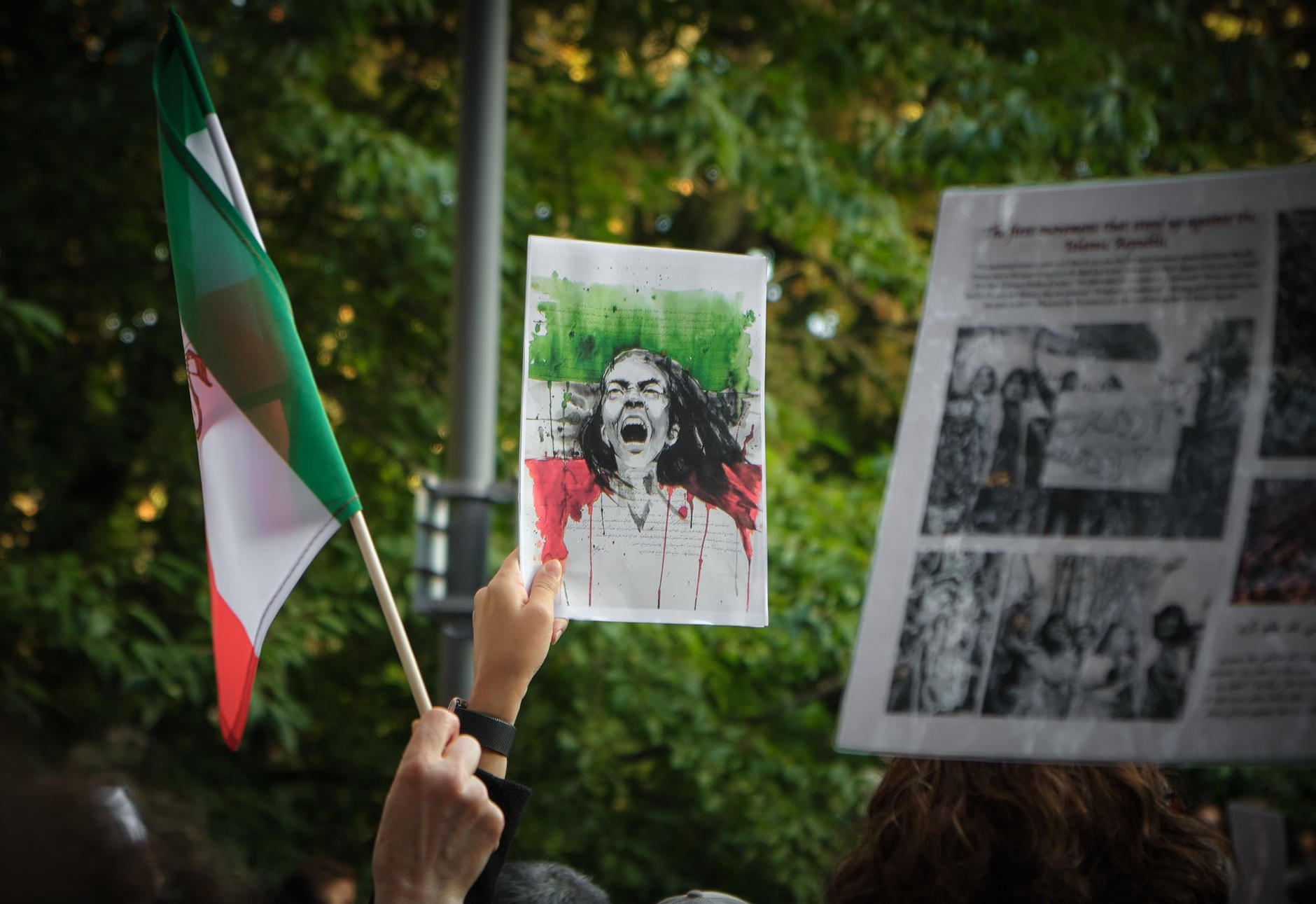
Background and Context at the United Nations
The annual gathering of global leaders at the United Nations provides a prominent stage for nations to air grievances, outline foreign policy positions, and address pressing international conflicts. During a recent address to the international body, the leader of the Islamic Republic of Iran took the opportunity to present his government as a primary target of hostile acts rather than an aggressor.
International relations experts frequently monitor these high-level addresses for shifts in rhetoric or policy stances that might signal future diplomatic developments. The speech delivered by the Iranian head of state drew immediate global attention due to its direct and confrontational language regarding foreign superpowers and ongoing geopolitical tensions.
Allegations of Terrorism Against Global Powers
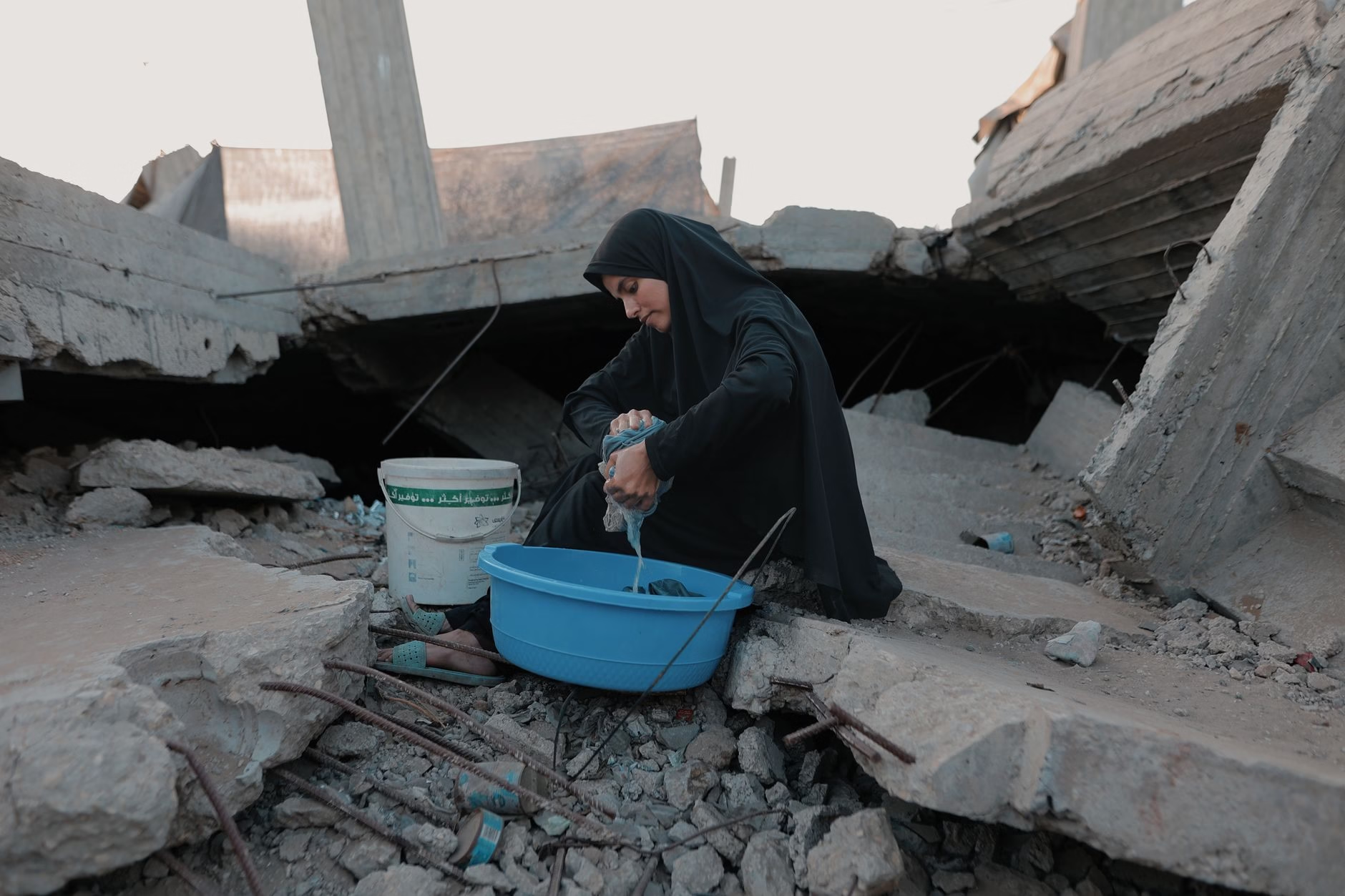
During his formal presentation, President Masoud Pezeshkian focused heavily on what he described as targeted violence directed against his country. He brought attention to the assassinations and deaths of key figures, including prominent scientists, government leaders, and innocent civilians, framing these losses as part of a broader campaign.
In a sharp rebuke of Western foreign policy, the Iranian president specifically accused the United States of engaging in acts of terror. This rhetorical strategy aims to invert traditional narratives promoted by Western governments, which often accuse Tehran of supporting regional proxy groups and destabilizing the Middle East.
Highlighting Casualties and Regional Conflict
The remarks came against the backdrop of escalating hostilities and a fragile security landscape across the Middle East. By emphasizing the human cost borne by his nation, the president sought to rally international sympathy and challenge the legitimacy of economic and diplomatic sanctions imposed by Western nations.
Analysts note that such speeches are often crafted with dual audiences in mind. Domestically, projecting strength and defiance helps consolidate political support among the populace. Internationally, the messaging attempts to influence non-aligned nations and multilateral organizations by questioning the moral authority of Western actors involved in regional conflicts.
Broader Diplomatic Implications
The address underscores the deep chasm that continues to separate Tehran from Washington and its allies. Diplomatic channels remain severely constrained, and mutual distrust hampers efforts to revive nuclear agreements or negotiate lasting peace in war-torn areas of the region.
As foreign policy observers continue to analyze the fallout from the United Nations General Assembly meetings, the rhetoric serves as a reminder of the volatile state of global diplomacy. The ongoing war of words highlights the challenges facing international peacemakers who strive to bridge the gap between deeply entrenched adversaries.
















Leave a Reply