


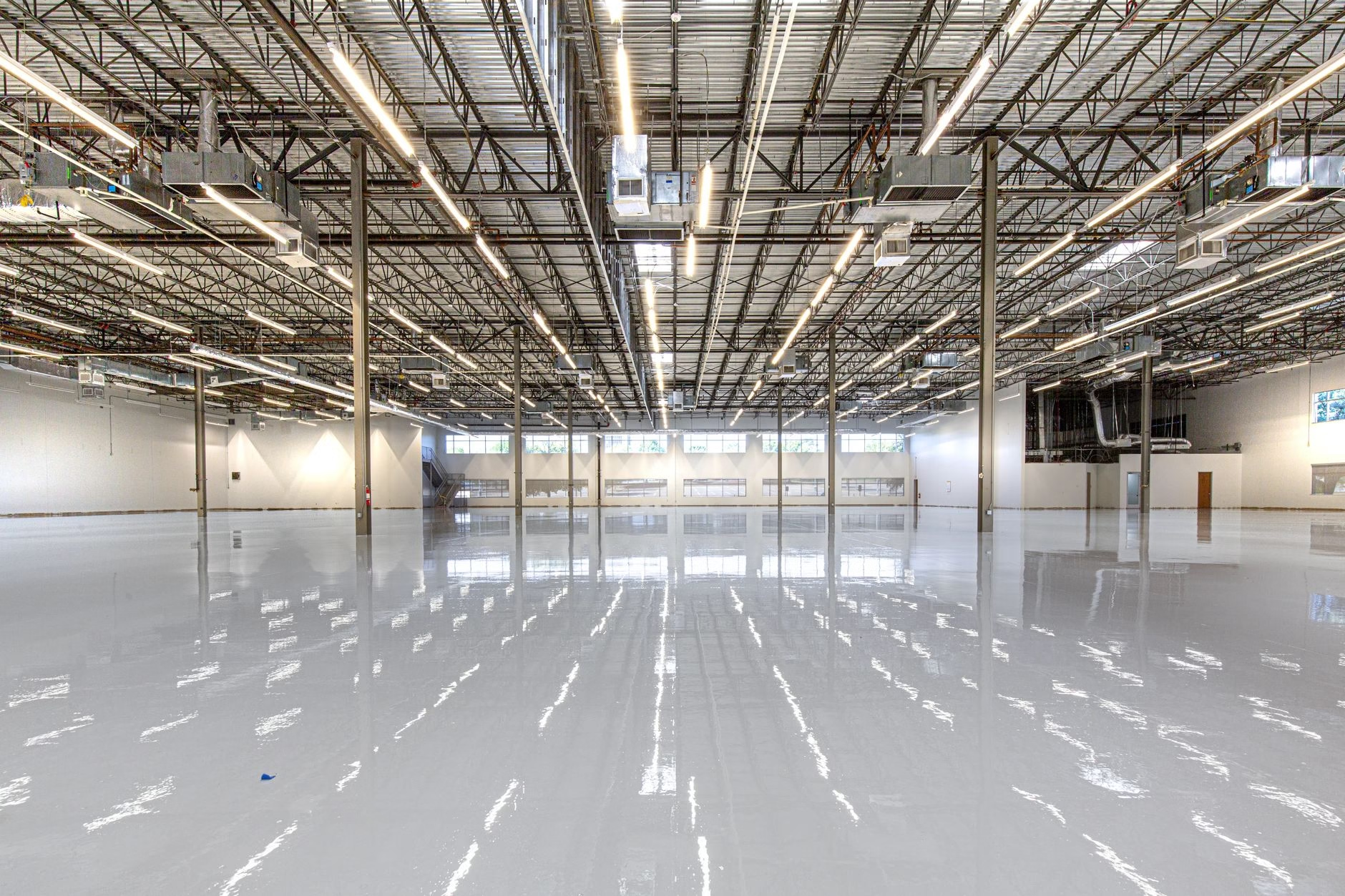
The political landscape in Texas is undergoing a significant transformation as local communities push back against the rapid expansion of digital infrastructure. Specifically, widespread resistance to new technology facilities is emerging as a defining issue in the upcoming 2026 gubernatorial and Senate races. Voters across the state are increasingly voicing anxieties regarding how these large-scale operations impact vital local resources, particularly the electrical grid and municipal water supplies. As political campaigns begin to take shape, candidates find themselves forced to address these pressing infrastructure worries.
Rising Utility Costs and Grid Reliability
At the heart of the voter pushback is the intense energy demand required to power modern computing hubs. Households and small businesses in the region are already sensitive to fluctuations in utility rates and the reliability of the electrical network. When massive processing facilities enter a local market, residents frequently worry about potential strain on the grid during peak usage periods. Consequently, candidates who address utility affordability and grid stability are capturing the attention of voters who feel overlooked by rapid technological growth.
Water Conservation Concerns
Beyond electricity, water consumption has become a major flashpoint for communities hosting these industrial developments. Cooling systems for large servers require immense volumes of water, a precious commodity in many parts of the state prone to drought and resource scarcity. Local citizens are questioning the long-term sustainability of allocating significant water rights to private tech enterprises while households face conservation restrictions. This tension over resource management provides an opening for political challengers to advocate for stricter environmental oversight and community protection.
Political Implications for the 2026 Races
The convergence of infrastructure strain and local activism is altering traditional political dynamics. Historically, economic development policies enjoyed broad bipartisan support across the state, but the tangible side effects of rapid growth are changing voter priorities. Opposition to unchecked facility construction now crosses traditional party lines, uniting residents in both rural and suburban districts. Political analysts note that candidates capable of channeling this widespread discontent into coherent policy platforms may shift long-standing electoral outcomes.
Harnessing Grassroots Energy
For political parties looking to make gains in the region, the grassroots mobilization against industrial expansion offers a strategic opportunity. By aligning with local concerns regarding utility bills, environmental protection, and resource allocation, campaigns can build broader coalitions. As the 2026 elections draw closer, the ability of candidates to navigate these complex infrastructure debates will likely serve as a crucial test of their appeal to an electorate increasingly focused on sustainability and quality of life.






















Leave a Reply